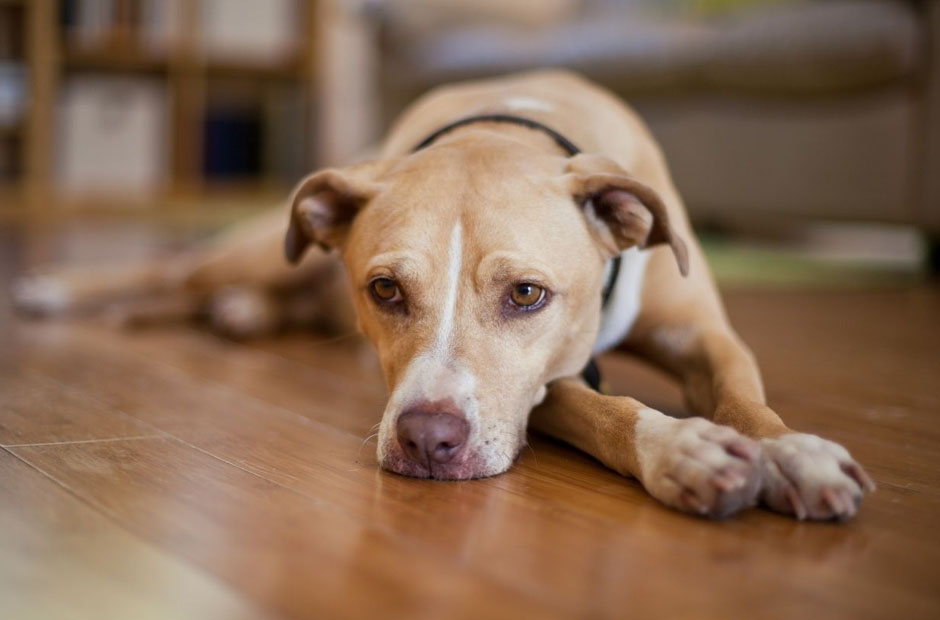
Dogs slowing down is common, especially as they get older. A dog who used to race around the yard may start sleeping more, moving a little slower, or showing less interest in long walks. That part can be completely normal.
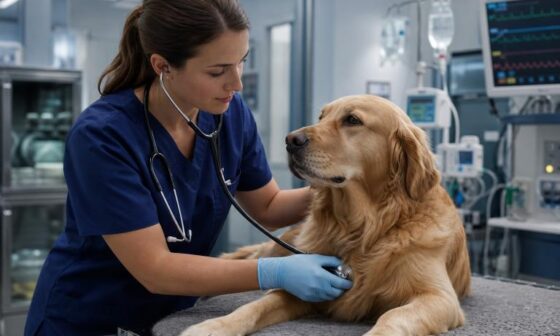
At the same time, not every slowdown should be brushed off as age. Small changes in energy, appetite, mobility, or behavior can sometimes point to pain or an underlying health issue. If you are unsure whether what you are seeing is normal, having a Smyrna vet take a closer look can help rule out anything more serious early on. This guide will help you tell the difference between normal aging and signs that may need more attention.
What “Normal Aging” Looks Like in Dogs
Aging does change how many dogs act and move. The key is that these changes are usually gradual, mild, and fairly consistent over time.
Slight Decrease in Energy
Older dogs often do not have the same nonstop energy they had when they were younger. They may still enjoy walks, playtime, and being around the family, but they usually pace themselves more. You might notice more naps during the day or less excitement for long activity sessions.
Slower Movement
It is also normal for some dogs to move a little slower as they age. They may take longer to stand up after resting, hesitate before jumping on furniture, or seem less eager to run up stairs. Mild stiffness can happen, especially first thing in the morning or after lying down for a while.
Mild Behavior Changes
Some older dogs become more routine-driven. They may prefer familiar spaces, quieter surroundings, or a more predictable daily schedule. You may also notice less interest in high-energy activity or stimulation than before.
Signs It Might Be Something More
The biggest difference between normal aging and a potential problem is how the change happens. Gradual is one thing. Sudden, worsening, or unusual is another.
Sudden or Noticeable Energy Drop
If your dog seems to lose energy quickly or suddenly acts unlike themselves, that is worth paying attention to. A dog who goes from active to unusually tired in a short period of time may not just be aging. When a dog seems off all at once, it is more concerning than a slow shift over months or years.
Changes in Appetite or Weight
A change in eating habits can be a clue that something else is going on. Some dogs eat less when they are in pain or not feeling well. Others may seem hungrier than usual due to certain medical conditions. Weight loss or gain without a clear reason also deserves attention.
Limping or Stiffness That Does Not Improve
Mild stiffness can happen with age, but limping, favoring one side, or stiffness that sticks around is different. If your dog looks uncomfortable after rest and does not loosen up, or if the problem keeps coming back, there may be more going on than normal wear and tear.
Behavioral Changes
Dogs often show discomfort through behavior before anything else. Irritability, withdrawal, pacing, restlessness, clinginess, or seeming less social can all be signs that they do not feel right. When behavior changes along with physical changes, it is easier to suspect something more than aging alone.
Common Conditions Behind “Slowing Down”
There are several common reasons a dog may start slowing down. This does not mean your dog has one of these conditions, but it helps to know what could be behind the change.
Arthritis or Joint Pain
Arthritis is one of the most common reasons older dogs become less active. Joint pain can make everyday things harder, from standing up to climbing stairs to going on longer walks. Dogs with joint pain may not always cry out, but they often show it through hesitation, stiffness, or reduced activity.
Thyroid Issues
Thyroid problems can affect energy levels, weight, and overall behavior. A dog with a thyroid issue may seem sluggish, gain weight, or just not seem like themselves. Because these changes can happen slowly, they are sometimes mistaken for aging.
Heart Conditions
Some heart-related problems can make dogs tire more easily. You may notice that your dog cannot handle exercise the way they used to, needs to stop and rest more often, or seems worn out after mild activity. Fatigue and reduced stamina can sometimes point in this direction.
Pain-Related Conditions
Slowing down can also be tied to pain from injury, inflammation, or internal problems. Dogs are good at hiding discomfort, so you may only notice indirect signs like sleeping more, avoiding movement, or acting less engaged. Sometimes the issue is obvious, and sometimes it is subtle.
When You Should Take It Seriously
Not every change is an emergency, but there are times when slowing down deserves more attention.
Timeline Matters
A gradual shift over time is more likely to line up with aging. A sudden change is harder to explain away. If your dog seems fine one week and very different the next, that is a stronger reason to look deeper.
Stacking Symptoms
One small change may not mean much by itself. But when several changes happen together, the picture starts to matter more. Less energy plus weight loss, or stiffness plus irritability, can tell you more than any one symptom on its own.
Trusting Your Instinct
Owners usually notice subtle changes first. You know your dog’s normal habits, energy, and personality better than anyone. If something feels off, even if you cannot fully explain it yet, that matters.
What You Can Do at Home First
You do not need to panic the moment your dog seems slower, but you also do not want to ignore patterns.
Track Changes
Start paying attention to the basics. Has your dog’s energy changed? Are they eating normally? Are they moving differently? Keeping simple notes can help you spot whether the issue is improving, staying the same, or getting worse.
Adjust Activity Levels
If your dog seems slower or stiff, it makes sense to ease up a bit. Shorter walks, less jumping, and lower-impact activity may help while you monitor what is going on. That does not mean stopping movement completely, but it does mean not pushing them through discomfort.
Monitor Patterns
Look at whether the change is happening every day or only once in a while. Does your dog seem stiff only after long naps, or all the time? Is the lower energy tied to hot weather or increased activity, or is it becoming their new normal? Patterns can help you decide when it is time to get help.
When to Have Your Dog Evaluated
It is a good idea to have your dog checked if the symptoms last more than a few days, seem to be getting worse, or are happening along with other changes like appetite loss, weight changes, limping, or unusual behavior. It is also worth scheduling an evaluation when something just does not seem right, even if the signs are subtle.
Conclusion
Not every slowdown is serious. Many dogs naturally change as they age, and a little less energy or slower movement does not always mean something is wrong. Still, early attention matters when the change feels sudden, unusual, or paired with other symptoms.
The goal is not to overreact. It is to notice patterns, trust what you are seeing, and act before a small issue becomes a bigger one. When in doubt, having a Smyrna vet evaluate these changes can give you clarity and help you make the right call for your dog.