Key Takeaways
- Presidential actions often prompt legal scrutiny, leading to court decisions that define the limits of executive power.
- Historic court rulings play a crucial role in shaping future interpretations of presidential authority.
- Modern litigation underscores the continuing tension between executive initiatives and judicial oversight.
Presidential actions are frequently the subject of legal challenges, sparking court cases that profoundly influence the balance of power in the United States. These lawsuits not only determine the fate of executive orders and directives but also set enduring precedents on the reach of the presidency. The scrutiny surrounding recent administrations highlights how legal battles serve as an ongoing dialogue between the branches of government. For anyone interested in tracking these developments, LDF’s Trump Administration lawsuit tracker offers a comprehensive resource on the lawsuits filed in response to presidential actions.
Understanding the historical context and legal ramifications of presidential lawsuits sheds light on the ever-evolving nature of executive authority. Each landmark case reflects the push-and-pull between the executive office and other governmental institutions. This article explores key moments in which legal challenges have shaped presidential powers and examines how the courts serve as an essential check on the Oval Office.
Historical Context of Presidential Lawsuits
The history of the United States is filled with moments where the legality of presidential decisions was hotly contested in court. As early as George Washington’s presidency, disputes arose over the separation of powers and executive privilege. Landmark Supreme Court cases, such as United States v. Nixon in 1974, forced the release of White House tapes and affirmed that no president is above the law. These historical events underscore that while the president wields significant power, the judiciary retains the authority to interpret the U.S. Constitution and enforce its principles.
Legal challenges often arise during national crises, when executive actions can stretch established boundaries. During World War II, the case of Korematsu v. United States debated the constitutionality of internment orders. In times of war, peace, or political upheaval, courts have played a defining role in checking presidential authority and clarifying the limits set by the Constitution.
Many of these historic cases continue to inform the legal arguments brought against more recent presidents, showing how judicial precedents create a roadmap for analyzing and contesting presidential power.
Notable Legal Challenges in Recent Administrations
Contemporary presidencies have faced a marked increase in legal pushback. For example, President Trump’s administration became a focal point for such litigation, with over 400 lawsuits filed against executive orders and actions. These cases ranged from challenges to immigration bans to disputes over environmental regulations, reflecting the wide-reaching nature of presidential decisions and the willingness of individuals, organizations, and states to contest them in federal court. This pattern signals both heightened political polarization and increased reliance on the judicial branch to adjudicate executive disputes.
Other recent administrations, including those of Presidents Obama and Biden, have likewise encountered numerous legal challenges. For instance, lawsuits over health care, environmental protections, and immigration policies frequently make headlines and have significant policy consequences. In the case of the Obama administration, litigation over the Affordable Care Act led to major Supreme Court decisions that ultimately shaped the U.S. health care system and clarified the executive branch’s power. Similarly, President Biden’s executive actions on climate policy and student loan forgiveness have been subjected to court reviews, illustrating how the cycle of legal challenge and judicial response continues to play out.
The Role of the Judiciary in Presidential Lawsuits
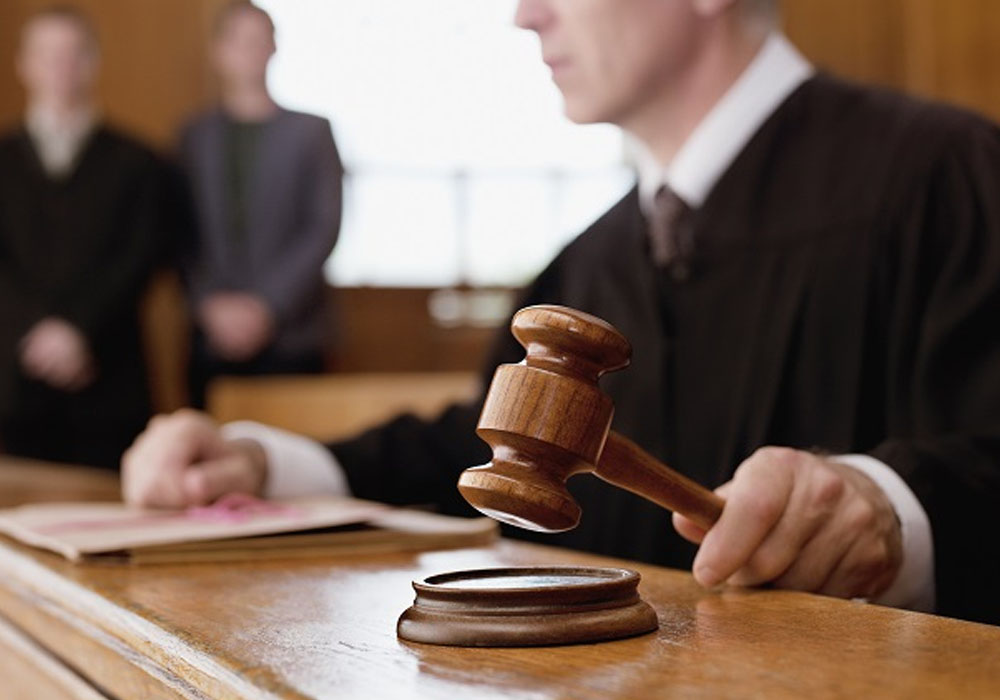
The judiciary acts as a fundamental check on executive actions, ensuring that presidential decisions conform to constitutional boundaries. When legal challenges are brought before the courts, judges assess whether the president has overstepped legal or constitutional limits. Notable rulings, such as those that restrict travel bans or strike down unlawful directives, can immediately alter the course of national policy. The courts’ ability to issue injunctions or rule on the constitutionality of executive orders cements their status as a coequal branch empowered to shape government actions.
The process of judicial review also enhances transparency and accountability within the executive branch. Public court proceedings and written opinions detail the court’s reasoning, helping to expose overreaches or ambiguities in presidential authority. As a result, not only do these lawsuits resolve immediate disputes, but they also provide guidance and warnings to future administrations about the boundaries of permitted conduct under the Constitution.
Impact of Legal Challenges on Executive Authority
The ripple effects of legal challenges on the presidency are far-reaching. Court decisions can halt implementation, force amendments, or validate disputed executive actions. For instance, the Supreme Court’s 2016 decision blocking the Deferred Action for Parents of Americans (DAPA) program during the Obama administration limited the executive’s approach to immigration reform. Conversely, favorable rulings can solidify presidential authority in contested areas. These outcomes influence not just the immediate administration but also the lasting perception of executive reach, providing frameworks future presidents must consider.
Additionally, the visibility of these legal battles fuels public discussion and scholarly debate on the appropriate scope of executive power. When courts rule on high-profile cases, such as national security measures or broad regulatory changes, the decisions often resonate beyond legal circles, shaping media narratives and public expectations. This widespread attention ensures that the boundaries of presidential power remain a central issue in American democracy, with each case contributing to a living body of law that defines the office’s future possibilities.
Recent Developments in Presidential Legal Challenges
Recent developments have sparked new debates over the boundaries of executive power. The Justice Department’s recent questioning of the constitutionality of the Presidential Records Act brought the limits of presidential document preservation into the spotlight. Enacted in the aftermath of Watergate to safeguard transparency, the law remains a flashpoint in discussions about congressional oversight and executive privilege. This kind of challenge illustrates both the complexity and the high stakes of defining the scope of executive authority in a changing political environment.
As political landscapes evolve and technological developments introduce new forms of executive action, courts are likely to encounter novel questions regarding digital records, cybersecurity, and emergency powers. Recent questions about the reach of executive orders during public health crises, such as those prompted by the COVID-19 pandemic, illustrate how current events drive constant reassessment of the legal limits of presidential power. The outcomes of these cases will likely inform legislative reforms and influence the conduct of future administrations.
Conclusion
Legal challenges to presidential actions represent a fundamental mechanism for maintaining checks and balances in the American political system. Through historic and modern court cases, the judiciary continues to assert its role as the arbiter of constitutional boundaries, shaping what presidents can and cannot do. As legal battles evolve, with new issues arising from changes in policy and political climate, the outcomes of these court challenges will remain central in determining the true extent of presidential authority.