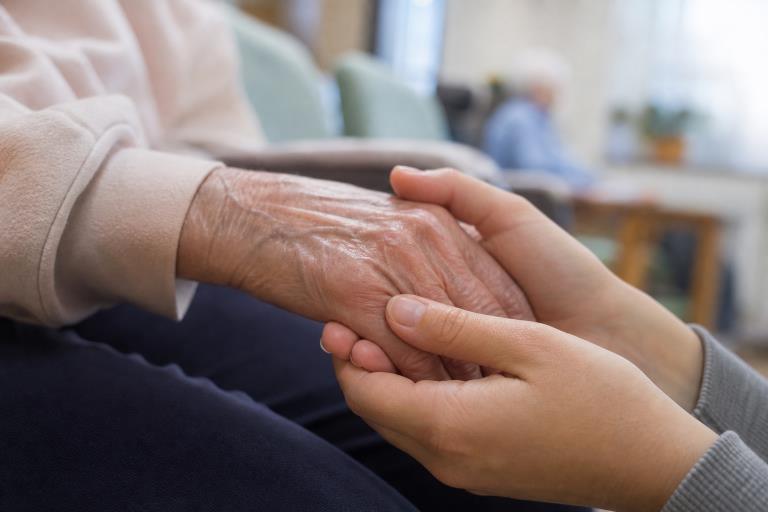
Families place loved ones in Utah nursing homes with the expectation that they will receive attentive care, dignity, and protection. When something feels wrong, it is important to take concerns seriously. Sudden injuries, deteriorating hygiene, unexplained fear, or a sharp decline in health may indicate a problem that warrants prompt attention. A personal injury lawyer near me search may be one way families begin exploring their options after an incident, but protecting the resident’s immediate health and safety comes first.
Whether a loved one lives along the Wasatch Front, in southern Utah, or in a smaller rural community, families can play an essential role by visiting regularly, asking direct questions, and documenting concerns. Abuse and neglect can be difficult to recognize because residents may have memory loss, communication limitations, fear of retaliation, or medical conditions that make new symptoms seem less obvious.
Understanding Nursing Home Abuse and Neglect
Nursing home abuse may involve intentional physical, emotional, sexual, or financial harm. Neglect is different, but it can be equally dangerous. It may occur when a facility or caregiver fails to provide needed supervision, hygiene, nutrition, medication assistance, repositioning, mobility support, or timely medical attention.
Not every injury or medical decline proves mistreatment. Older adults can experience falls, infections, skin breakdown, and changing care needs even in well-run facilities. Still, a family should not accept vague explanations when a resident has repeated injuries, untreated symptoms, missing personal property, or a condition that appears inconsistent with the care plan.
Warning Signs Families Should Watch For
Physical and Medical Changes
- Bruises, cuts, burns, fractures, or injuries without a clear and consistent explanation.
- Pressure injuries, including bed sores, are especially problematic when they worsen or appear untreated.
- Noticeable dehydration, weight loss, missed meals, poor hygiene, or soiled clothing or bedding.
- Frequent falls, repeated infections, medication concerns, or a sudden decline in mobility.
- Delays in notifying the family about a fall, injury, hospitalization, or substantial change in condition.
Emotional and Environmental Clues
- A resident who becomes withdrawn, fearful, depressed, unusually agitated, or reluctant to speak around certain staff members.
- Staff who discourage visits, refuse reasonable questions, or give changing explanations.
- Call lights that go unanswered, residents left unattended, or an apparent lack of staff during visits.
- Missing money, jewelry, bank cards, clothing, dentures, glasses, or other personal belongings.
One warning sign may have an innocent explanation. A pattern is more concerning. For example, a resident who repeatedly says they are thirsty, has dry skin, and loses weight may need a careful review of hydration, nutrition, staffing, and medical records.
What to Do When You Suspect Harm
If the resident appears to be in immediate danger, has a serious injury, or needs emergency medical treatment, call 911. If possible, remain calm and focus on obtaining medical attention rather than confronting a suspected caregiver in a way that could compromise safety or an investigation.
- Speak privately with your loved one, using simple and non-leading questions.
- Ask the charge nurse or administrator what happened, when it happened, who was present, and what treatment was provided.
- Request that the facility assess the resident and document the concern in the care record.
- Consider an independent medical evaluation when the injury, infection, medication issue, or decline is serious or unexplained.
- Ask about a safety plan, including increased observation, a care-plan meeting, or reassignment away from a staff member when appropriate.
How to Preserve Useful Information
Good documentation can protect the resident and make later conversations more accurate. Create a written timeline that includes dates, times, staff names, symptoms, explanations provided, and actions taken. Write down what the resident says as closely as possible, while noting the date and circumstances of the conversation.
When lawful and appropriate, photograph visible injuries, clothing conditions, room conditions, and personal property concerns. Save original images rather than editing them. Keep copies of hospital discharge papers, care-plan materials, billing records, medication lists, incident reports you receive, and emails with the facility. Do not alter documents or secretly remove original facility records.
Legal Rights of Utah Nursing Home Residents
Residents retain important rights to respectful care, privacy, communication, participation in care decisions, and freedom from abuse and neglect. A resident, or an authorized representative when applicable, can raise concerns about care, request information, and seek help without accepting intimidation or retaliation.
Families should also understand that a nursing facility’s internal explanation is not the final word. A resident may have rights under facility agreements, state licensing requirements, federal nursing home standards, and general civil laws. The specific options depend on the facts, the resident’s medical condition, the records available, and who may be legally authorized to act for the resident.
Reporting Concerns in Utah
Utah directs people who have reason to believe a vulnerable adult is being abused, neglected, or exploited to report the concern promptly to Adult Protective Services or law enforcement. The state’s Adult Protective Services guidance outlines reporting options and emphasizes calling 911 in an emergency.
For concerns involving a current resident of a nursing home or assisted living facility, families may also contact the Utah Long-Term Care Ombudsman program. Ombudsmen advocate for residents and may help address complaints involving quality of care, rights, communication, or facility practices. Reporting a concern can be important even if the family later moves the resident, because it may help identify risks affecting other residents.
When Legal Guidance May Help
Legal guidance may be useful when a resident suffers a serious injury, wrongful death, pressure injury, repeated fall, medication error, suspected assault, unexplained financial loss, or avoidable hospitalization. It can also be valuable when a facility will not provide clear information, when records appear incomplete, or when family members disagree about what occurred.
A qualified Utah attorney can evaluate records, identify potential responsible parties, explain available claims, and discuss any applicable deadlines. Families should avoid waiting too long to ask questions because memories fade, video footage may be overwritten, and important records can become harder to locate.
Helping Prevent Future Neglect
Regular involvement remains one of the strongest safeguards. Visit at different times, learn caregivers’ names, attend care plan meetings, and keep a list of medications and baseline health information. Encourage the resident to share concerns, and watch whether staff respond respectfully when questions are raised.
Families do not need proof of abuse before acting on a credible concern. A careful response, timely medical attention, accurate documentation, and a report to the proper authority can help protect a vulnerable loved one and preserve their right to safe, dignified care.