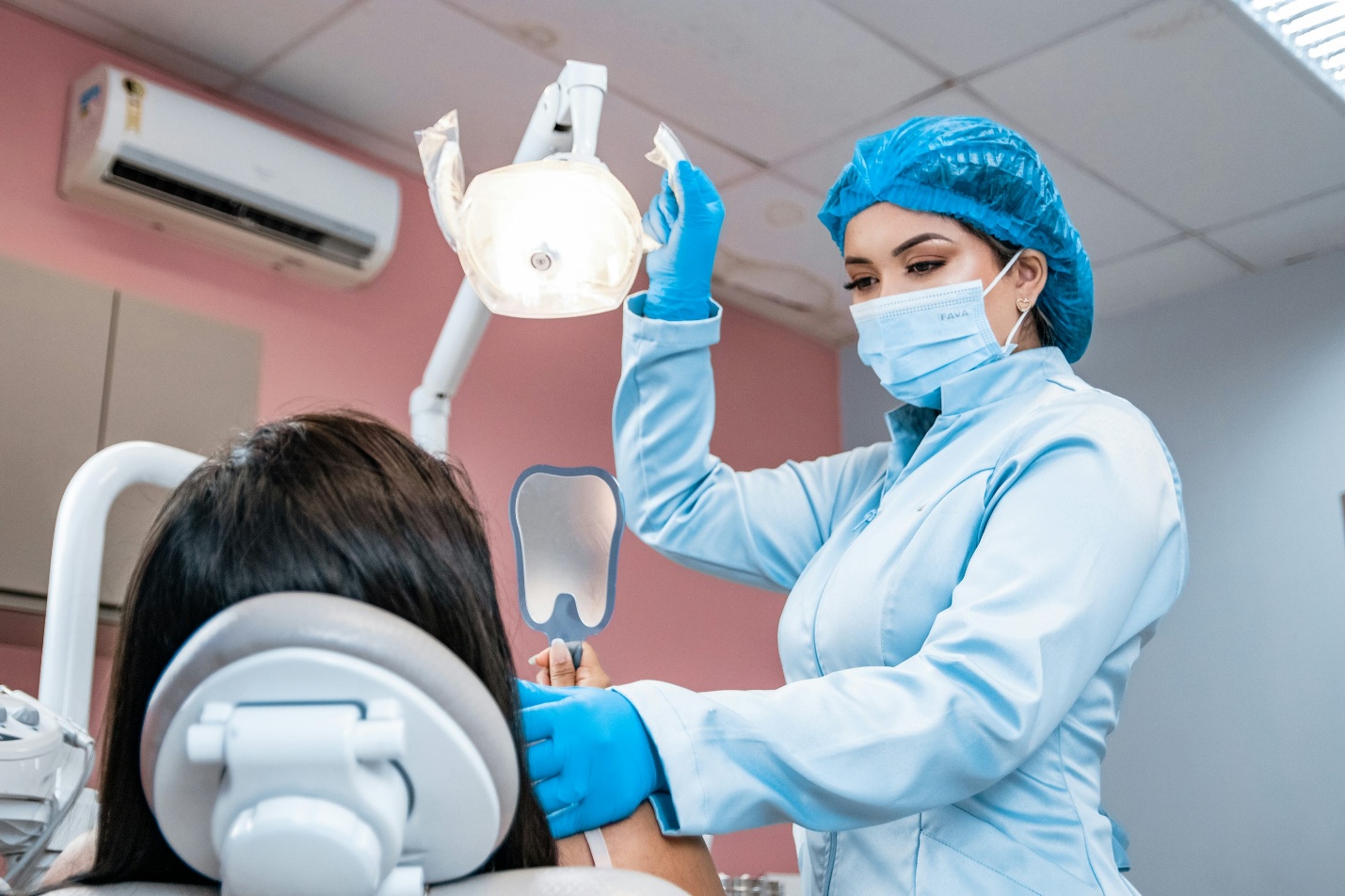
Oral health deserves daily attention because it shapes comfort, confidence, and overall well-being. Healthy teeth allow you to enjoy meals without sensitivity. Strong gums protect the structures that hold each tooth in place. Fresh breath supports social ease and professional interactions. Daily dental care is not a cosmetic luxury. It is a basic part of maintaining long-term health.
Many people assume brushing alone is enough. Others wait for discomfort before scheduling an appointment. These habits often lead to preventable complications. Clear and consistent routines help reduce the risk of cavities, gum disease, and costly procedures. Education plays a major role in prevention. Across Canada, dental awareness continues to grow, yet common oral health issues remain widespread. Preventive care programs and expanding coverage have improved access, but daily habits still determine outcomes.
Foundations of a Strong Daily Oral Hygiene Routine
Consistency forms the backbone of good oral health. Brushing twice a day with fluoride toothpaste helps remove plaque and strengthen enamel. Gentle circular motions clean the surface of each tooth while protecting the gumline.
A soft-bristled toothbrush works well for most people because it cleans effectively without causing unnecessary abrasion. Two full minutes of brushing allows enough time to reach every quadrant of the mouth. Many people rush the process and miss hard-to-reach areas.
Understanding Cavities, Gum Disease, and Treatment Costs
Tooth decay develops gradually. Bacteria in the mouth feed on sugars and release acids that weaken enamel. Early stages rarely cause noticeable symptoms, so small cavities may only be detected during a professional exam. Gum disease follows a similar pattern, often beginning with mild redness or bleeding that many people overlook.
When left untreated, decay can progress deeper into the tooth, affecting the pulp and leading to infection. As the condition worsens, treatment becomes more complex and significantly more expensive. A standard root canal cost in Canada typically ranges between $700 and $1,500, depending on tooth location and severity. This makes early detection and consistent oral care essential for avoiding unnecessary procedures and costs.
Role of Nutrition in Protecting Teeth and Gums
Food choices influence oral health throughout the day. Sugary snacks and acidic drinks create an environment where bacteria thrive. Frequent exposure to these substances weakens enamel and increases the likelihood of decay. Sipping sweetened beverages over long periods extends acid exposure and raises risk.
Crunchy vegetables and fresh fruits stimulate saliva production, which helps neutralize acids. Dairy products supply calcium and phosphates that support enamel strength. Lean proteins and whole grains contribute to overall gum health through proper nutrient intake. Water remains one of the simplest protective tools. Drinking water after meals helps rinse away food particles and maintain hydration. Thoughtful eating habits strengthen the effects of brushing and flossing, creating a more balanced oral environment.
Importance of Regular Dental Checkups
Professional care plays a critical role in prevention. Dental cleanings remove tartar that cannot be eliminated with brushing alone. Hygienists also polish teeth to reduce surface stains and plaque retention.
Exams allow dentists to detect early signs of decay, gum disease, enamel wear, and other concerns. Early intervention often means simpler and less invasive treatment. Routine visits also include screenings that assess overall oral health beyond cavities. Most individuals benefit from checkups every six months, though schedules may vary depending on personal risk factors. Keeping appointments consistent supports long-term stability and reduces unexpected complications.
Choosing the Right Dental Products
Selecting effective dental products strengthens daily routines. Fluoride toothpaste remains essential for cavity prevention. Individuals with sensitivity may benefit from specialized formulas that calm exposed dentin and reduce discomfort.
Electric toothbrushes offer built-in timers and consistent motion, which can improve technique. Manual brushes remain effective when used properly. Replacing toothbrushes every three to four months ensures optimal performance. Floss options include traditional string, floss picks, and water flossers. Comfort and ease of use influence consistency more than brand selection. Choosing products that fit your preferences increases the likelihood of maintaining strong daily habits.
Addressing Bad Breath and Dry Mouth
Fresh breath reflects a healthy oral environment. Persistent odor usually signals bacterial buildup on the tongue, along the gumline, or between teeth. Careful brushing of the tongue removes a major source of odor-causing bacteria. Flossing also plays an important role, since trapped food particles contribute to unpleasant smells as they break down.
Hydration supports saliva production, which naturally cleans the mouth and neutralizes acids. Saliva acts as a protective barrier against decay. Reduced saliva flow often leads to dry mouth, a condition that increases the risk of cavities and gum irritation. Certain medications, stress, and underlying health conditions can contribute to this issue.
Oral Health at Different Life Stages
Dental needs shift over time, yet the core principles remain steady. Children benefit from early education and supervised brushing. Establishing positive habits during childhood lowers the risk of decay and builds confidence around dental visits. Sealants and fluoride treatments provide added protection during cavity-prone years.
Teenagers and adults often face new challenges. Orthodontic appliances require careful cleaning to prevent plaque buildup. Stress can lead to teeth grinding, which gradually wears down enamel and strains the jaw. Custom night guards offer protection and reduce long-term damage.
Breaking Common Myths About Dental Care
Misinformation often interferes with effective oral care. One common belief suggests that brushing harder leads to cleaner teeth. Excess pressure actually damages enamel and irritates gum tissue. Gentle technique paired with thorough coverage produces better results.
Another misconception assumes that pain is the first warning sign of trouble. Many dental problems develop silently. Cavities and gum disease often progress without discomfort in the early stages. Routine exams remain essential for identifying concerns before they escalate.
Daily dental care rests on practical habits and informed decisions. Brushing, flossing, balanced nutrition, and regular checkups form a dependable foundation. Each element supports the next, creating a system that protects both teeth and gums.
Preventive care saves time, reduces stress, and limits the need for complex procedures. Small actions performed consistently deliver meaningful results over time. A healthy smile reflects steady effort rather than quick fixes. Commitment to daily care strengthens overall well-being and preserves confidence. Clear routines and professional support make long-term oral health an achievable goal for everyone.