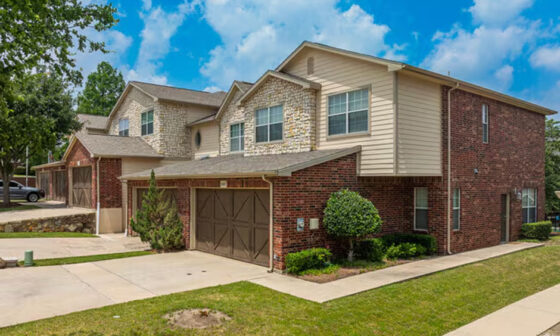
Whether you are considering an older Colonial, a townhome near a busy commuter corridor, or a recently built property, a professional home inspection in Fairfax, VA can reveal conditions that are easy to overlook during a short showing. It creates a clearer record of visible defects, maintenance needs, and areas that may need further evaluation.
Fairfax homes experience seasonal rain, humid summers, freezing temperatures, mature landscaping, and a wide range of construction ages. Those local conditions make drainage, moisture control, roofing, exterior materials, and basement or crawl-space conditions especially important when a property is changing hands.
Why Home Inspections Matter
An inspection helps buyers make informed decisions before an inspection contingency expires. It does not replace an appraisal, municipal code inspection, insurance review, or contractor estimate. Instead, it documents accessible and visible conditions so the parties can decide whether to request repairs, seek a credit, obtain specialist advice, or move forward as planned.
Inspection pricing and appointment length vary with square footage, age, accessible areas, and added services such as radon testing or a sewer camera scope. Ask in advance what is included, what is excluded, and whether the inspector will provide photos and a written report.
What to Do Before the Inspection
- Read the purchase agreement and confirm the inspection deadline.
- Ask whether the attic, crawl space, roof, electrical panel, HVAC equipment, and water heater can be accessed.
- Bring a short list of concerns noticed during the showing, such as stains, odors, cracks, or slow drains.
- Request available permits, warranties, repair invoices, and maintenance records.
- Plan to attend the final walkthrough with the inspector, when possible, so you can see significant findings in person.
The Core Home Inspection Checklist
Site, Drainage, and Exterior
Start outside. Look for grading that carries water away from the foundation, functioning gutters and downspouts, erosion, standing water, damaged walkways, and deteriorated retaining walls. Fairfax County notes that private systems such as downspouts and driveway culverts are generally the owner’s responsibility, making worth understanding before closing.
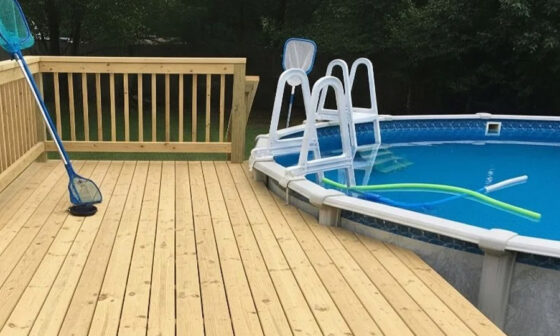
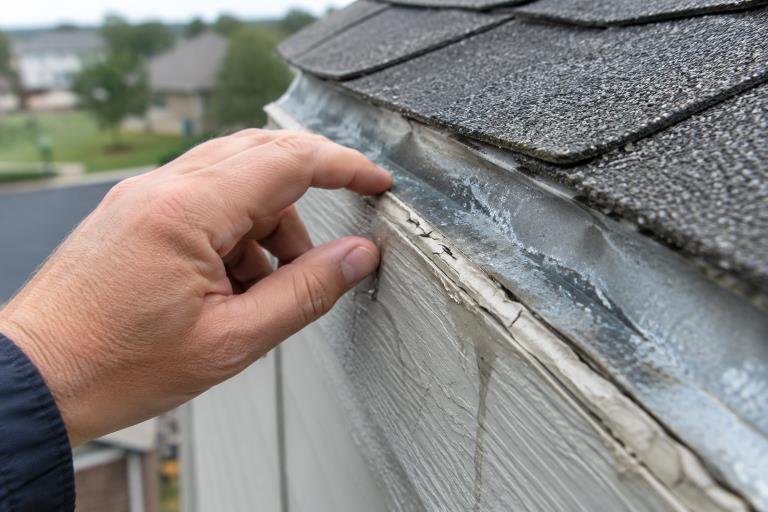
The exterior review should also cover roof coverings, flashing, vents, siding, brick, trim, windows, doors, decks, porches, and railings. Loose materials, decayed wood, failed caulking, or damaged flashing may allow water into the building envelope.
Foundation, Structure, and Interior
Inspectors look for visible cracking, uneven floors, moisture, movement, and signs of settlement. A crack does not automatically mean structural failure, but a pattern of widening cracks, bowing walls, or noticeable movement may justify an opinion from a structural engineer or qualified contractor.
Inside, review ceilings, walls, floors, stairs, doors, windows, cabinets, and built-in appliances. Pay attention to stains, damaged finishes, musty odors, poor ventilation, missing handrails, and windows that do not operate as expected.
Electrical, Plumbing, and HVAC
A standard inspection typically reviews accessible service panels, visible wiring, outlets, switches, grounding, and safety devices. Common concerns include exposed wiring, damaged covers, missing GFCI protection where appropriate, and improper connections. Inspectors generally do not dismantle equipment or perform the depth of testing an electrician would provide.
For plumbing, check visible supply and drain lines, fixtures, shutoff valves, water pressure, water heater condition, and evidence of leakage. Older homes, large trees, recurring drain problems, or evidence of prior backups can make a sewer scope a sensible add-on.
Heating and cooling reviews should include visible equipment condition, basic operation, filters, ducts, exhaust venting, condensate drainage, and temperature response. A system can operate during an inspection yet still benefit from a separate HVAC service evaluation when its age, noise, maintenance history, or performance raises questions.
When to Order Specialty Tests
Specialty services are not automatically included in every general inspection. They should be chosen based on the home, location, observed conditions, and buyer concerns.
- Radon testing: Fairfax County identifies elevated indoor radon as a local concern, and testing is the only way to determine a particular home’s level. The county explains why homes in Fairfax County are at high risk for indoor radon, even though results can differ between nearby properties.
- Mold evaluation: Consider professional assessment when there is visible growth, persistent musty odor, or a known history of leaks or flooding.
- Wood-destroying insect inspection: This can identify evidence of termites, wood damage, and moisture conditions that may attract pests.
- Well, septic, chimney, pool, roof, or structural reviews: Use a qualified specialist when the property has those features or the general inspection identifies a concern beyond its scope.
New-Construction Inspection Checkpoints
New construction can still have incomplete work, workmanship defects, and installation issues. A phased inspection may include a pre-drywall review of accessible framing, wiring, plumbing, ductwork, and insulation; a final inspection of finishes and operating systems; and a warranty inspection before builder coverage ends. Keep photos, punch-list items, and warranty communications organized from the beginning.
What Sellers Should Check Before Listing
Sellers can reduce surprises by addressing active leaks, clearing access to equipment and panels, replacing missing safety devices, and gathering maintenance records. Small problems, including loose railings, slow drains, damaged caulk, or missing covers, can create larger concerns when they appear together in an inspection report. A pre-listing inspection may be useful when a home is older, has deferred maintenance, or has a complex repair history.
How to Read the Inspection Report
Read the complete report, not just the summary. Start with safety hazards, active water intrusion, structural concerns, and major system failures. Then distinguish between an active defect, an aging component, a maintenance recommendation, and a cosmetic issue. Review limitations carefully, especially areas that were blocked, unsafe, inaccessible, or outside the inspection scope.
How to Sort Repairs by Priority
- Immediate safety issues: Electrical hazards, unsafe stairs or railings, combustion concerns, and potentially dangerous structural conditions.
- Active damage: Roof or plumbing leaks, drainage failures, moisture intrusion, and ongoing deterioration.
- Major system concerns: Defective HVAC equipment, significant electrical issues, water heater problems, or suspected structural movement.
- Routine maintenance: Caulking, filters, loose hardware, minor wear, and seasonal upkeep.