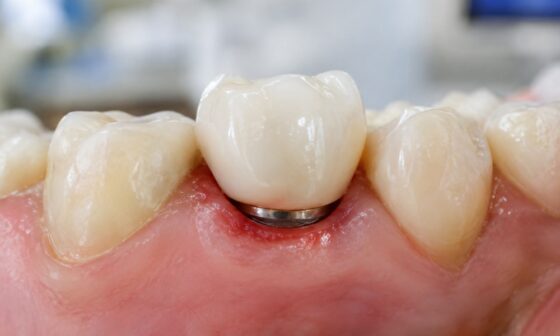
For many people in McLean, a cosmetic dental decision is less about creating a picture-perfect smile and more about looking refreshed, confident, and like themselves. Whether the concern is coffee-related staining, a chipped front tooth, uneven edges, or a small gap that becomes noticeable in photos, cosmetic dentistry in McLean, VA should begin with an individual conversation about health, function, and realistic goals. A naturally attractive result usually respects the details that already make a smile personal. Tooth shade, facial proportions, gum contours, speech, bite, and the way teeth show while smiling all matter. The right plan is not necessarily the largest change. It is the one that improves a specific concern while preserving comfort and healthy tooth structure.
Why Natural Results Matter More Than Perfect Smiles
Natural smiles are not completely identical from tooth to tooth. Small differences in shape, translucency, edge texture, and color can make teeth look believable. By contrast, teeth that are overly white, unusually uniform, or too square for a person’s face may draw attention for the wrong reasons. For example, someone preparing for professional events in Tysons or family celebrations may want to appear more rested in photographs without looking dramatically different. In that situation, a modest shade improvement, refined edge, or carefully placed bonding may be more appropriate than changing every visible tooth. The desired outcome should fit the person, not a trend.
Start With a Clear List of Smile Concerns
Before discussing procedures, identify what you would actually like to change. “I want a better smile” is understandable, but it does not tell a dentist whether the issue is color, shape, tooth position, damage, or a combination of concerns.
Common concerns to describe
- Yellowing, darkening, or uneven tooth color
- Small chips, worn edges, or irregular tooth length
- Mild gaps or crowding
- Teeth that look too short or disproportionate
- Older visible fillings, crowns, or veneers that no longer match
Reference photos can be useful when they show a general preference, such as softer tooth shapes or a less bright shade. They work best as a starting point, since your existing enamel, gum line, facial features, and bite determine what is suitable.
Put Oral Health Before Cosmetic Care
Cosmetic treatment should not cover up active problems. Cavities, gum inflammation, cracked teeth, enamel wear, and bite-related stress may need attention first. An evaluation may include photographs, X-rays when clinically appropriate, an examination of the gums and teeth, and a review of how the teeth meet when you bite. This foundation protects more than appearance. A cosmetic change should allow normal chewing, speaking, cleaning, and daily comfort. Routine checkups, brushing with fluoride toothpaste, and cleaning between teeth remain important even after a smile update.
Compare the Main Cosmetic Options
The following comparison can help clarify which type of treatment may fit a particular concern. A consultation is still necessary to determine whether an option is appropriate for an individual tooth and bite.
| Option | May Help With | Tooth Alteration | Planning Consideration |
| Whitening | Natural tooth discoloration | None to tooth shape | Existing restorations do not lighten |
| Bonding | Small chips, gaps, uneven edges | Often limited | May need repair or polishing over time |
| Veneers | Color, shape, proportion | Varies by case | Ask about preparation and replacement needs |
| Contouring | Minor edge irregularities | Small enamel reshaping | Only appropriate when enamel permits |
| Orthodontics | Crowding, spacing, tooth position | Does not reshape teeth | Retention is needed after alignment |
Crowns and other restorative options may be preferable when a tooth is already heavily filled, weak, fractured, or substantially worn. In those cases, cosmetic goals must be balanced with the need to protect the tooth.
Know What Whitening Can and Cannot Do
Whitening is often a conservative first step when natural teeth are darker or stained. It can address some external stains and certain internal discoloration, but results depend on the cause and severity of color change. According to the American Dental Association’s guidance on tooth whitening, whitening affects natural teeth, not tooth-colored restorations such as crowns, veneers, or composite fillings. Temporary sensitivity and gum irritation can occur. Whitening before replacing visible restorations may help with shade matching, but the timing should be discussed in advance to ensure the final colors look coordinated.
Ask How Much Tooth Structure Will Be Preserved
Ask whether each proposed treatment is reversible, minimally invasive, or permanent. Whitening and some bonding may involve little or no enamel removal, while contouring, veneers, and crowns can require changes to tooth structure. Preserving healthy enamel can keep more future options available, although the least invasive choice is not always the best clinical choice.
Use Digital Smile Planning as a Conversation Tool
Photographs, digital scans, models, and temporary mock-ups can help make a treatment plan easier to understand. They may show possible changes in length, shape, spacing, and shade. However, a screen image is a planning aid, not a promise. The final result must account for the bite, gum health, facial movement, and the condition of nearby teeth.
Consider Materials, Function, and Long-Term Care
Appearance is only one part of choosing a material. Strength, wear, repairability, cleaning needs, sensitivity, and contact with opposing teeth also matter. reflects the ongoing effort to make restorations stronger, longer-lasting, and better able to protect natural tooth structure. Ask how a proposed material may age, whether it can be repaired, and how it may interact with existing crowns, fillings, or night grinding. A night guard may be recommended for people who clench or grind their teeth.
Plan for Cost, Time, and Maintenance
Look beyond the initial treatment fee. Depending on the plan, costs may include diagnostic records, temporary restorations, laboratory work, follow-up appointments, repairs, or eventual replacement. Timelines also vary. Whitening may be relatively quick, while orthodontic treatment or a plan that starts with gum or restorative care may take longer.
Questions to Ask Before You Decide
- What is causing my concern: color, shape, position, damage, or several factors?
- Which option preserves the most healthy tooth structure?
- What alternatives should I consider before choosing a permanent treatment?
- Could this affect sensitivity, speech, chewing, or bite comfort?
- What maintenance, repair, or replacement might be needed later?
- Will insurance cover any portion of treatment that also restores function?
Build a Step-by-Step Decision Plan
- Write down the smile changes that matter most to you.
- Schedule an oral health and bite evaluation.
- Compare conservative options with more permanent alternatives.
- Review materials, risks, costs, expected maintenance, and timing.
- Request a mock-up or preview when it would help clarify the plan.
- Take time before beginning any treatment that cannot be easily reversed.
Conclusion
Choosing cosmetic dental treatment in McLean, Virginia, should be a thoughtful decision rather than a rush toward a uniform look. Patients should consider their oral health, personal preferences, budget, and the amount of maintenance involved before committing to a procedure. A dentist can assess the condition of the teeth and gums, discuss suitable options, and explain the expected results, limitations, and possible risks of each approach. Treatments such as whitening, bonding, veneers, or other cosmetic procedures may address different concerns, so the right choice depends on the changes a patient hopes to make. It is also important to consider how treatment may affect everyday activities, bite comfort, and long-term dental care. The most successful plans combine healthy gums and teeth with realistic goals, careful material selection, comfortable function, and a manageable maintenance routine. A smile can look brighter, smoother, and more balanced while still looking unmistakably like your own.