Key Takeaways
- A loose crown does not always mean the implant post has failed.
- Bleeding, swelling, drainage, pain while chewing, or new movement should be professionally evaluated.
- Implant problems may involve inflammation, bone loss, bite pressure, damaged components, or several factors at once.
- Treatment can range from cleaning and restoration repair to grafting, removal, or replacement.
- A failed implant does not necessarily rule out future implant treatment.
Dental implants are designed to provide stable tooth replacement, but the gums, supporting bone, bite, and visible restoration can change over time. For St. Louis residents who notice discomfort, bleeding, looseness, or a change in how an implant feels, early evaluation can help separate a repairable issue from a more serious complication. New You Smile is an implant-focused dental practice in St. Louis, Missouri, with a resource on dental implant failure repair that explains how failing implants may be assessed for concerns such as bite-related stress, infection, bone loss, removal, and possible replacement.
Weather changes, seasonal allergies, and everyday routines in the St. Louis area do not cause implant failure on their own, but they can make people more aware of tenderness or pressure in the mouth. Any new symptom is worth taking seriously, especially when it persists or becomes worse.
Why Dental Implants Can Change Over Time
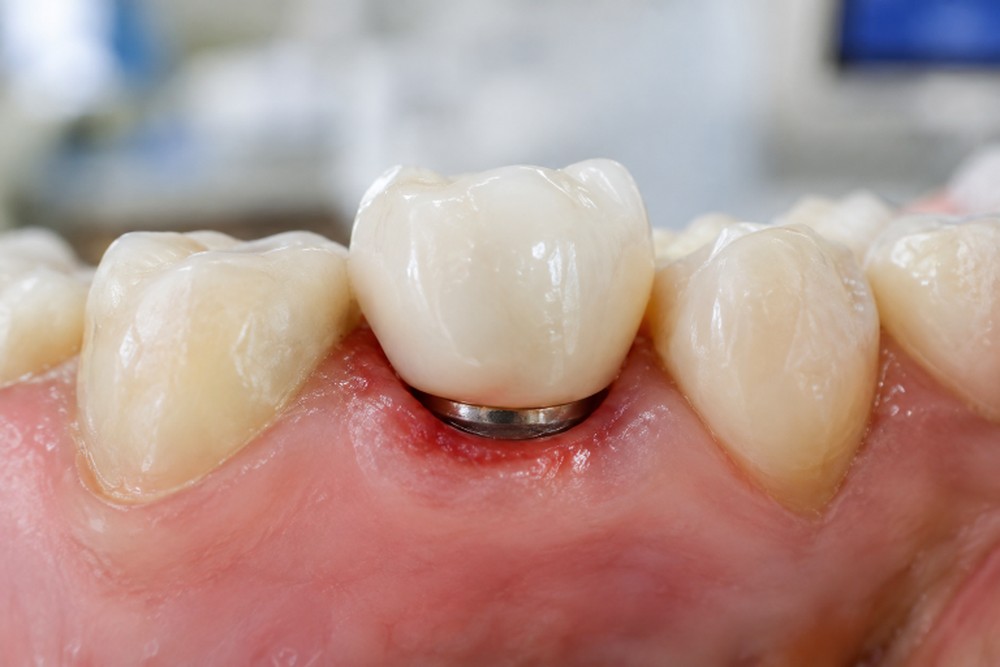
An implant system includes a post in the jawbone, a connector, and a crown or bridge above the gumline. Each part has a different role, so a change in one component does not automatically mean the entire system has failed. Problems may occur during healing, or years later as the bite, surrounding tissues, and restoration experience normal wear.
Warning Signs That Deserve Attention
Many concerns are treatable, but an implant should not be ignored simply because there is little pain. Inflammation around implants can progress quietly, and prompt care may help limit damage to the surrounding soft tissue and bone.
- Bleeding during brushing or cleaning around the implant
- Redness, swelling, tenderness, or gum recession
- A persistent bad taste, drainage, or unpleasant odor
- Pain, pressure, or a sudden uneven bite when chewing
- A chipped crown, cracked bridge, or visible change in the restoration
- Movement in the crown, bridge, or implant area
Facial swelling, fever, pus, or difficulty swallowing warrants urgent advice from a dental professional or appropriate emergency care provider.
Loose Crown or Failed Implant?
A moving crown can be alarming, but it may reflect a loose screw, a worn connector, or a damaged restoration rather than the loss of the implant itself. A clinician needs to identify exactly what is moving before recommending treatment.
- Crown movement with minimal gum discomfort: This may indicate a restoration or screw-related concern that could be repairable.
- Movement with pain or pressure: This may require closer testing of implant stability and supporting bone.
- Bleeding, swelling, or drainage: These findings may indicate inflammation or infection around the implant and warrant prompt care.
Common Causes Behind Implant Problems
Biological Factors
Inflammation around an implant, loss of supporting bone, incomplete integration during healing, and a history of gum disease can affect long-term stability. The same daily plaque control that supports natural teeth also matters around implant restorations. The National Institute of Dental and Craniofacial Research notes that swollen, red, or bleeding gums can be signs of gum disease and should be evaluated by a dentist.
Mechanical and Health Factors
Heavy bite force, teeth grinding, a fractured component, a misaligned bite, trauma, tobacco use, and poorly controlled health conditions can contribute to complications. These factors are not a reason for blame. They are clues that help a dentist create a more durable treatment plan.
What Happens During an Evaluation?
A thorough assessment commonly begins with a review of symptoms, medical history, healing history, tobacco use, grinding, and prior gum disease. The clinician may inspect the gums and restoration, test which part is moving, check the bite, and take X-rays or three-dimensional images when appropriate. This information helps determine whether the goal is maintenance, repair, infection control, removal, or replacement.
Treatment Options That May Be Considered
Care depends on the cause and severity of the issue. Options may include professional cleaning, improved home-care guidance, bite adjustment, repair or replacement of a crown or connector, treatment for peri-implant inflammation, bone grafting, or removal of an implant that cannot be predictably maintained. Antibiotics alone may not resolve a chronic problem when excess force, damaged hardware, or bone loss is also involved.
Finding the Right Care for Complex Cases
Complex cases may benefit from a clinician experienced in implant surgery, gum health, bone support, and restorative planning. Patients in St. Louis County and nearby communities can ask how the provider will identify the cause of the problem before treatment begins, what imaging is needed, and whether a second opinion would be useful.
Ways to Protect an Implant
- Brush twice daily with a soft-bristled toothbrush.
- Clean between teeth and around the implant using the method recommended by a dental professional.
- Attend routine maintenance visits and report bleeding or movement early.
- Use a night guard if grinding or clenching is present.
- Avoid biting hard nonfood objects or using teeth to open packages.
- Seek support for tobacco cessation and keep health conditions well managed.
Questions to Ask at an Appointment
- Is the concern with the crown, connector, or implant post?
- Is there inflammation or bone loss around the implant?
- What may have caused the problem, and what happens if I wait?
- Can the implant be treated, or does it need to be removed?
- What maintenance plan may reduce future risk?
Conclusion
A change in a dental implant does not always mean the entire treatment has failed. A timely, careful evaluation can distinguish a repairable restoration concern from a deeper biological or mechanical problem. With an accurate diagnosis and consistent maintenance, many patients can move forward with a clearer plan for oral health and function.