Key Takeaways
- Inspect the roof and attic before deciding between repair and replacement.
- Compare complete roofing systems, including shingles, flashing, underlayment, decking, ventilation, and gutters.
- Review permits, contractor credentials, warranties, and contracts before work begins.
- Compare written estimates line by line and plan for possible hidden decking damage.
- Consider weather, cleanup, household preparation, and final documentation when planning the project.
A roof replacement is a major home project, but good planning can make it far more manageable. Whether you are responding to a leak, visible wear, or an aging roof, professional roofing replacement starts with understanding the full scope of the work, not simply selecting a shingle color. The strongest plans account for materials, ventilation, drainage, permits, cleanup, warranties, and the possibility of hidden damage. Taking time to compare complete roof systems helps homeowners avoid rushed decisions and gives them a clearer basis for evaluating proposals.
Why Roof Replacement Planning Matters
A new roof is a system of connected parts. The shingles or panels are the visible layer, but flashing, underlayment, roof decking, ventilation, and gutters all affect how well the home handles water and weather. Early planning makes it easier to establish priorities, prepare a realistic budget, and document exactly what should be included before work begins.
Signs A Roof May Need Replacement
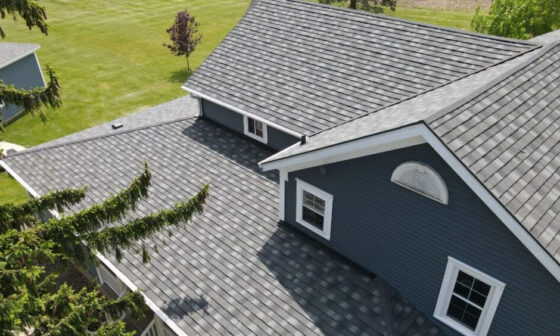
Individual missing shingles or a small flashing issue may be repairable. Broader warning signs can point to a larger problem: curled, cracked, loose, or repeatedly missing shingles; dark patches; significant granule loss; sagging areas; and recurring leaks. Water stains on ceilings, damp attic insulation, or visible daylight through the roof structure deserve prompt attention. Roof age is a useful context, but it is not the only deciding factor. The roof’s condition, past repairs, storm exposure, ventilation, and concealed moisture damage matter just as much. A careful evaluation can determine whether targeted repairs remain sensible or replacement is the better long-term choice.
Start With A Roof And Attic Inspection
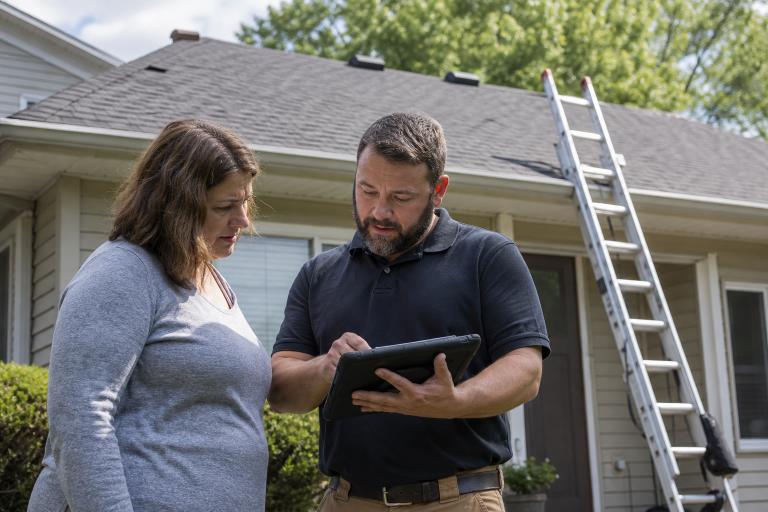
Before requesting final bids, arrange a detailed inspection that considers both the exterior roof and the attic. Ask for photos and written notes so recommendations are easy to understand and compare.
- Inspect roof surfaces, ridges, valleys, edges, and penetrations.
- Check flashing around chimneys, vents, skylights, and wall intersections.
- Look in the attic for soft decking, damp insulation, mold, stains, or daylight.
- Review gutters, downspouts, and drainage paths around the foundation.
- Identify any areas where damaged decking may need replacement.
A homeowner who understands the roof’s current condition can ask better questions and compare estimates with more confidence.
Compare Roofing Materials
Material selection should reflect the home’s design, roof pitch, structure, local weather, maintenance preferences, and budget. Common choices include:
- Asphalt shingles:Widely used, available in many styles and price ranges, and suitable for many residential roof designs.
- Metal roofing:Often selected for durability and long service life, with several panel and profile options.
- Wood products:Provide a traditional appearance but may require more ongoing upkeep.
- Tile or slate:Can be exceptionally durable, though their added weight and installation demands may increase project complexity.
If considering a heavier roofing material, ask whether the existing framing and structure can support it. Appearance matters, but performance and structural compatibility should come first.
Check Permits And Local Rules
Permit requirements vary by municipality and project scope, so verify local rules before scheduling work. Confirm who will apply for the permit, whether inspections are required, and whether material changes, solar equipment, historic-district rules, or structural repairs affect approval. Written contracts and contractor credentials are also important consumer protections, as noted in the Massachusetts homeowner contractor guidance. Keep copies of the permit, inspection records, final approval, contract, invoices, and warranty documents in one accessible place. These records can be valuable during a future sale, insurance claim, or warranty request.
Compare Estimates Line By Line
Two proposals with very different prices may not describe the same job. Request multiple written estimates, then compare the scope rather than assuming the lowest bid is the best value. Each estimate should clarify the roof area, tear-off layers, roofing material, underlayment, starter strips, ridge caps, drip edge, flashing, disposal, cleanup, taxes, permit fees, and artistry warranty. Pay particular attention to the allowance for damaged decking. Contractors cannot always see every issue until old roofing is removed, so the contract should explain how change orders are approved and priced.
Review The Full Roof System
A durable roof depends on more than its outer surface. Decking provides the base, underlayment adds a secondary moisture barrier, flashing seals vulnerable joints, and gutters direct water away from the home. Ventilation also deserves attention. Balanced airflow, combined with proper insulation and air sealing, can help control attic moisture and reduce conditions that contribute to winter ice buildup. Attic ventilation guidance from ENERGY STAR explains why soffit vents should remain clear and why airflow must have a path through the attic.
Plan Around Weather And Daily Life
Roofing schedules depend on safe conditions. Rain, strong wind, extreme temperatures, material delays, and unexpected repairs can shift the installation date. Ask how weather delays are handled, when the dumpster and materials will arrive, and whether the crew will secure the roof if work must pause. Prepare the household as well. Move vehicles from the driveway, protect fragile patio items, cover attic belongings if dust is a concern, and make arrangements for pets and children. For example, a family that clears its driveway the night before gives the delivery truck and debris container room to arrive, preventing a morning delay that could affect the entire crew’s schedule.
Complete A Final Walk-Through
When the work is complete, walk around the property with the contractor or project manager. Check visible roof edges, flashing, vents, gutters, landscaping, and cleanup. Ask for photos of areas that are difficult to see from the ground, then collect final paperwork and confirm who to contact if a warranty or repair question arises.
Common Roof Replacement Questions
How Long Does A Roof Replacement Take?
On-site work may take a day or several days, depending on the roof’s size, pitch, material, crew size, weather, and any hidden damage. The full process takes longer because inspection, permitting, material ordering, scheduling, and approval may happen before installation begins.
Can New Roofing Go Over Old Shingles?
An overlay may be allowed in some situations, but local rules, roof condition, material limitations, and manufacturer requirements can affect the decision. Removing old roofing can reveal damaged decking and other problems that would otherwise remain hidden.
Should Gutters Be Replaced At The Same Time?
Not always. Gutters may only need cleaning, resealing, or adjustment, but replacement may be appropriate if they are leaking, undersized, sagging, or poorly aligned with the new roof edge and drainage plan.
What Should A Roofing Contract Include?
- A detailed scope of work and listed materials.
- A payment schedule and change-order process.
- An estimated timeline and weather-delay plan.
- Cleanup, disposal, and property-protection expectations.
- Material and artistry warranty terms.
Final Thoughts
A well-planned roof replacement begins with a careful inspection and ends with complete documentation. Homeowners should evaluate the condition of the existing roof, understand the cause of damage, compare complete roofing systems, and request detailed estimates before work begins. Material quality, ventilation, flashing, drainage, warranties, local weather conditions, and installation practices can all affect the roof’s long-term performance. It is also important to confirm permits, clarify what is included in the contract, and understand how unexpected repairs will be handled if hidden damage is discovered. Before final payment, review the completed work, cleanup, warranties, and project records. By taking time to compare options and verify each stage, homeowners can make a sound investment that improves protection, reduces avoidable maintenance problems, and helps keep the home secure for years to come.