Professionals follow building codes during projects to prevent installation errors. Proper material selection, including aluminum, steel, and iron, determines load capacity, and geometric reinforcements prevent joint failures. Here are a few safety guidelines for metal fabrication:
Site Dimension Verification
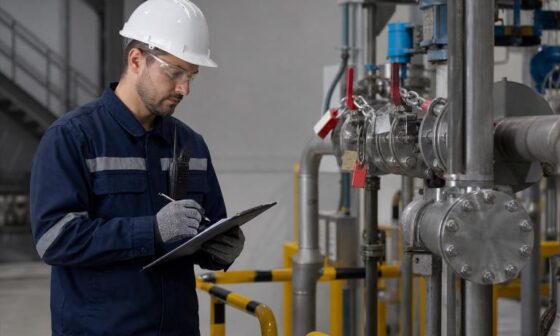
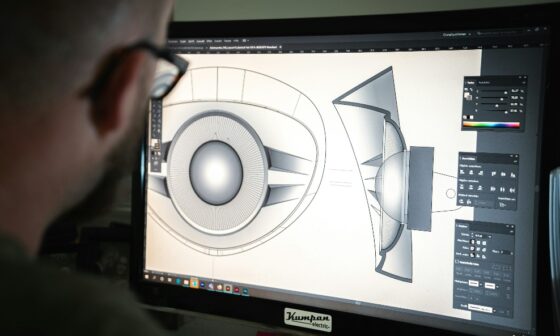
Experts are required to verify proper dimensions, as even a slight measurement error can compromise structural integrity. The measurements dictate how metal fabrication experts cut and shape raw materials. While design consultation lets clients choose custom shapes or patterns, these selections must match the property dimensions.
Verifying site dimensions before anchoring helps confirm the secure installation of structural additions. It helps align metal structures correctly, resulting in tight connections that keep the railing system rigid. Maintaining dimensional accuracy prevents architectural defects and improves a building’s safety.
Surface Levelling
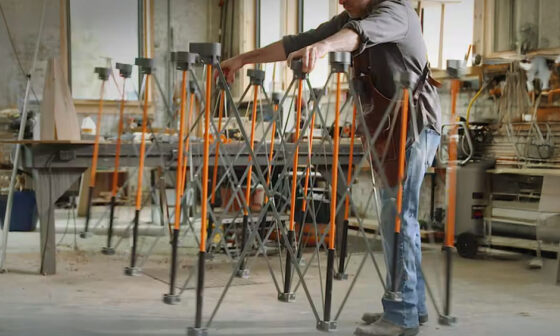
Level surfaces establish a stable foundation for heavy metal fabrications, helping distribute structural weight evenly across the floor. A metal fabricator verifies the mounting plane’s levelness before anchoring metalwork to avoid mechanical strain on the joints. They use these field practices to maintain foundational balance:
- Concrete footing inspection
- Alignment verification
- Mounting shim adjustment
Structural Anchor Inspection
Structural anchor reinforcement promotes safety by solidifying the connection between architectural components and a building’s foundation. When fabricators align a custom railing, they anchor the framework to keep the assembly rigid. Even with quality raw materials, structural performance depends on the anchor points.
Anchoring fasteners that match the host material’s density maximize the metalwork’s capacity. This matching process helps create a permanent bond. When contractors mount iron gates or staircases to masonry, they select expansion bolts that grip the masonry cavities.
Some fasteners offer standard hold, but reinforced anchors provide mechanical interlocking. As the hardware expands, it creates a uniform clamping force that resists pulling. Because safety guidelines require installations to withstand wear and lateral forces, high-tensile anchoring materials keep metalwork stable.
Anchor reinforcement enhances the performance of designs such as floating staircases and custom cable-and-glass railing systems. Because minimalist designs use fewer visible support posts, the primary anchors must carry a concentrated load. Reinforcing the support bases helps handle the tension on the structural elements.
Protective Coating Application
A specialized layer shields raw iron and aluminum from environmental degradation. A powder coating finish applied to a custom railing creates an outer barrier that seals the core metal against moisture. While a custom project is tailored to provide structural integrity, its long-term load-bearing capacity depends on protective coatings.
High-quality powder coating finishes maximize the framework’s impact resistance. The customized chemical treatment also creates a smooth handrail surface. When fabricators apply powder coatings to metal surfaces, they create a resilient layer that grips the welded joints tightly.
While standard paint offers basic color customization, a powder-coated finish delivers maximum structural utility. Because safety guidelines require installations to withstand friction and sun exposure, protective coatings help keep the metalwork structurally sound. Modern designs feature exposed metal components alongside glass panels; professional finishes protect the connections against uneven expansion and contraction.
Structural Welding Implementation
Welding fuses individual components into a single framework of immense load-bearing strength. When welders use thermal fusion techniques in metalwork, they reinforce the primary joints. Proper welding helps keep the assembly rigid under intense usage.
Explore Metal Fabrication Services
Architectural metalwork maintains structural integrity through specific manufacturing and installation standards. While individual projects vary, the execution of thermal fusing and powder coating treatments promotes structural integrity. Contact a metal fabrication company to learn about the services they offer.