Have you noticed how home prices in Ohio keep climbing, yet houses still sell fast the moment they look “move-in ready”? That is not luck. It is strategy. Home improvement is no longer just about comfort, since it is tied to resale value, energy costs, and even remote work trends. Some upgrades pay off, while others just drain your savings. In this blog, we will share smart home improvement projects that add value without wasting time or money.
Think Like a Buyer, Not Like a Decorator
The biggest mistake homeowners make is upgrading for personal taste instead of market value. A bright purple accent wall might feel “unique,” but buyers usually do not want unique. They want clean, functional, and easy to picture themselves living there. If your goal is adding value, your upgrades should focus on what makes a home easier to live in and cheaper to maintain.
Start by walking through your home as if you are seeing it for the first time. Look for signs of wear, outdated fixtures, and areas that feel cramped or poorly lit. In today’s market, people notice small details because they are already stressed about interest rates, closing costs, and rising insurance premiums. A home that looks well cared for feels safer to invest in.
Prioritize improvements that solve problems. Updated lighting, better storage, and smoother layouts often add more appeal than flashy design choices. If you are unsure what matters most, check local listings. The features that show up repeatedly in descriptions are the features buyers care about.
Protect the Home First Before Making It Look Pretty
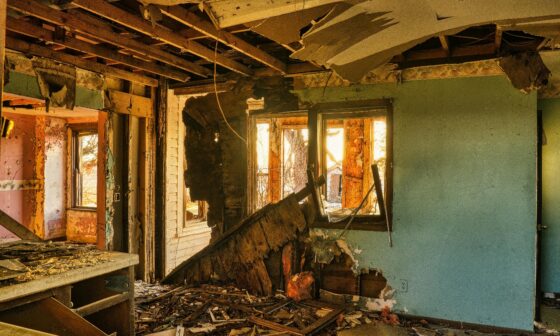
Before you spend money on cosmetic updates, handle the issues that can quietly destroy value. Buyers and inspectors pay close attention to pest damage, water leaks, and foundation concerns. A home can have brand-new floors and still lose value if it has hidden structural problems.
Start with sealing entry points around doors, windows, and utility openings. Rodents and insects take advantage of small gaps, and once they settle in, the cleanup costs can get ugly fast. If you’re looking for professionals who are skilled at pest control Newark has several experienced teams that can help protect your home before infestations become a long-term issue. Addressing this early keeps your home healthier and protects everything you upgrade later.
Next, inspect for moisture. Check under sinks, around toilets, near the water heater, and along basement walls. Even minor leaks can cause mold, wood rot, and long-term repair costs. If you spot stains, soft drywall, or peeling paint, treat it as a warning sign, not an “eventually” problem.
Roof and gutter maintenance also plays a role. Clean gutters, repaired shingles, and proper drainage improve curb appeal while preventing water damage. Buyers may not know the technical details, but they know what neglected maintenance looks like.
This is the boring part of home improvement, but boring projects often add the most value because they prevent expensive disasters.
Kitchen Updates That Add Value Without Full Remodeling
A full kitchen remodel can be expensive, and not every homeowner needs one. The smarter approach is updating key areas that create the biggest visual impact.
Start with cabinet hardware. Swapping old handles and knobs is inexpensive, yet it instantly modernizes the space. Next, consider repainting cabinets if they are in good condition. Neutral tones like white, soft gray, or warm beige tend to appeal to a wider range of buyers.
Countertops matter too, but you do not always need luxury stone to add value. Durable, clean-looking surfaces that match the overall style can make the kitchen feel updated without draining your budget.
Lighting is another major upgrade. Under-cabinet lighting and brighter overhead fixtures make the space feel larger and more functional. Since people now cook at home more often due to rising restaurant costs, buyers want kitchens that feel practical, not just stylish.
Appliance upgrades also help, but only if they match. A kitchen with one new appliance and three older ones looks unbalanced. If you cannot replace everything, choose upgrades that blend well and keep finishes consistent.
Bathroom Improvements That Make Buyers Pay Attention
Bathrooms influence buyers more than they admit. Even if someone loves the living room, they will remember a bathroom that looks outdated or poorly maintained.
Start with simple fixes. Replace old faucets, install a modern showerhead, and update towel bars and mirrors. These upgrades are affordable and instantly improve appearance.
If the bathroom has old caulk or stained grout, clean and re-caulk everything. It is not glamorous work, but it makes the space look cared for. Buyers notice cleanliness because it signals that the home has been maintained.
If you can invest more, replace the vanity and improve lighting. A brighter bathroom feels larger and cleaner. Choose neutral finishes and avoid trendy colors that may age quickly.
Ventilation is also key. Many older homes have weak bathroom fans, which leads to humidity issues. Installing a strong fan protects the space and adds a practical selling point.
Flooring and Paint That Create a Clean, Updated Look
Paint and flooring are two of the most powerful upgrades because they affect the entire home. They also influence how buyers perceive cleanliness.
Repaint walls in neutral tones. Avoid overly bright colors. Soft whites, warm grays, and light beige shades create a blank canvas that helps buyers imagine their own furniture in the space.
Flooring should feel consistent. If your home has multiple flooring types that clash, consider updating for a smoother look. Replacing worn carpet with durable vinyl plank or hardwood-style flooring can increase appeal and reduce buyer hesitation.
If you already have hardwood floors, refinishing them can add major value. Many buyers view hardwood as a premium feature, even if it is not brand new.
Lighting upgrades also matter here. Better lighting makes paint and flooring look more attractive, and it improves the overall feel of the home.
Choose Projects That Add Value Without Adding Regret
Smart home improvement is not about doing the most work. It is about doing the right work. Focus on projects that protect the home, improve function, and modernize key spaces. Kitchens, bathrooms, curb appeal, and energy efficiency upgrades tend to deliver strong returns, especially when they are done with consistency and restraint.
In today’s market, buyers are cautious but still willing to pay for homes that feel solid and updated. If your upgrades make the home easier to maintain, cheaper to run, and more comfortable to live in, you are not just improving your space. You are increasing its long-term value in a way that actually makes sense.