Key Takeaways
- The right visor depends on the activity, weather, fit, and how long it will be worn.
- Breathable materials and a comfortable sweatband matter during active or humid days.
- Brim shape affects shade, visibility, comfort, and overall style.
- A visor shades the eyes and upper face, but it is not complete sun protection.
- Cleaning and storing a visor correctly helps it stay comfortable and keep its shape.
A visor can be a practical choice when you want shade for your eyes and forehead without covering your entire head. Whether you are buying one for a team, a company outing, a fundraiser, or your personal routine, custom visors with your logo can combine practical sun protection with a coordinated look. The best option is not necessarily the one with the boldest color or widest brim. Think first about where you will wear it, how much you will move, how hot it may get, and whether you need it to stay comfortable for an hour or an entire afternoon.
Why Visors Work Well For Active Days
Visors shade the eyes and upper face while leaving the crown uncovered. That open design can feel cooler than a full cap during warm-weather activities, particularly for people who dislike trapped heat or have long hair. Comfort still depends on airflow, fabric weight, sweat management, and a band that does not rub against the forehead. They work well for tennis, golf, running, walking, beachside errands, charity races, outdoor festivals, and casual weekend wear. For example, a runner may prefer a lightweight, quick-drying visor for a morning workout, while someone spending all day near the water may choose a wider hat for more complete coverage.
Choose A Visor By Its Main Use
Your main activity should guide the purchase. A visor used for a quick neighborhood walk needs fewer performance features than one worn through a tournament, a humid outdoor event, or a long day of volunteer work.
- Running and training:Prioritize low weight, moisture control, secure adjustment, and an unobstructed view.
- Golf and tennis:Look for a stable brim that helps with glare and stays in place during repeated movement.
- Outdoor events:Choose soft materials and an easy closure for comfort over several hours.
- Everyday wear:Focus on a versatile color, a flattering profile, and fabric that feels good against the skin.
- Hot and humid weather:Favor quick-drying polyester, mesh details, and a sweatband that does not become heavy when damp.
Compare Materials And Breathability
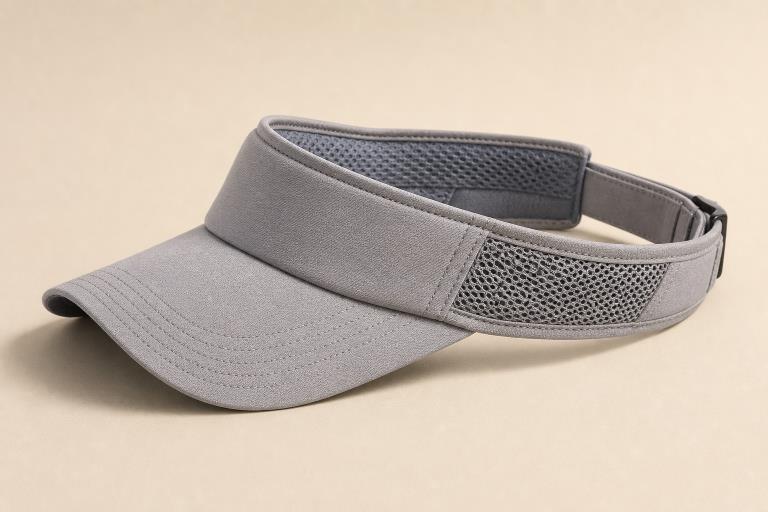
Material affects how a visor feels after an hour outdoors. Cotton feels soft and familiar, but it can hold moisture longer after heavy sweating. Polyester commonly dries faster, making it useful for exercise and humid conditions. Cotton blends can offer a middle ground between softness, durability, and faster drying. Mesh panels may improve airflow, while stretch fabrics can provide a closer fit without feeling restrictive. Check the fabric label, seams, sweatband, and care instructions before deciding. A lightweight visor is not automatically comfortable if the inner band feels rough or the brim sits too low in the line of sight.
Pick The Right Brim Shape
Brim shape affects both appearance and performance. A pre-curved brim offers a ready-to-wear profile and traditional look. A flat brim creates a sharper, more modern style and may appeal to people who prefer a casual athletic appearance.
- Shorter brimscan feel less noticeable while moving, but they generally provide less shade.
- Wider brimsmay offer more coverage, though they can feel heavier or affect peripheral vision.
- Curved brimscan help direct shade around the eye area.
- Flat brimsgive a distinct look but should still be tested for visibility and comfort.
Try the visor while walking, turning your head, and looking upward. It should help block glare without making it harder to see stairs, signs, a ball in play, or people nearby.
Check The Fit And Closure
A well-fitting visor stays in place without creating pressure around the forehead or back of the head. It should feel secure during normal movement, but headaches, numbness, deep marks, or a constant need to readjust are signs that the fit is too tight or poorly shaped for you.
- Measure around the area where the visor will sit.
- Review the listed size range before ordering.
- Select an adjustable closure when flexibility matters.
- Check for pressure points behind the head and around the temples.
- Bend, turn, and look down to make sure the visor remains stable.
Hook-and-loop straps offer quick adjustment, buckles provide a more precise fit, elastic bands feel simple, and snap closures can be durable. Adjustable styles are especially useful for group events, shared gear bags, and changing hairstyles.
Use A Visor As Part Of A Sun-Safety Plan
A visor can shade part of the face, but it leaves the scalp, ears, neck, and much of the face exposed. For longer periods in strong sunshine, pair it with sunscreen, sunglasses, protective clothing, and shade. The sun-protection habits recommended for outdoor activities include using broad-spectrum, water-resistant SPF 30 or higher and reapplying after sweating or swimming. Glare can be especially uncomfortable around water, snow, pavement, and light-colored surfaces. Wearing lenses that address reflected light can improve comfort, and the right lenses can protect your eyes from sun glare during bright outdoor conditions.
Care For A Visor After Outdoor Use
Regular care helps remove sweat, sunscreen, dirt, and oils before they build up in the band or seams. Read the label first, then spot-clean marks with mild soap, cool water, and a soft cloth or brush. Let the visor air-dry away from direct heat, and store it flat or on a hat form to protect the brim. Avoid hot dryers and leaving a structured visor in a hot vehicle. Excessive heat can warp the brim, weaken adhesives, and reduce the life of some closures.
A Simple Buying Checklist
- What activity will use the visor most often?
- How long will it be worn at one time?
- Will it face heat, sweat, wind, or rain?
- Does the fabric feel breathable and comfortable?
- Does the brim provide shade without blocking vision?
- Is the closure easy to adjust and secure?
- Can it be cleaned without losing its shape?
- Would a wider hat provide better coverage for the planned activity?
Common Questions About Visors
Are Visors Cooler Than Caps?
Visors may feel cooler because the crown of the head remains uncovered. Results vary based on airflow, humidity, material, and personal comfort preferences.
Are Visors Good For Running?
They can be a strong choice for running when they are lightweight, moisture-managing, adjustable, and stable. A full cap may be more practical in cold rain or highly exposed weather.
Can A Visor Protect The Face From The Sun?
It can shade the forehead and eyes, but it does not fully protect the ears, neck, scalp, or cheeks. Use sunscreen, sunglasses, shade, and protective clothing alongside it.
Should A Visor Be Tight?
No. It should be secure enough to stay put, yet comfortable enough that it does not cause pressure, headaches, or deep marks.
How Often Should A Visor Be Cleaned?
Clean it when sweat, sunscreen, odor, or visible dirt develops. Frequent workout use usually calls for more regular cleaning than occasional casual wear.
Conclusion
The right visor matches your activity, climate, fit preference, and amount of sun exposure. A breathable performance style may be best for exercise, while a softer, versatile design may suit everyday use. With the right brim, fabric, closure, care routine, and broader sun-safety habits, a visor can remain useful and comfortable throughout the year. Consider lightweight, moisture-managing materials if you expect to sweat, and choose an adjustable closure for a secure but comfortable fit. The brim should provide useful shade without interfering with your vision or movement. Regular cleaning can also help prevent sweat and dirt from affecting the fabric over time. Most importantly, treat a visor as one part of sun protection rather than a complete solution. Sunscreen, shade, hydration, and appropriate clothing can provide additional protection during long periods outdoors.