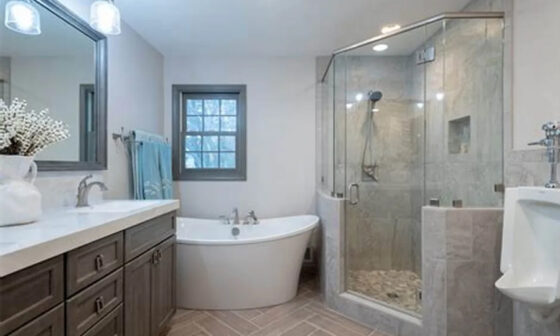
A shower remodel can make everyday routines more comfortable, safer, and easier to manage, but the best results begin well before tile samples and fixture finishes enter the picture. Start by thinking about how the shower works now, what causes frustration, and which upgrades would make the biggest difference. Homeowners exploring options can learn more about the remodeling process before committing to a particular layout or material.
Whether the goal is replacing a worn enclosure, improving accessibility, reducing cleaning time, or creating a more polished bathroom, careful planning helps prevent expensive changes later. A good shower design balances daily comfort, drainage, storage, ventilation, water use, and a budget that leaves room for the unexpected.
Why Careful Planning Matters
It is tempting to begin with a favorite tile color or a sleek glass door, but function should come first. Early decisions affect where water drains, where bottles are stored, how easily the shower can be entered, and whether moisture has a reliable path out of the room. Even a small layout adjustment can add plumbing, electrical, framing, or waterproofing work.
For example, a larger shower may feel like a major improvement until the homeowner realizes there is no convenient place for shampoo, towels, or a bath mat. Planning the full routine, from stepping in to cleaning up afterward, creates a more useful finished space.
Set Clear Goals Before Choosing Materials
Begin with a short planning exercise: write down what the new shower needs to do better, then rank each goal from most important to least important. This list becomes a practical guide when design choices start competing for attention.
- Make bathing more comfortable for everyone in the household.
- Create an easier entry, turning space, and movement.
- Reduce time spent scrubbing grout, glass, and corners.
- Add storage for products without cluttering the floor.
- Repair leaks, cracks, stains, or aging plumbing components.
- Refresh the bathroom without changing the entire room.
Review the Layout and Plumbing
Measure the Existing Space
Measure the shower’s width, depth, ceiling height, entry opening, and door swing. Note the drain location, water lines, windows, electrical outlets, and exhaust fan. Take photos before demolition, and check whether the current floor slopes properly toward the drain. These details help reveal whether a surface update is realistic or whether the project needs deeper work.
Decide Whether the Layout Should Change
Keeping plumbing in its existing location can control costs, while moving valves or drains usually requires more labor behind walls or beneath the floor. A layout change may still be worthwhile if the current shower has poor access, standing water, an awkward door, or insufficient space. Confirm permit requirements for plumbing and electrical changes, and prioritize professional waterproofing for every shower design, especially low-threshold or open layouts.
Choose Materials That Suit Your Routine
Choose wall and floor materials based on maintenance needs as well as appearance. Large-format tile has fewer grout lines, which can simplify routine cleaning. Small-format floor tile provides more grout joints and texture, which may improve traction. Porcelain is a durable option for many walls and floors, while solid wall panels can reduce seams considerably.
Glass can brighten a shower and make a compact bathroom feel more open, although it often needs regular wiping to reduce water spots. Order samples whenever possible. A finish that looks warm in a showroom may appear cooler or darker under the lighting in your own bathroom.
Add Safety and Accessibility Features
Safety features benefit households at every stage of life, not only people with immediate mobility concerns. A low threshold, slip-resistant floor, handheld showerhead, adjustable spray bar, bright wet-location lighting, and easy-to-reach controls can make daily use more comfortable. Planning these features early also helps the shower adapt to changing needs later.
Install blocking inside the walls before they are closed, if grab bars may be needed now or in the future. A properly anchored support is far more dependable than one added without structural backing. For projects involving commercial spaces or regulated accessible accommodations, review the relevant accessible design guidance before finalizing dimensions.
Compare Shower Fixtures and Water Use
Fixed showerheads, handheld models, dual systems, and adjustable sprays each serve different routines. Consider who uses the shower, how high the fixture should sit, whether a seated user may need access, and how easy the controls are to read and operate. Finish matters, too, since some surfaces show fingerprints and mineral residue more readily than others.
Check gallons-per-minute ratings, but do not judge a fixture on flow alone. Spray coverage, pressure, adjustability, and comfort matter just as much. WaterSense-labeled showerheads use no more than 2.0 gallons per minute while meeting performance criteria, making them worth considering for homes that want to reduce water use without overlooking the shower experience.
Design for Easier Cleaning
The easiest shower to clean usually has simple surfaces, reliable drainage, strong airflow, and fewer tight joints. Limit unnecessary ledges where water can sit, choose storage that keeps bottles off the floor, and make sure a squeegee or brush can reach the glass and floor comfortably. A well-placed niche should be sized for actual products and sloped slightly so water does not collect.
Ventilation deserves the same attention as tile. An adequately sized exhaust fan helps manage moisture, while well-sealed grout and caulk protect joints that are exposed to water every day. Consider a door style with fewer tracks and crevices if easy maintenance is a priority.
Build a Practical Remodeling Budget
A realistic budget separates the major cost groups instead of treating the remodel as one number. Include demolition and disposal, plumbing changes, waterproofing, wall preparation, floor and wall materials, fixtures, glass or curtains, ventilation, electrical work, permits, labor, and cleanup.
Keep a contingency fund for hidden issues such as wet framing, damaged subfloors, outdated valves, or wiring that no longer meets current requirements. The point is not to assume the worst. It is to avoid having a necessary repair halt the project after work has already begun.
Prepare for Installation
Before installation begins, request a written scope that identifies materials, responsibilities, estimated timing, payment terms, and the process for approving changes. Ask who handles permits and inspections, how nearby surfaces will be protected, when the shower will be unavailable, and what happens if concealed damage is discovered.
Keep measurements, product selections, finish choices, and written approvals in one place. Also, ask how waterproofing and drainage will be tested before the work is considered complete. Clear communication reduces misunderstandings and gives everyone a shared standard for the finished project.
Avoid Common Remodeling Mistakes
- Choosing appearance before confirming layout and drainage.
- Forgetting storage for everyday products.
- Select a smooth floor that becomes slippery when wet.
- Skipping ventilation improvements.
- Placing controls too far from the entry.
- Ignoring door swing and bathroom traffic patterns.
- Adding a niche without checking its height, depth, and drainage.
- Accepting a verbal estimate without a written scope.
- Spending heavily on decorative upgrades while underfunding waterproofing.
Common Questions
How Long Does a Shower Remodel Take?
Timing depends on project size, material availability, inspections, plumbing changes, and hidden repairs. A straightforward replacement generally takes less time than a remodel that changes the footprint, drain location, or surrounding walls.
Should the Shower Layout Change?
Change the layout when the existing design creates a clear functional problem, such as poor access, standing water, inadequate storage, or an impractical door. Otherwise, retaining the current plumbing arrangement can preserve more of the budget.
Which Features Are Worth Spending More On?
Reliable waterproofing, effective ventilation, safe flooring, useful storage, comfortable controls, and durable fixtures usually provide greater long-term value than short-lived decorative trends. A shower that works well every day is the strongest return on the investment.