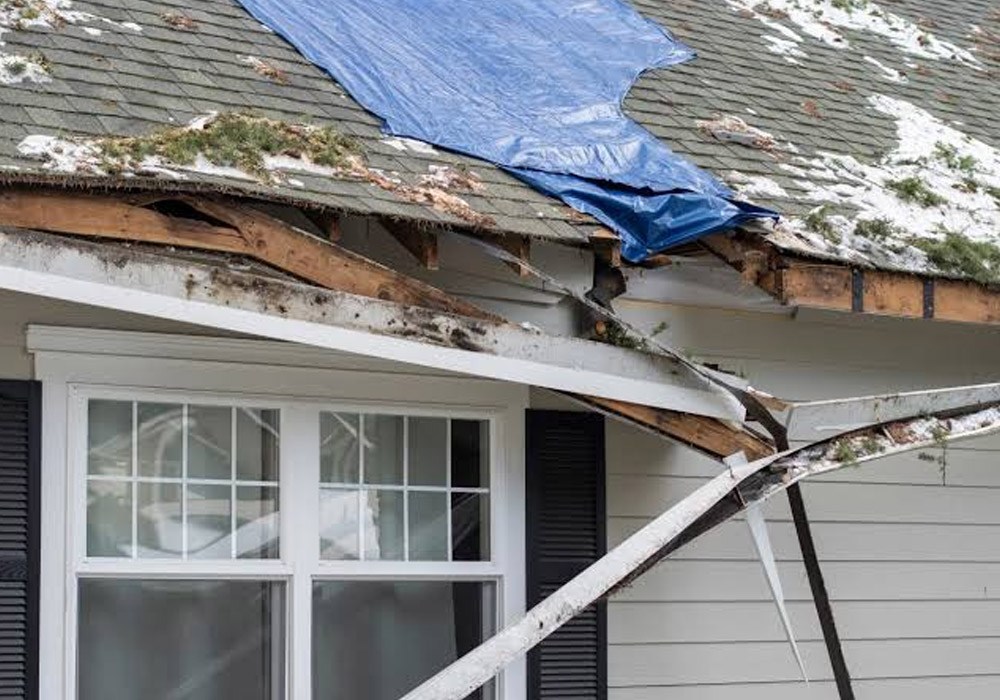
The storm’s gone. You walk outside — and your stomach drops. Shingles ripped off. Gutters choked with debris. Ceiling stains you weren’t expecting. A lot hits you at once. Those first few hours, though? They carry real weight. The difference between a manageable repair bill and a full structural catastrophe often hinges on how fast you move — and how smart those first moves actually are.
1. Document Everything with Photos and Video
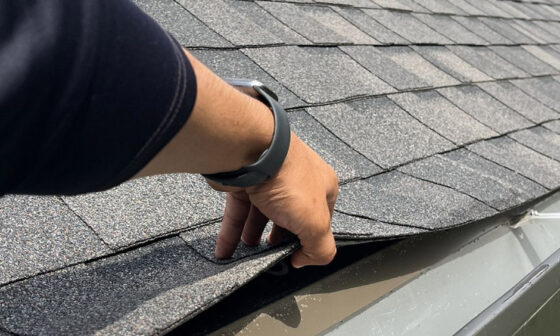
Don’t touch anything yet. Seriously. Grab your phone and photograph every bit of visible damage before you disturb a single shingle. Cracked or missing shingles up close. Dented gutters. Torn flashing. Ceiling stains, wall stains — anything discolored that wasn’t there before. Wide shots matter too; capture the roof’s full condition and the yard around it. Video beats still photos in one critical way: it’s continuous, timestamped, harder to dispute. Back everything up in at least two locations. Cloud, email, a thumb drive — whatever. Losing that record isn’t something you can afford to let happen.
2. Contact Your Insurance Company Promptly
Got your documentation? Call your insurer. Within 24 to 48 hours if possible — plenty of policies have hard reporting deadlines, and blowing past them can kill your claim outright. Keep the first call focused: describe what you found, confirm you’ve got photo and video ready, and ask specifically what they need from you. Is an adjuster coming? What forms are required? Write down everything — date, time, the rep’s name, exactly what was said. Every single call gets logged. And don’t speculate about repair costs or nod at any preliminary settlement figure before a professional has actually looked at the damage in person.
3. Make Temporary Repairs to Prevent Further Damage
Rain doesn’t pause for paperwork. If water’s actively getting into your attic or living spaces, set up buckets, throw down tarps, do what you must to protect the interior. What you shouldn’t do is climb onto a wet, icy, or structurally questionable roof yourself. Hire a licensed roofer to install temporary waterproof covering over the worst spots instead.
These stopgap fixes serve two purposes. They prevent additional water damage from piling onto your losses — and they signal to your insurer that you acted responsibly. Photograph everything you do. Keep every receipt. Temporary repair costs are often reimbursable under your policy, but only when you can prove what you actually spent.
4. Obtain Estimates from Licensed Contractors
Don’t rush straight into permanent repairs. Get written estimates from two or three licensed, insured roofers first. Each should break down the specific damage, materials to be used, timeline, and full cost — line by line, not ballpark figures. Homeowners navigating storm damage claims often find that working with an experienced Austin Roofing Company provides prompt assessments, accurate itemized estimates, and direct coordination with insurance adjusters. Ask about workmanship warranties. Ask whether they’ll work directly with your insurance company. And resist the pull of the lowest bid — cheap numbers sometimes mean cut-rate materials or damage that wasn’t fully scoped. Compare carefully before deciding.
5. Review Your Insurance Claim and Settlement Offer
Adjuster’s been out. Contractor estimates are sitting on your desk. Now comes the part most homeowners rush through — reviewing the actual settlement offer. Don’t rush it. Lay your contractor estimates directly beside what the insurer is proposing to pay. Gaps show up often; adjusters miss things, or undervalue repair costs. If the numbers don’t match, push back. Most policies allow you to request a re-evaluation or bring in a public adjuster to negotiate on your behalf. Before signing anything, confirm the settlement covers all documented damage — including anything a contractor flagged that wasn’t immediately visible. Once you accept and work begins, reopening the claim for overlooked damage is an uphill fight you probably won’t win.
Conclusion
Storm damage is stressful. No way around it. But it’s workable when you approach it methodically. Document first. Call your insurer fast. Plug additional water intrusion with temporary fixes. Collect solid professional estimates. Then scrutinize whatever settlement lands in front of you. Each step reinforces the one before it, building a paper trail that protects both your home and your claim. Work through them one at a time — and you give yourself the best realistic shot at a full recovery.