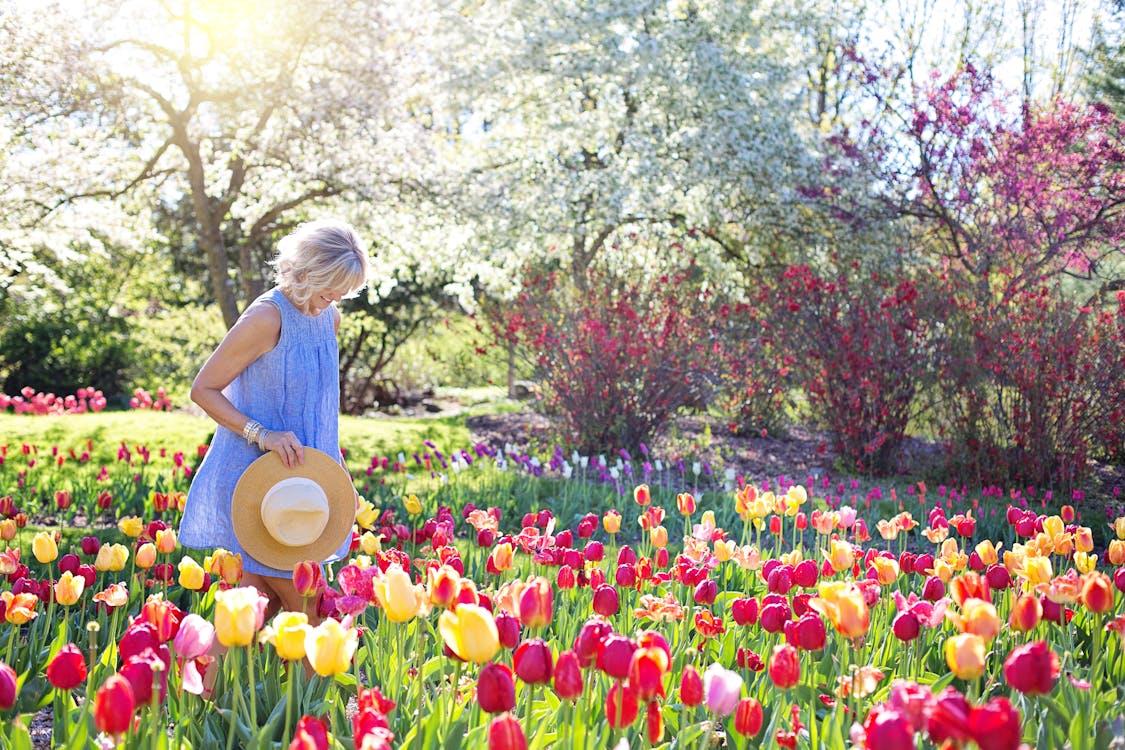
Spring does not arrive with a rulebook. It quietly rearranges the day. Light shows up earlier, evenings stretch longer, and routines loosen without asking permission. Alarm clocks feel less aggressive, meals feel lighter, and the idea of going outside stops sounding like a chore. Daily health choices start responding to comfort and availability rather than rigid plans.
The pace of spring nudges people toward tiny adjustments that add up. Morning habits change. Food decisions feel seasonal without much thought. Time outside becomes part of the day instead of a special effort.
Earlier Mornings
Earlier sunlight changes how mornings feel before anything else does. Waking up with daylight creates a calmer start to the day and often shortens the distance between waking and moving. Morning routines feel less rushed because the environment feels awake already. Simple habits like stretching, stepping outside briefly, or sitting with breakfast feel easier to keep consistent.
Many people also treat mornings as a moment for light structure. Alongside breakfast, supplements sometimes become part of this routine, not as a replacement for food or a way to fill gaps, but as support within an already established habit. Supplements from brands such as USANA Health Sciences often fit into this pattern because they are easy to incorporate without disrupting meals. The key is simplicity. The routine works because it stays grounded in food, timing, and comfort rather than complexity.
Seasonal Foods
Spring naturally changes what ends up on the plate. As produce availability changes, meals often feel lighter without effort. Fresh greens, fruits, and simple dishes start replacing heavier options that made sense during colder months. Food choices follow what looks appealing and available rather than strict planning.
This seasonal approach removes pressure from eating decisions. Shopping and cooking feel more intuitive because options align with the weather and appetite. Meals become quicker, fresher, and easier to repeat. Springtime eating works best when it mirrors what the season offers rather than forcing year-round routines that no longer fit.
Regular Outdoor Time
Outdoor time stops feeling optional in spring. Mild temperatures and longer daylight make it easier to step outside without preparation. Short walks, time on a porch, or quick breaks outdoors begin fitting naturally into the day. This exposure often happens without scheduling or tracking.
As outdoor time becomes routine, it subtly influences energy and focus. People start structuring days around moments of fresh air. Indoor tasks get broken up naturally, and movement happens without formal plans. Spring makes being outside feel like part of normal life rather than an extra task to complete.
Spring Shopping
Grocery shopping changes as stores highlight the season. Displays alter, local produce becomes more visible, and shopping lists adapt without much intention. Buying what is in season often feels simpler because options are clearer and meals require less effort to plan.
Spring shopping encourages flexibility. Instead of following strict lists, people respond to what looks fresh and useful for the week ahead. Cooking becomes more spontaneous, and meals feel less repetitive.
Mild Weather Activity
Spring weather invites movement without demanding it. Activities feel easier to fit into the day because conditions feel comfortable rather than extreme. Walking, light outdoor tasks, or casual activity feel natural and unforced.
Activity planning during spring tends to follow mood and opportunity. People move because it feels good to do so, not because it sits on a schedule. This kind of movement supports consistency simply because it fits into the pace of the season. Spring encourages activity that feels supportive rather than structured.
Light Guided Sleep
Natural light has a remarkable influence on sleep timing during spring. Longer daylight affects how evenings feel, often encouraging later wind-down routines without conscious planning. Rooms stay brighter, and the sense of time shifts slightly as days stretch forward. Sleep routines adjust through awareness rather than effort.
People often respond by easing into nighttime habits earlier or dimming lights gradually. Attention turns toward creating a calmer evening environment that matches the season. Sleep timing becomes guided by daylight patterns rather than alarms or strict schedules, helping routines stay steady during seasonal change.
Time Outside
Spending time outside starts shaping the structure of the day in subtle ways. Short breaks outdoors, moments in fresh air, and extended daylight influence how tasks are spaced throughout the day. Indoor time naturally gets interrupted by outdoor moments that feel inviting.
This pattern affects pacing. Work, rest, and movement begin to follow daylight and comfort. Time outside acts as a natural divider between tasks, giving the day shape without formal planning. Spring supports routines that feel balanced through the environment rather than rules.
Open Air Living
Household habits often adjust once windows open and air flows freely. Living spaces feel different, and daily activities respond to that change. Meals, conversations, and relaxation moments drift toward brighter, breezier areas of the home.
Open-air living encourages flexibility within the household. Spaces get used differently throughout the day as light and airflow shift. This change influences comfort, mood, and routine without requiring new habits. The home begins to move with the season.
Social Patterns
Social routines tend to form around daylight and weather during spring. Plans feel easier to make when evenings stay bright and outdoor settings feel comfortable. Casual meetups, shared meals, and informal gatherings fit naturally into longer days.
Social activity follows availability rather than structure. People connect through shared moments that feel spontaneous yet familiar. Spring supports social routines that feel relaxed and welcoming, shaped by time and environment rather than fixed schedules.
Comfort Awareness
Daily comfort becomes more noticeable during seasonal transition. Clothing choices, activity timing, and pacing adjust throughout the day based on temperature and light. Awareness grows through experience rather than intention.
People respond by fine-tuning small choices. Layers, movement timing, and rest moments adapt to changing conditions. Comfort guides decisions quietly, helping routines stay steady as the season unfolds.
Spring Weekends
Weekend plans during spring often respond directly to weather patterns. Open days, mild temperatures, and longer light encourage flexible planning. Activities remain open-ended, allowing time to unfold naturally.
Weekends take on a lighter structure. Outdoor plans, errands, and rest fit together without rigid timing. Spring weekends support recovery and connection through ease rather than obligation.
Springtime pace shapes daily health choices through light, comfort, and availability. Routines respond naturally as days grow brighter and environments feel more inviting. Minor adjustments across food, movement, rest, and social time add up through consistency. Health during spring does not rely on overhaul or structure. It grows through attention to daily routines and comfort.