Key Takeaways
- RESPs offer flexibility to transfer funds between siblings under specific conditions.
- Family RESPs simplify the transfer process compared to individual plans.
- Government grants, such as the CESG, have specific rules regarding transfers.
- Proper documentation is essential to ensure compliance and avoid penalties.
Registered Education Savings Plans (RESPs) are a cornerstone of educational planning for Canadian families. Understanding how to transfer RESP funds between siblings can maximize these benefits and adapt to changing educational paths. For detailed insights on this process, refer to Questrade’s comprehensive guide on RESP transfer to a sibling. Questrade, a leading Canadian online brokerage, offers valuable resources and services to help families manage their educational savings effectively.
Understanding RESPs
RESPs are tax-advantaged accounts designed to help families save for their children’s post-secondary education. Contributions grow tax-free, and the government may provide additional incentives, such as the Canada Education Savings Grant (CESG), to encourage savings. The RESP is considered one of the most effective ways to plan financially for future education costs as tuition and associated fees continue to rise. By starting early and making consistent contributions, families can take full advantage of compounding growth over the years.
Types of RESPs
There are two primary types of RESPs:
- Individual RESPs:These plans are designated for a single beneficiary. They offer flexibility but can be less adaptable when family circumstances change. The plan’s ownership and beneficiary structure will determine how easy or difficult it is to make changes down the line.
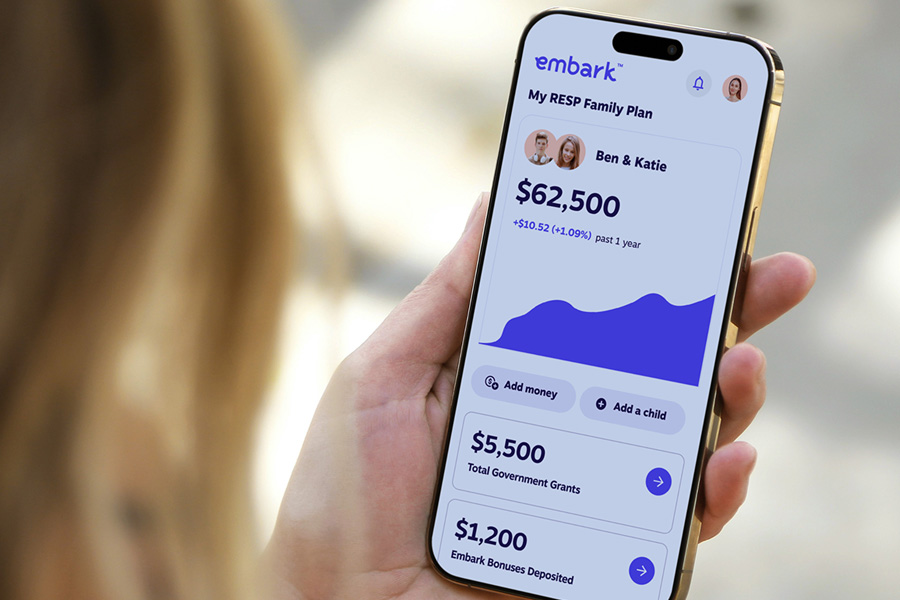
- Family RESPs:Designed for related beneficiaries by blood or adoption, family plans allow funds to be shared among siblings, providing greater flexibility in fund allocation. These plans are particularly useful for families with more than one child, making it easier to manage changing educational needs.
Transferring RESP Funds Between Siblings
Transferring funds between siblings is more straightforward in a family RESP, where funds are pooled and can be allocated to any beneficiary. In individual RESPs, transfers are possible but come with specific conditions:
- The receiving beneficiary must be a sibling of the original beneficiary.
- The receiving plan must have been established before the beneficiary turned 21.
It is also important to note that the available contribution room and grant limits will apply to the new beneficiary. For example, if the incoming sibling already has an RESP, ensure the total CESG received doesn’t exceed the lifetime maximum of $7,200 per child.
Impact on Government Grants
Government grants like the CESG are subject to specific rules during transfers:
- If the new beneficiary is a sibling under 21, the CESG can be transferred without repayment.
- Transfers to non-sibling beneficiaries or siblings over 21 may require repayment of the CESG.
It’s crucial to understand these rules to avoid unintended penalties. More information can be found in the Managing the Registered Education Savings Plan guide. Note that provincial grants, such as the Quebec Education Savings Incentive (QESI) or the BC Training and Education Savings Grant (BCTESG), may have their own transfer rules, so it’s wise to review policies for your province as well.
Tax Implications
While contributions to an RESP are not tax-deductible, the investment growth is tax-deferred. Withdrawals used for educational purposes are taxed in the student’s hands, who typically has a lower income, resulting in minimal tax liability. However, improper transfers can lead to tax consequences, so it’s essential to follow the prescribed guidelines.
Any Educational Assistance Payments (EAPs) that include grants and investment growth must be claimed as income by the student named as beneficiary at the time of withdrawal. Non-qualified withdrawals may trigger the repayment of grants and taxation of the growth component at a higher rate, so families should plan transfers carefully.
Steps to Transfer RESP Funds
- Review Plan Terms:Ensure both the transferring and receiving plans allow for transfers.
- Consult Your RESP Provider:They can provide specific forms and guidance tailored to your situation.
- Complete Necessary Documentation:Accurate paperwork is crucial to facilitate the transfer and maintain compliance.
- Monitor Government Grants:Confirm that the CESG and other grants are correctly allocated post-transfer.
Keep records of all communications with your RESP provider and double-check information regarding grant balances and transfer eligibility.
Common Mistakes to Avoid
- Overlooking Grant Rules:Failing to adhere to CESG transfer rules can result in grant repayment.
- Ignoring Age Restrictions:Transfers to siblings over 21 may not be eligible for grant retention.
- Incomplete Documentation:Missing or incorrect forms can delay or nullify the transfer process.
Additionally, misunderstanding the differences between family and individual RESPs can lead to avoidable complications. For instance, trying to allocate grant room beyond allowed limits or neglecting to track provincial grants can create setbacks.
Best Practices for Managing RESPs
- Consider opening a family plan if you have more than one child to simplify future fund allocation.
- Keep detailed statements and documents, especially after changes or transfers are made.
- Begin saving as early as possible to maximize grant eligibility and compound returns.
- Set calendar reminders for key RESP contribution deadlines and grant eligibility dates.
- Regularly review government guidelines and updates to RESP regulations to stay informed.
Proactive management is key. By reviewing your RESP strategy yearly, especially as your children approach post-secondary age, you can anticipate needs and optimize fund use.
FAQ on RESP Transfers
- Can I transfer an RESP if the original beneficiary doesn’t attend post-secondary school?
- If the original beneficiary chooses not to pursue further education, you can often transfer funds to a sibling, provided the new beneficiary meets age and relationship requirements.
- What happens if both siblings attend school at the same time?
- Under a family plan, you can allocate funds among siblings as needed, ensuring both can access the RESP proceeds for educational costs, subject to grant limits.
- Are there fees involved in transferring RESPs?
- Check with your plan provider; some may charge administrative or transfer fees, while others do not.
Conclusion
Transferring RESP funds between siblings offers families the flexibility to adapt to changing educational plans. By understanding the types of RESPs, adhering to government grant rules, and following the correct procedures, parents can ensure their savings are utilized effectively for their children’s education.
Ultimately, the ability to transfer funds helps parents optimize family resources as children’s plans evolve. With careful management, a well-structured RESP can pay off for the whole family in supporting long-term educational success.