San Diego’s Rideshare Pulse and Why Claims Get Complicated
San Diego hums with rideshare activity. From the bustle of the Gaslamp Quarter to the sunlit lanes of Pacific Beach and the constant shuffle around the airport, Uber and Lyft vehicles weave through a city alive with commuters and visitors. Heavy traffic, distracted moments, and frequent pickups and drop-offs create conditions where crashes can happen in an instant. When they do, the aftermath is rarely simple.
Victims face a maze of questions. Who pays for medical bills and lost wages. How do overlapping policies apply. Which party is responsible and when. Rideshare claims stack complexities on top of ordinary crash dynamics, and the result is a process that can feel more like navigating a storm than a straightforward road. That is why understanding how liability shifts, how insurance coverage triggers, and how evidence is secured becomes essential from day one.
When App Status Controls Liability
In rideshare cases, the driver’s status in the app often holds the key to liability. It is not just whether the driver was at fault, but whether they were offline, waiting for a ride request, headed to pick up a passenger, or already transporting one. Each phase can change whose insurance applies and in what order.
If the driver is offline, their personal auto insurance generally sits front and center. If the app is on and they are waiting for a ride, rideshare coverage may be limited and secondary, offering support only after the driver’s personal policy has been tapped. Once a driver accepts a ride and is en route to the pickup, company coverage typically increases. When a passenger is in the vehicle, policy limits are usually at their highest.
That structure matters because it decides how claims unfold. Two similar collisions can produce very different paths to compensation simply because the driver’s app status changed moments before impact. For passengers, third parties, and drivers themselves, these distinctions are more than technicalities. They shape liability decisions and repayment timelines in real ways.
Layers of Insurance and Where Coverage Starts and Stops
Rideshare crashes involve various insurers. Driver personal insurance may cover some losses. The rideshare company’s rules may apply. If more cars or parties are involved, other policies may apply. These levels are slow and contentious to coordinate.
Policy limits vary by status and can sit behind deductibles, exclusions, and conditions. One insurer may argue that another should take the lead. Another may assert that a policy does not apply until specific thresholds are met. This can leave victims waiting while carriers debate procedural issues. When coverage overlaps, the line between primary and excess insurance becomes a battleground where delays are common.
Understanding how these layers interact is crucial. It clarifies what damages might be covered, where coverage could be denied, and how to position the claim so that it is not lost in the shuffle. Without that clarity, victims can find themselves caught between carriers, each pointing toward the other while bills keep coming due.
Evidence That Moves the Needle
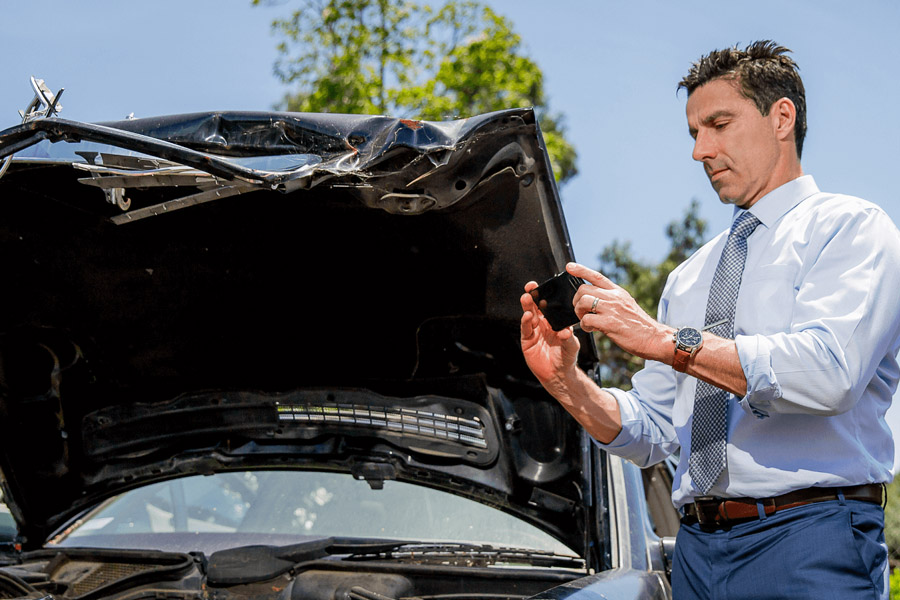
Proving fault in a rideshare crash is about securing the right details and documenting them thoroughly. Dashcam footage can reveal speed, lane position, and driver behavior. Witness statements provide context and sequence. Police reports establish the immediate facts of the scene. Rideshare app data adds a layer of precision with timestamps, route histories, and driver status.
Obtaining these records can be a challenge. App data is held by the company. Digital logs may require formal requests or subpoenas. Witnesses might be tourists who leave town. Surveillance footage can be overwritten. The clock matters. Evidence goes stale, and the absence of timely documentation can weaken an otherwise strong claim.
Experienced attorneys know how to pull those threads quickly. They can secure the data, preserve the recordings, and anchor the narrative around verifiable facts. In a world where a few seconds of video or a line of app metadata can change fault decisions, getting evidence right is pivotal.
Why Insurers Push Back
Even when the story seems clear, insurers often push back. They may argue comparative negligence and assign a percentage of fault to the victim. They may dispute the severity of injuries or the necessity of certain treatments. They can challenge whether a policy’s coverage actually triggered at the time of the crash.
Recorded statements, medical audits, and requests for documentation are common tools used to limit payouts. The result is a slow drip of decisions that can erode a victim’s bargaining position if not handled carefully. Rideshare claims add another twist because carriers frequently parse app status and policy language to shift costs to another insurer. The back and forth can be exhausting.
Persistence and precision help counter that resistance. When a claim is supported by cohesive evidence and a clear timeline of policy activation, it becomes harder for insurers to sidestep responsibility. The process may still take time, but clarity tightens the path toward a fair resolution.
The Long Tail of Claims Processing
Rideshare accident claims often take longer than standard car accident cases. Multiple parties are involved, and each must share information, evaluate coverage, and make decisions. Medical payments can stall while fault is assigned. Vehicle repairs may sit in limbo during adjuster reviews. Wage reimbursement can lag behind because insurers require proof of employment and lost time that is verified in multiple ways.
Logistics alone might stretch weeks into months. Document and support long-term effects and future care expenses in major injury cases. That may prolong timescales. Delays are frustrating yet usual. Maintaining order and progress becomes difficult.
How a San Diego Rideshare Accident Lawyer Simplifies Chaos
A skilled San Diego rideshare accident lawyer acts like a guide through a crowded marketplace, cutting through noise and pointing to what matters. They identify the liable parties and the policies in play. They collect the records that prove driver status and app activity. They coordinate with medical providers to document injuries and costs. They handle communications so that insurers do not steer the claim toward a low settlement.
Local familiarity helps. San Diego’s busiest areas have predictable traffic patterns and problem zones that can inform case strategy. Lawyers who regularly work with rideshare claims know the cadence of company responses, the internal thresholds for coverage, and the documentation that tends to sway adjusters. With that insight, the process becomes more manageable and less prone to missteps that cost time or money.
Key Points to Keep In Mind
San Diego’s crowded traffic and high rideshare volume increase accidents and complex claims. App status affects liability and coverage. Multiple insurers might delay and overlap duties. Strong evidence drives the assertion and is required. Experienced legal advice triggers the correct policies, gathers the right records, and keeps conversations focused on fair compensation.
FAQ
Who can be held liable in a rideshare crash in San Diego
Liability can include the rideshare driver, another driver, the rideshare company’s insurer based on app status, and in some cases third parties whose actions contributed to the crash. The specific mix depends on how the collision occurred and whether the rideshare driver was offline, waiting for a request, en route to a pickup, or transporting a passenger.
How does the driver’s app status affect insurance coverage
App status determines which policy applies and at what level. Offline typically means the driver’s personal insurance is primary. Waiting for a ride can trigger limited company coverage that may be secondary. En route to a pickup or transporting a passenger generally activates higher company policy limits. These distinctions shape who pays and how much.
What evidence helps prove fault in a rideshare accident
Dashcam video, scene images, police reports, witness testimony, trip receipts, app data with timestamps and itineraries, and security film are useful evidence. Medical records show crash-related injuries. The best claims weave these materials into a timeline.
What if the rideshare company denies coverage
Coverage denials often hinge on app status, policy exclusions, or disputes about fault. When a denial occurs, the claim may proceed against the driver’s personal insurer or another at fault party. Documentation that confirms status in the app and clarifies the sequence of events can challenge denials and draw the company policy back into play.
How long do rideshare claims typically take to resolve
Timelines vary. Simple property damage claims may resolve within a few weeks. Injury claims can take months because insurers assess medical records, determine fault, and negotiate damages. When multiple policies and parties are involved, coordination adds time. Complex cases with significant injuries often extend further.
Do I need a lawyer for a rideshare claim
While not required, a lawyer familiar with rideshare accidents can streamline the process, clarify coverage questions, secure critical evidence, and negotiate with insurers. In cases with multiple policies or contested liability, legal guidance often improves outcomes and reduces delays.