
Waking up to mysteriously bitten spots or seeing tiny spots on your sheets can quickly turn comfort into worry. Bed bugs are not only annoying, but also stubborn insects that are silent and reproduce quickly.
Consequently, a small problem will get out of hand and become a stressful event. In addition, they can conceal themselves in small cracks and crevices, and they are not easily identified at an early stage. Making unthought-out moves tends to aggravate the situation, letting them proliferate throughout your house.
Consequently, it is critical to know the right course of action at the outset. With a systematic method, you can handle the situation and avoid long-term interruption.
This article will tell you how to act in case you have discovered bed bugs and how to manage the issue effectively.
1. Identify the Problem Before Taking Action
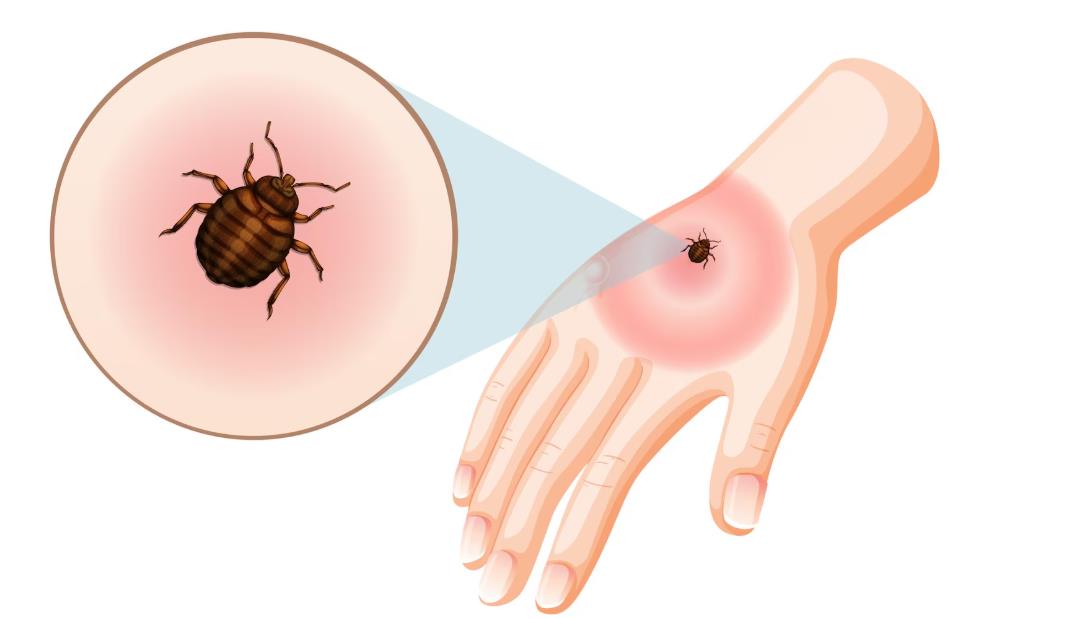
Bed bug infestations are often more pronounced due to certain housing patterns and timing-related factors that allow them to spread unnoticed. For instance, frequent tenant turnover in shared living spaces can increase the likelihood of bed bugs moving between units without immediate detection.
Before taking any action, it’s important to confirm that you are actually dealing with bed bugs. Look carefully for small reddish-brown insects, tiny white eggs, or dark spots on mattresses and bedding. Be sure to inspect mattress seams, bed frames, and nearby crevices, as these are common hiding spots for bed bugs.
2. Seek Professional Help When Necessary
Sometimes, despite your best efforts, the infestation may persist. In such cases, professional intervention becomes the most effective option. Experts use advanced methods and equipment to target bed bugs in hidden areas, and they understand how to treat the infestation at every stage of its life cycle.
If you’re in an area like North Texas, where warm conditions can contribute to persistent pest activity, professional support becomes especially important. Working with a trusted provider such as pest solutions of North Texas can make a noticeable difference. Their local experience allows them to address infestations more effectively and with long-term results. Choosing professional help not only saves time but also reduces repeated trial-and-error attempts, ensuring a more thorough and lasting solution when the situation becomes difficult to manage.
3. Contain Bed Bugs Before They Spread Further
Containment is the next step after you establish the presence of bed bugs. These pests spread quickly because they attach themselves to fabrics and personal belongings. This makes it important to restrict their movement.
Begin by sealing off the affected area. Do not transfer the infested room to other areas in your house. Moreover, put clothes, bedding, and soft materials in sealed bags until they can be washed appropriately.
Meanwhile, minimize clutter in the vicinity of sleeping areas. Bed bugs can easily thrive in crowded environments where they can hide. Simplifying space also provides greater ease of control and monitoring of the situation.
4. Use Heat and Deep Cleaning to Eliminate Bed Bugs
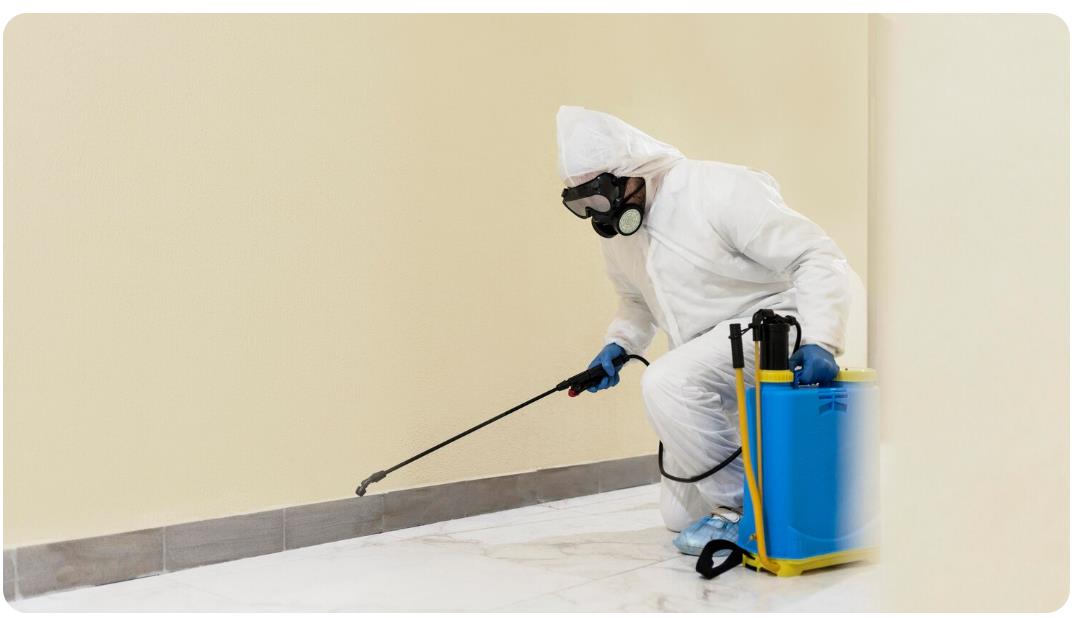
Once contained, work on cleaning properly. One of the surest methods of eliminating bed bugs in all stages of their life cycle is heat treatment. As a result, high temperatures become an important component of the process.
Wash bedding, linens, and clothing in hot water. Then, dry them on the highest heat setting for at least 30 minutes. Secondly, vacuum clean mattresses, carpets, and furniture, and be careful about seams and edges.
When completed, empty the contents of the vacuum into a sealed bag outside your house. This makes sure the bugs are unable to go back. Regular cleaning will help a great deal in reducing the infestation and also aid in further control measures.
5. Check and Treat Concealed Spaces
Bed bugs tend to stay in areas that are difficult to access after cleaning. Thus, the problem should be well addressed by means of detailed inspection.
Check bed frames, headboards, baseboards, and even electrical outlets. Check with a flashlight to determine activity. In addition, look into the idea of encasing the mattress to trap any residual bugs and keep new bugs out.
When you decide to use treatments, be sure that they are bed bug-specific. Nevertheless, do not overuse products as they may be counterproductive when used improperly. A problem-oriented and attentive attitude is more effective.
6. Track Progress and Remain Consistent

Regular check-ups are necessary at this point. Bed bugs are very tough, and even a single one missed can cause a new infestation. As such, being vigilant is a way of ensuring success in the long term.
Monitoring devices like interceptors under the legs of furniture can be used to track activity. Periodically check your sleeping space and the surrounding area of the new signs. Also, wash and dry bedding regularly at this time.
Through consistency, you will be able to detect any unfinished activity at an early stage. This not only ensures that what you are doing is effective, but also helps in ensuring that the problem does not recur.
Final Thoughts
Dealing with bed bugs requires a calm and structured approach. First, confirming the infestation ensures that you take the right steps from the beginning. Then, containing their spread prevents the problem from worsening.
Cleaning and applying heat treatment help eliminate a large portion of the infestation, while detailed inspection targets hidden areas. At the same time, consistent monitoring ensures that no activity goes unnoticed.
When needed, professional support offers a deeper and more reliable solution. By following these steps carefully and staying proactive throughout the process, you can regain control of your space, protect your home environment, and prevent future infestations with confidence and long-term effectiveness.