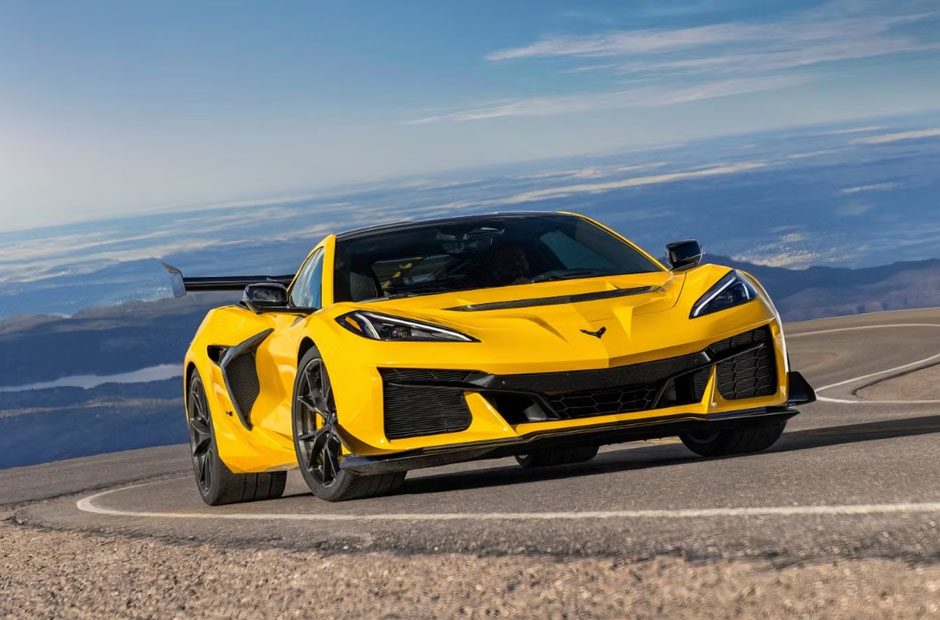
The move to a mid-engine platform changed more than the way the Corvette drives. It also reshaped how the driver sits and interacts with the car. Earlier generations placed controls within easy reach across a wide cabin, which made them comfortable for long drives but less focused than many European sports cars. The newer layout feels narrower and more intentional once you settle into the seat.
Drivers usually notice the change right away. The center console rises higher than expected and separates the driver from the passenger more clearly than older models did. The design feels deliberate rather than decorative. The space encourages attention toward the road instead of across the cabin.
The difference becomes clearer after a longer drive.
The Driver Position Feels More Centered
Earlier Corvettes often felt spacious from the driver’s seat. There was room to stretch out, and the dashboard spread across a wide horizontal line. That layout worked well for highway driving but did not always create a focused feel.
The newer seating position pulls the driver inward. The steering wheel sits closer to the body, and the instrument cluster remains directly in line with the driver’s view. The windshield angle and dashboard height reinforce that centered feeling.
Visibility forward stays strong.
The sense of enclosure increases.
Controls Favor the Driver First
The control layout reflects a shift toward driver priority. Many switches angle slightly toward the left side, making them easier to reach without leaning forward. Climate controls run along a raised divider that keeps them within easy reach.
The arrangement feels unusual at first glance. After some time behind the wheel the placement begins to make sense. Each control sits close enough to adjust without searching.
Owners often mention the C8 Corvette interior when describing this change because the console and button layout make the driver area feel distinct from the passenger side. The separation is more noticeable than in earlier models.
The cabin feels purpose-built.
The Cabin Feels Narrower Than It Measures
Interior dimensions do not shrink dramatically compared with earlier generations, yet the car often feels tighter. The tall console and door panels shape the way space gets perceived. The driver sits inside the layout rather than on top of it.
That sense of enclosure resembles many mid-engine cars. The layout reduces distraction by keeping the driver’s view concentrated ahead. Peripheral elements fade into the background once the car is moving.
The impression grows stronger with time.
Comfort does not disappear.
Sightlines Reflect Mid-Engine Priorities
The mid-engine layout influences what the driver sees. The hood appears shorter and lower from the seat, which changes the visual reference points compared with front-engine models. The road feels closer.
Rear visibility narrows because of the engine placement and bodywork. Cameras and sensors take on a larger role during parking and low-speed maneuvering.
The tradeoff reflects performance priorities.
Drivers adjust quickly.
Ergonomics Support Performance Driving
The interior layout encourages steady hand placement and minimal movement while driving. Steering inputs happen without reaching. Controls sit near natural hand positions. The arrangement feels stable at speed.
Long drives remain comfortable, but the design clearly favors active driving. The seat bolsters and console height hold the driver in place during cornering.
The layout feels intentional.
The shift toward supercar ergonomics shows up in the details.