Key Takeaways
- Safety comes before photographs, statements, or paperwork.
- Prompt medical attention can protect your health and document symptoms.
- Photos, witness details, reports, and vehicle information can help preserve basic facts.
- A commercial truck claim may involve parties beyond the driver.
- Insurance communications and settlement documents should be handled carefully.
- Avoid guessing about fault, speed, fatigue, or electronic data.
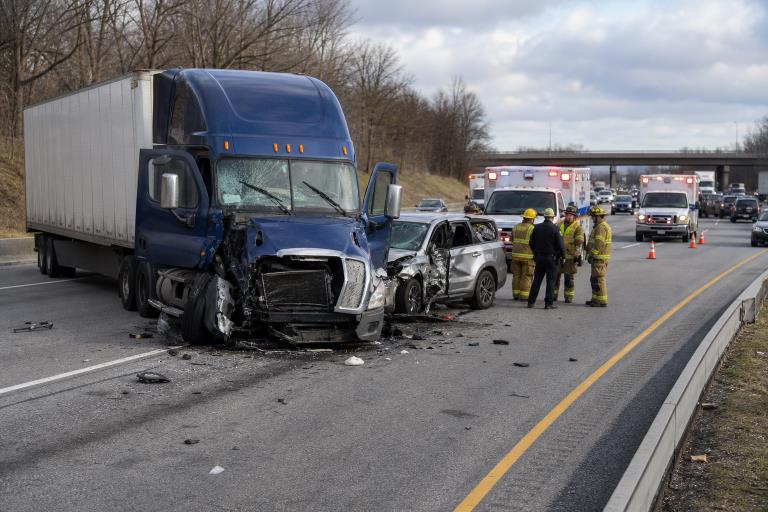
A collision involving a commercial truck can be disorienting, whether you were driving, riding as a passenger, walking, or cycling nearby. The priority is protecting people from further harm, not deciding fault at the roadside. Once immediate danger has passed, speaking with a semi truck accident attorney may help a seriously injured person understand the next steps, especially when multiple companies or insurers become involved.
Commercial truck crashes can raise issues that do not always appear in a typical two-car collision, including company ownership, cargo, maintenance, dispatching, and electronic records. Federal crash reporting recognizes fatal, injury, and property-damage-only events involving large trucks and buses, which is why large truck and bus crash facts can provide useful context without determining what happened in any individual crash.
Why The First Hours Matter
The hours after a crash can affect both physical recovery and the ability to remember basic details. You do not need to conduct a complete investigation at the scene. Focus on staying safe, seeking medical help, notifying law enforcement when appropriate, and preserving basic information before vehicles, debris, weather conditions, and witnesses change.
Step One: Move To Safety
If you can move without worsening an injury, get away from active traffic and keep a safe distance from damaged vehicles. Turn on hazard lights if your vehicle is operable. Follow instructions from police, firefighters, paramedics, and road crews, since they may need to control traffic or identify hidden hazards.
- Stay clear of moving lanes, unstable vehicles, and broken barriers.
- Do not approach leaking fuel, unknown fluids, chemicals, or damaged cargo.
- Do not climb into a truck cab, trailer, or cargo area.
- Skip photographs or conversations if remaining at the scene is unsafe.
Step Two: Call 911 And Request Medical Help
Call 911 when someone is injured, bleeding, trapped, confused, unable to move safely, or exposed to a road hazard. Even if pain seems manageable, consider accepting an evaluation from paramedics or contacting a medical provider promptly. Symptoms such as headaches, neck pain, dizziness, numbness, confusion, or unusual fatigue can become more noticeable after the immediate stress of the crash subsides.
Be accurate when describing symptoms and the circumstances of the collision. Keep follow-up appointments, take prescribed medication as directed, and follow activity restrictions. Medical records, bills, and treatment recommendations can later provide a clearer timeline of your care.
Step Three: Record Useful Details
If it is safe to do so, take clear photos or videos and make notes while events are fresh. Keep original image files whenever possible. Edited photos, deleted messages, and social-media posts can create confusion about what was documented and when.
- Vehicle damage, debris, skid marks, road signs, lanes, and traffic signals.
- Weather, lighting, the time, and the location of the collision.
- License plates, trailer numbers, company names, and visible DOT markings.
- Visible injuries and damage to personal property.
- Witness names, phone numbers, and a short summary of what each person observed.
Step Four: Identify The Truck And Other Parties
A crash involving a commercial vehicle may involve more than one responsible party. Depending on the circumstances, relevant businesses may include the motor carrier, truck owner, maintenance provider, loader, broker, or manufacturer. Collect the driver’s name, employer information, insurance details, and visible truck or trailer identification numbers. Do not search the vehicle or attempt to inspect cargo or onboard equipment yourself.
Step Five: Protect Medical And Financial Records
Create one physical or digital folder for crash-related materials. Small records can become important when treatment, vehicle repairs, missed work, or insurance questions continue over time.
- Police report numbers, medical records, prescriptions, and appointment summaries.
- Medical bills, insurance explanations of benefits, and receipts.
- Repair estimates, towing invoices, rental-car costs, and property-loss records.
- Pay stubs, work restrictions, and documentation of missed work.
- Emails, letters, texts, and voicemails from insurers or other involved parties.
Step Six: Handle Insurance Contact Carefully
An adjuster may contact you soon after the collision. It is reasonable to provide accurate basic information, but avoid minimizing injuries, debating fault, or estimating facts you do not know. Before signing a medical authorization, recorded-statement request, release, or settlement agreement, make sure you understand what it asks for and how it could affect your claim.
- Write down the caller’s name, company, phone number, and claim number.
- Ask what information is requested and why it is needed.
- Keep answers factual, short, and consistent with what you know.
- Do not speculate about speed, distraction, fatigue, visibility, or vehicle data.
- Save copies of all forms and communications.
Evidence That May Matter In A Commercial Truck Claim
Relevant evidence may exist beyond the crash scene. Depending on the facts, it could include inspection and maintenance records, dispatch communications, driver qualification materials, delivery documents, route information, onboard data, video footage, or cargo records. Because companies, rather than individuals, may manage certain materials, prompt professional guidance can be important after a serious injury, a fatal crash, a disputed account of events, or a concern that evidence could be lost.
Common Mistakes To Avoid
- Leaving before reporting the crash when reporting is required, or emergency help is needed.
- Declining medical care solely because the collision appears minor.
- Posting accusations, injury updates, or detailed opinions online.
- Apologizing or making a rushed statement about fault.
- Deleting original photographs, videos, or messages.
- Ignoring medical follow-up or work restrictions.
- Signing a release without understanding its effect.
Preventing A Second Collision
All drivers can reduce risk by leaving extra space around large vehicles, avoiding blind spots, and using caution near wide turns. Personal cargo also needs attention, as objects that fall from a vehicle can pose hazards to everyone on the road. Drivers should secure cargo before driving by using appropriate tie-downs, checking the load, and avoiding overloading a vehicle or trailer.
Common Questions After A Truck Crash
Should You Request A Police Report?
Contact law enforcement when there are injuries, significant damage, traffic hazards, suspected impairment, or disagreement about what occurred. Ask the responding officer how to obtain the report number and where the completed report may be available.
What If Symptoms Appear Later?
Contact a medical provider as soon as symptoms develop or worsen. Explain that the symptoms followed a recent crash and provide an honest account of their severity and timing.
What If The Truck Driver Says The Crash Was Minor?
A roadside opinion does not determine the seriousness of an injury or claim. Rely on emergency personnel, medical professionals, documented evidence, and a complete review of the circumstances.
Conclusion
After a commercial truck crash, the most useful first response is straightforward: get safe, call for help, seek medical care, preserve basic facts, and avoid rushed decisions. Careful documentation can make the next steps more manageable while protecting information that may matter later.