Why Immediate Action Matters
A dog bite can unfold in seconds, but its effects may linger. Swift, clear steps help protect your health, preserve evidence, and support any claim you might file. Treat the moment like a snapshot you want perfectly in focus. First, stabilize the situation. Then move through medical care, documentation, and reporting with purpose. If the bite happened because an owner failed to control their dog, timely action can be especially important for your recovery and any legal path you choose.
Assess the Bite and Gauge Severity
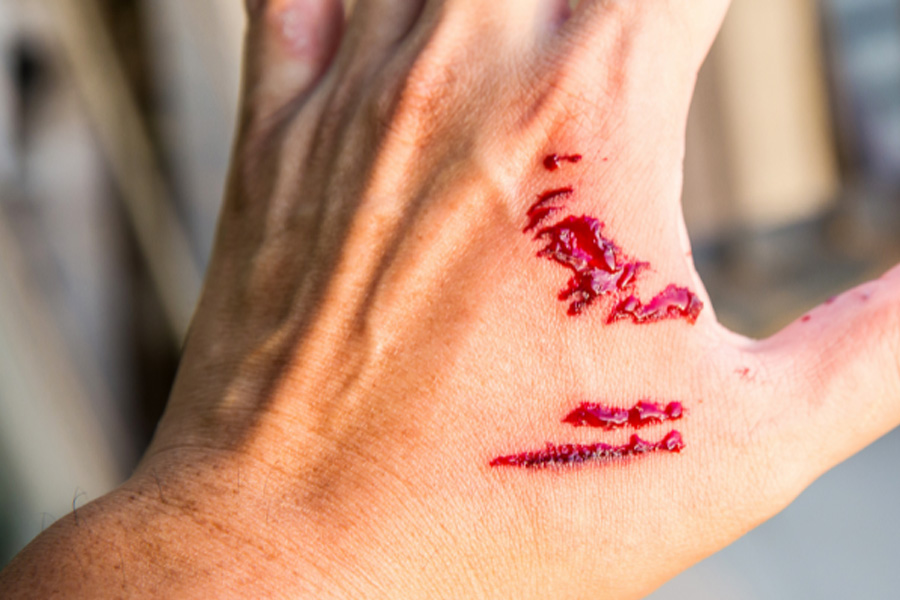
Start with the wound. Look closely. Is it deep? Is blood pooling or spurting? Are tissue or muscle layers visible? If you can see beneath the skin, that is a serious injury requiring urgent care. Note swelling, redness, and warmth. Those signs might be normal early reactions, yet they can also herald infection if they worsen. Increasing pain, a foul odor, or pus are red flags.
Consider the bite location. Hands, fingers, and face are more vulnerable to complications because of tendons, nerves, and cosmetic concerns. Bites in joints or near bones raise the risk of deeper infection. Children and older adults may need faster evaluation due to higher complication risks.
Examine your vaccination history. Consult a doctor if you haven’t received a tetanus booster in five years. Assess rabies risk based on dog vaccination and behavior. An unfamiliar, aggressive, or stray dog is more dangerous than a vaccinated one.
Seek Medical Attention Promptly
Even minor bites can turn into bigger problems. Do not guess at severity. Get assessed by a healthcare professional as soon as possible. Before you go, gently clean the wound under running water for several minutes, dabbing away debris. Avoid harsh scrubbing. Pat dry and cover with a clean dressing. If bleeding is heavy, apply steady pressure with a clean cloth while keeping the limb elevated if possible.
At the clinic, the provider will evaluate the depth and complexity of the wound, clean it thoroughly, and decide whether you need stitches or special closure techniques. They will determine if you should receive a tetanus booster. If rabies exposure cannot be ruled out, they will start the appropriate preventive regimen immediately. In some cases, antibiotics are prescribed to reduce the risk of infection, especially for puncture wounds, hand injuries, or when closing the wound with stitches.
Ask how to care for the wound at home. Typical guidance includes daily gentle cleaning, fresh dressings, and limited movement if tendons or joints are involved. Follow all instructions closely. Return for rechecks if advised. If new symptoms arise, circle back quickly. A seemingly calm bite can turn stormy overnight.
Document the Incident Thoroughly
Record medical treatment. Note the date, time, and place. Size, color, breed, mix, and markings of the dog should be noted. If known, record owner name and contact info. Get witness names and numbers. Early reporting helps align timelines for quick, chaotic situations.
Photograph injuries from multiple angles under good lighting. Take images of any torn clothing, blood stains, and the scene where the bite happened. If you know the dog’s vaccination status, save proof. Keep all medical records, bills, prescriptions, and discharge instructions together. Organize everything in a dedicated folder or digital file. Documentation is a lighthouse later on, guiding insurance claims and any legal process.
Consult a Legal Professional
If you suffered injuries because a dog was not properly controlled, consider speaking with a lawyer who handles dog bite cases. The attorney can explain your rights, how your local laws treat liability, and what compensation might be available for medical costs, lost wages, and pain and suffering. They can also outline the steps for filing a claim and gather additional evidence.
A legal professional can manage conversations with insurers, help you avoid statements that could be used against you, and negotiate on your behalf. While you focus on healing, they focus on the process. Each jurisdiction has its own rules, deadlines, and defenses, so getting tailored guidance matters. If you decide to move forward, timely consultation helps keep options open.
Report the Bite to Authorities
Reporting a dog bite protects you and your community. Contact local animal control or the police to file an official report. Provide a detailed narrative of what happened, the dog’s description, the suspected owner’s name and address if available, and any witness contacts. This creates a record that supports medical decisions and legal claims. It also helps authorities monitor the dog, confirm vaccination status, and take steps to prevent further incidents.
Many localities quarantine or observe dogs, especially if rabies status is unknown. Authority cooperation assesses health hazards and acknowledges responsibility. Reporting goes beyond formalities. It protects parkgoers, sidewalk users, and neighborhood residents.
FAQ
How do I know if the dog bite needs stitches?
Deep cuts, edges that gape open, or wounds on the face, hands, or joints often require stitches or special closure methods. Persistent bleeding, tissue exposure, and contamination increase the likelihood of needing clinical closure. A healthcare professional should make the call after thorough cleaning and assessment.
What should I do if I cannot identify the dog or its owner?
Seek medical care immediately and report the incident to animal control or the police. Without vaccination records, the risk assessment for rabies changes. Authorities may try to locate the dog. Your provider will decide if preventive treatment is necessary based on the circumstances.
Are small puncture wounds really a big deal?
They can be. Punctures may trap bacteria deep in tissue and are hard to clean completely. Infections can develop quickly, especially in hands and feet. Even if pain seems mild, get evaluated and follow wound care instructions closely.
How soon should I see a doctor after a bite?
As soon as you can. Early care reduces infection risk, ensures proper cleaning and closure, and addresses tetanus and potential rabies exposure. Delays can complicate treatment and muddy the documentation.
Should I contact insurance before or after talking to a lawyer?
If you plan to explore a claim related to the bite, consider speaking with a legal professional first. They can advise on what to share and how to proceed with insurers, which can prevent misunderstandings and protect your interests during the claims process.
What signs suggest the wound is getting infected?
Worsening redness, swelling, heat, increasing pain, pus, foul odor, fever, red streaks moving up a limb, or difficulty moving nearby joints are warning signs. If you notice any of these, return to a healthcare provider promptly.
Do I still need to report the bite if the dog is vaccinated?
Yes. Reporting helps verify vaccination status, documents the event, and supports public safety measures. It also creates a clear record if you need follow-up care, workplace accommodations, or legal action.