As temperatures climb every summer, homeowners are asking a question that goes beyond aesthetics: does the colour of your roof actually affect how hot your home gets? The short answer is yes — and the difference can be significant. Roof colour plays a major role in how much heat your home absorbs, how hard your air conditioner has to work, and ultimately how comfortable your living spaces feel during the hottest months of the year.
If you’re planning a re-roof, repaint, or simply want to understand your options better, here’s a detailed look at how different roof colours perform in summer heat, and which shades strike the best balance between style and temperature control.
How Roof Colour Affects Heat Absorption
Roofs work like giant solar panels, except instead of converting sunlight into electricity, they absorb it as heat. The colour and finish of your roofing material determines how much of that solar energy is absorbed versus reflected back into the atmosphere.
- Darker colours absorb more heat because they have lower solar reflectance, meaning they soak up more of the sun’s energy rather than bouncing it away.
- Lighter colours reflect more heat thanks to higher solar reflectance, keeping the roof surface — and the space beneath it — noticeably cooler.
- Surface finish matters too. Matte finishes tend to scatter light rather than reflect it directly, while glossier finishes can bounce more sunlight away.
- Roofing material also plays a role. Metal roofing generally cools down faster overnight than tiled roofing, even in the same colour, because it doesn’t retain heat as long.
Understanding these basics helps explain why the specific shade you choose isn’t just a design decision it’s a practical one that affects your home’s internal temperature and your energy bills.
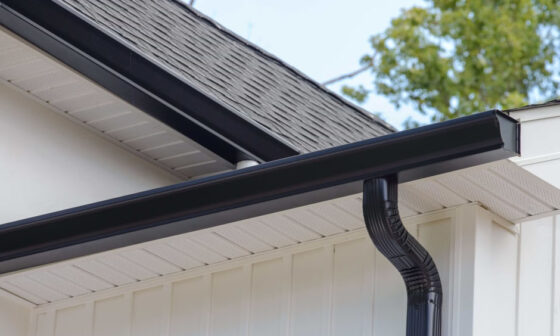
Dark Grey/Charcoal: Stylish but Heat-Absorbing
Dark grey/charcoal colour roofs remain one of the most popular choices for modern homes, and it’s easy to see why. The sleek, contemporary look pairs beautifully with brick, render, and timber cladding, and it gives a home a bold, streamlined appearance. Trusted roofing specialists south Brisbane offering expert installation, repair, and maintenance services quality craftsmanship, durable materials, and reliable solutions for every roof.
However, from a thermal performance standpoint, dark grey/charcoal colour roofing absorbs a considerable amount of solar radiation. Here’s what homeowners should know:
- Dark grey/charcoal colour roofs can run significantly hotter to the touch than lighter alternatives on a sunny day.
- Ceiling cavity temperatures tend to rise faster under dark roofing, which can push your air conditioning system to work harder.
- Homes with dark grey/charcoal colour roofing benefit greatly from good roof insulation and ventilation to offset the extra heat load.
- If you love the look but are worried about heat, pairing this colour with reflective paint coatings can help reduce some of the thermal impact.
Dark grey/charcoal colour is a fantastic aesthetic choice, but it’s worth budgeting for extra insulation if cooling performance is a priority.
Woodland Grey: A Balanced Middle Ground
Woodland Grey has become an increasingly popular option for homeowners who want a colour that’s darker and richer than a pale neutral, but without the full heat-retention downsides of charcoal or black. It’s a mid-tone grey with subtle green undertones that blends naturally into a wide range of streetscapes and architectural styles.
From a summer performance perspective, Woodland Grey tends to offer a reasonable compromise:
- Woodland Grey reflects more solar heat than darker charcoal tones, helping to moderate roof surface temperatures.
- It still delivers a rich, sophisticated appearance that suits both traditional and contemporary homes.
- Homes with Woodland Grey roofing often experience more stable indoor temperatures compared to darker roof colours.
- It works particularly well in areas with bushland or natural surroundings, as the tone complements greenery and timber exteriors.
For homeowners wanting a darker, earthy aesthetic without the full heat penalty of charcoal, Woodland Grey is a smart middle-ground choice.
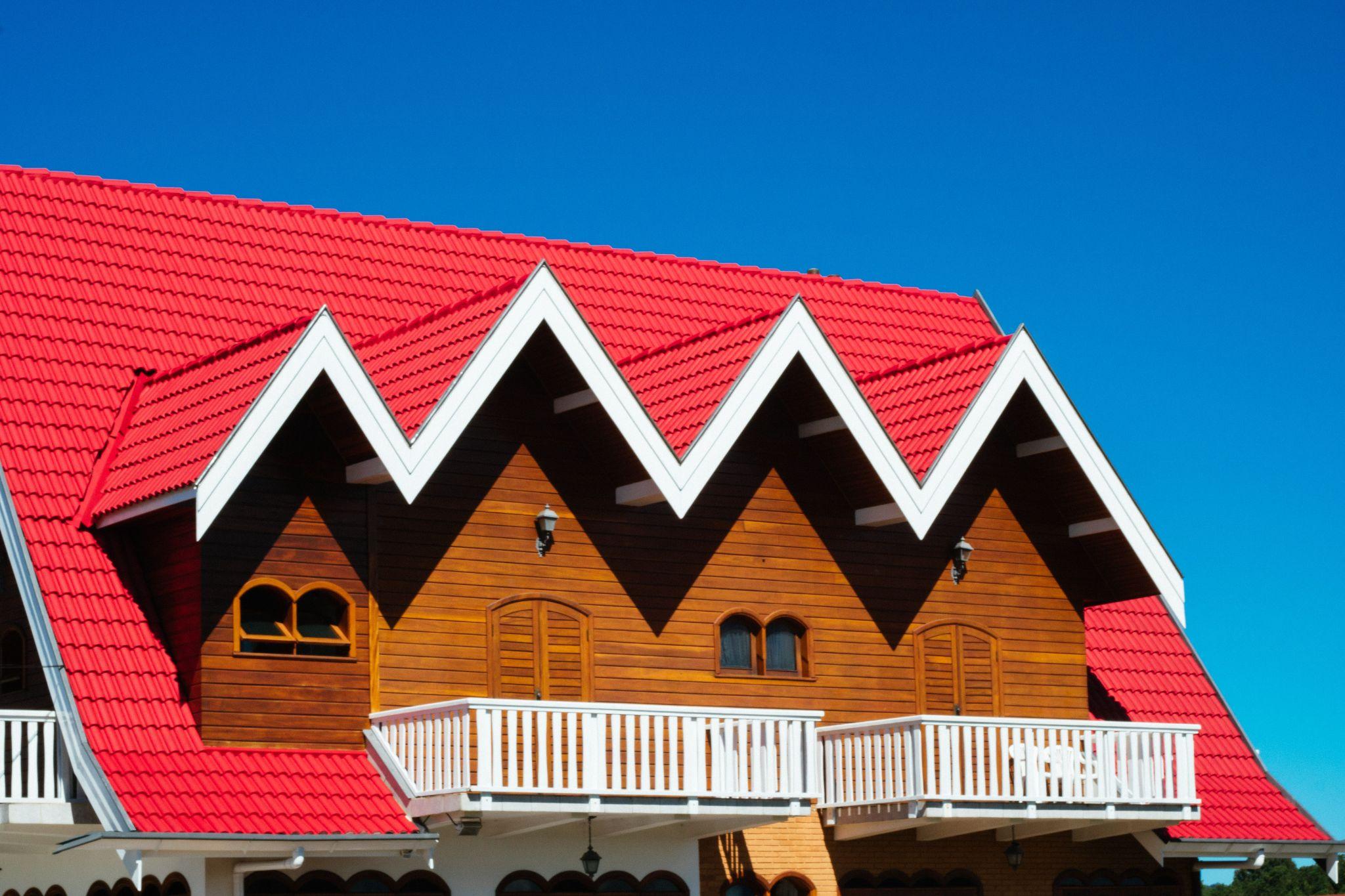
Manor Red: Classic Charm with Moderate Heat Performance
Manor Red is a timeless option, especially popular among homes with a classic or heritage-inspired design. It’s warm, terracotta-like red tone brings character and charm, and it remains a favourite for Colorbond roofing across many Australian suburbs.
In terms of summer heat performance, Manor Red sits in a moderate range:
- Manor Red has a mid-level solar absorptance, meaning it performs better than dark charcoal but doesn’t reflect as much heat as lighter neutral tones.
- It suits homes in cooler or temperate climates particularly well, where some heat retention in winter is actually a benefit.
- For hotter regions, pairing Manor Red with quality roof insulation helps manage indoor temperatures more effectively during summer.
- Its classic aesthetic makes it a popular choice for homes wanting a warm, welcoming street presence without going fully dark.
Manor Red offers a nice balance of visual warmth and moderate thermal performance, making it a versatile choice for many home styles.
So, Which Colour Keeps Your Home Coolest?
If cooling performance is your top priority, lighter and mid-toned colours generally outperform darker shades. Based on the three colours discussed:
- Dark grey/charcoal colour looks striking but absorbs the most heat — best suited to homes with strong insulation and ventilation.
- Woodland Grey offers a good balance between a darker, elegant look and improved heat reflectance.
- Manor Red performs moderately, with warmth that suits temperate climates and character-driven home designs.
Ultimately, the “best” colour depends on your climate, your home’s insulation, your personal style preferences, and how much weight you place on energy efficiency versus aesthetics. In many cases, the right paint system or protective coating can also improve the thermal performance of any colour, helping reduce heat absorption regardless of the shade you choose.
Getting Expert Advice for Your Roof
Choosing a roof colour isn’t just about picking what looks good in a brochure — it’s about understanding how that colour will perform on your actual roof, in your specific climate, with your home’s unique insulation and ventilation setup. A professional assessment can help you weigh the trade-offs between style, heat performance, and long-term maintenance.
If you’re weighing up your options between dark grey/charcoal, Woodland Grey, Manor Red, or any other roofing colour, the team at Brisbane Roof and Paint can help you choose a shade that keeps your home comfortable all summer long while still delivering the look you want.