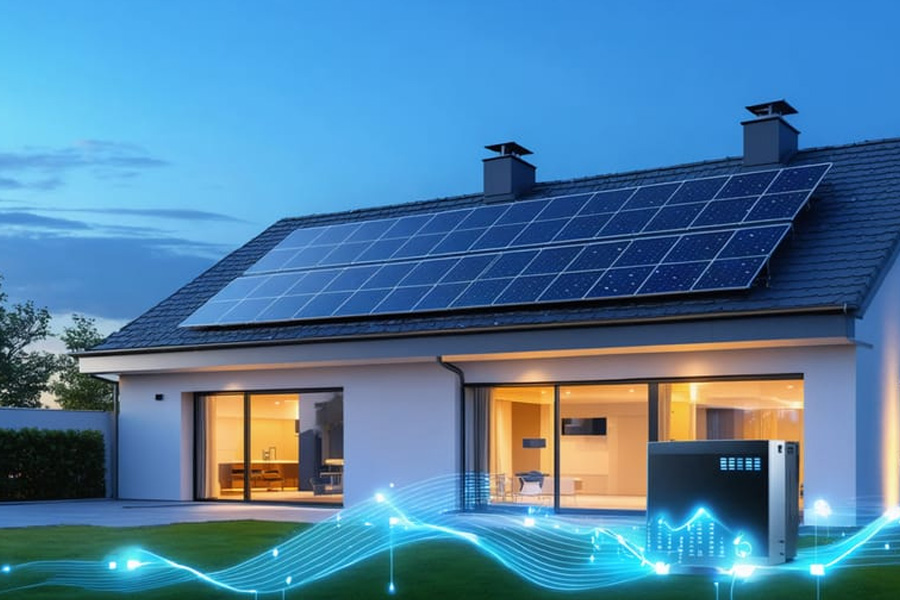
What Whole-Home Solar Backup Really Does
Electricity prices can feel like shifting sand. One month the bill is calm, the next it swells without warning. Whole-home solar backup systems give households a way to plant their feet. By storing excess energy produced during daylight hours, these systems supply power after sunset and during periods when utility rates are highest. The result is steadier spending, fewer unpleasant surprises, and a sense of control that makes daily life more comfortable.
A whole-home solar backup system combines rooftop panels with a battery and an energy management brain. During the day, panels generate electricity. The home uses what it needs, and the system stores the rest. Later, when the grid gets busy and prices climb, the stored energy steps in. Families rely less on utility power during expensive hours, and the monthly bill begins to reflect smart use rather than market swings.
How Stored Energy Cuts Monthly Costs
Households pay more when they draw power during peak times. That is often in the evening when lights, appliances, and entertainment all compete for energy. A battery changes the rhythm. Instead of buying more from the grid when prices are high, the home taps its stored sunlight. This is simple energy arbitrage. Make or store energy when it is plentiful, use it when it is costly.
This shift lowers average costs across the month. By reducing dependence on grid power during peak periods, families replace expensive kilowatt hours with self-produced energy. Because a portion of daily demand is met by stored power, the overall bill becomes more predictable. A battery acts like a reservoir, smoothing out the highs and lows, keeping the household budget anchored.
Outsmarting Peak Pricing Without Sacrificing Comfort
Peak hours often arrive when panels slow down or stop producing. That is precisely when a battery is most valuable. The system senses demand and draws from storage to supply the home. Evening meals, laundry cycles, and entertainment do not need to become budget battles. Regular routines continue while the grid takes a back seat.
Homes that tend to consume a lot of energy after sunset see pronounced benefits. When appliances run during the evening, battery power offsets the utility rate. By covering those busy hours with stored energy, the household reduces reliance on the grid without cutting back on comfort. The approach is invisible by design. You live normally while the system quietly chooses the most cost effective source.
Smarter Nighttime Energy And Longer Battery Life
Efficient use of stored power reduces waste and helps the battery last longer. Batteries have ideal operating ranges for charge and discharge. The energy management system keeps the routine steady, avoiding unnecessary deep cycles. That steady cadence preserves battery health while maximizing savings.
With thoughtful controls, the system prioritizes essential loads in the evening. Lighting, refrigeration, communications, and core outlets receive reliable power. Nonessential loads can be deferred or minimized automatically when storage drops. This balance protects the battery for the hours that matter and keeps the home comfortable. Over time, consistent performance supports long term savings.
Predictable Bills And Greater Independence
When a home produces and stores its own energy, it stops living at the mercy of the grid. The monthly bill becomes an outcome of household patterns, not just utility schedules and pricing rules. Even partial coverage from stored power can make a notable difference. Savings from peak periods accumulate, and volatility begins to fade.
Predictability has value beyond dollars. It reduces stress. Families can budget with confidence. Seasonal spikes hurt less because the system carries part of the load. In the background, solar panels and a battery keep working, even when the sun hides or the weather turns cold. Some days are abundant and fill the battery. Others are lean and draw it down. Over a full billing cycle, the rhythm balances out.
Power You Can Count On During Outages
Utility failures are silent. Whole-home solar backup systems help during storms and technical issues. Important devices stay online. Keep lights on. Cold food. Communication devices charge and link. From cooking to visiting family, daily tasks continue.
The psychological comfort matters as much as the practical benefit. With stored energy available, families do not feel trapped by external failures. A battery and proper controls can island the home, separating it safely from the grid while providing power. During extended outages, careful management stretches the stored energy. The home stays organized and safe without waiting in the dark.
How A Whole-Home System Works Behind The Scenes
A complete setup ties together panels, an inverter, a battery, and smart controls. Panels create direct current during daylight. The inverter turns it into alternating current for home use. The battery charges when there is surplus and discharges when needed. A gateway or energy management unit coordinates everything, automatically choosing between solar, storage, and grid power.
Safety features allow the system to disconnect from the grid during outages. This prevents backfeeding and protects utility workers. When islanded, the system powers the home’s circuits based on priorities and available energy. Some installations support all loads. Others focus on essential circuits to stretch runtime. In both designs, the continuous combination of generation and storage keeps power flowing in predictable ways.
Long Term Savings And Everyday Comfort
Savings do not arrive in a single burst. They build, month after month, as the battery covers peak periods and panels deliver consistent daytime energy. The compounding effect is real. Less grid power during expensive hours means lower average costs. Reduced volatility means easier budgeting. On busy days when demand spikes, the system absorbs the shock.
Comfort increases alongside savings. Families use electricity when they want to, not only when it is cheap. Outages become less frightening. Routines stay intact. The home feels steadier, like a ship with a strong keel. The battery provides a cushion, turning harsh waves into manageable ripples.
FAQ
What is a whole-home solar backup system?
It is a combination of rooftop solar panels, a battery, and smart energy controls that can supply power to an entire house. During the day the system produces electricity and stores any surplus. Later it uses that stored energy to run the home during peak rates or outages.
Does a whole-home system provide power during utility failures?
Yes, when installed with the proper safety equipment and controls, the system can island the home from the grid and deliver power from the battery. Essential appliances like lights, refrigerators, and communication devices can continue operating while the grid is down.
How does stored solar energy reduce monthly bills?
By shifting consumption away from expensive grid hours. The battery captures surplus solar during the day and supplies the home when utility rates are highest. This strategy reduces reliance on the grid during peak periods and lowers average monthly costs.
Will the battery last through the night?
Runtime depends on battery capacity, evening demand, and how the system prioritizes loads. Many homes can cover essential nighttime needs with stored energy. When demand is high or nights are long, the system balances battery output with grid support to maintain comfort while controlling costs.
What happens on cloudy or winter days?
Panel output drops when sunlight is limited, but the battery still helps by covering peak hours with whatever energy was stored. Over time the system smooths seasonal and daily variations. The energy management unit chooses the best source moment by moment to keep bills predictable and power reliable.
Can a whole-home system support all appliances at once?
It can be designed to support the entire home, but real performance depends on battery size, inverter capacity, and total demand. Many installations prioritize critical circuits so essentials remain powered while the system manages overall load to preserve stored energy.