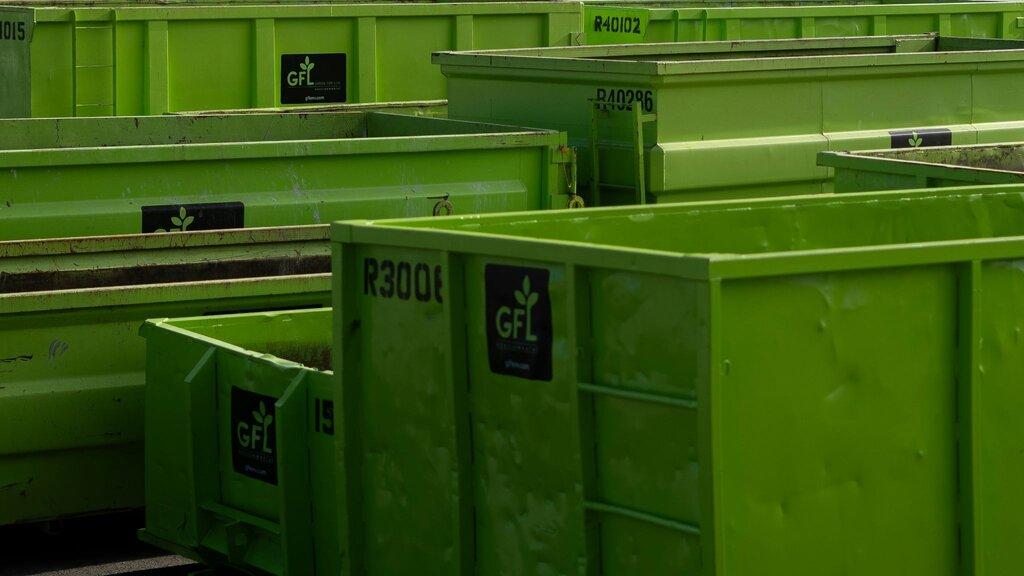
A skip bin is a skip bin, until the project is big enough that it isn’t. The standard residential skip that handles a bathroom renovation or a garden overhaul is a perfectly adequate solution for the job it’s designed for. Put it on a commercial construction site, a demolition project, or an industrial fitout, and it becomes apparent fairly quickly that the scale, the pace, and the type of waste being generated require something different.
Commercial and industrial waste removal isn’t just residential waste removal at a larger scale. It’s a different operational problem, with different requirements around bin design, weight capacity, access, and the logistics of keeping a busy site clear and productive. Understanding what those differences actually are helps project managers, builders, and business owners make better decisions about waste management before those decisions become urgent mid-project.
The Scale Problem
The most immediately obvious difference between residential and commercial waste removal is volume, and the speed at which that volume accumulates. A residential renovation might fill a skip bin over several days or a week. A commercial construction or demolition site can generate the same volume in a single working day, and it does so continuously across the full duration of the project.
Standard residential skip bins, typically in the two to ten cubic metre range, are sized for the intermittent, moderate waste generation of household projects. They work well when a skip can be delivered, filled over several days, and collected once full. They don’t work well when a site is generating waste faster than a residential bin can be cycled, or when the site needs a bin that can hold several days of output without requiring constant collection.
The response to this isn’t simply booking more residential bins. It’s choosing bins that are sized for the actual pace of waste generation on a commercial site, and that can be collected and replaced efficiently enough to keep the site clear without creating holding patterns where debris accumulates because the waste management solution can’t keep up with the project.
The Access and Loading Problem
Volume is one part of the commercial waste challenge. The other is how waste gets into the bin. On a residential site, loading a skip bin is usually a manual process: carrying items out and loading them by hand or with a wheelbarrow. On a commercial or industrial site, the scale of the material and the pace of the work make manual loading inefficient and sometimes impractical.
Commercial-scale skip bins, particularly the hook bin range used for larger projects, are designed with this in mind. The swing door design that characterises these bins allows wheelbarrows to be rolled directly into the bin rather than lifted over the side, which is faster, safer, and considerably less physically demanding for the workers loading them. It also allows machinery to deposit material directly into the bin when the volume and type of waste makes manual loading impractical.
For commercial and industrial skip bins operating on active construction sites, this access design isn’t a convenience feature. It’s a meaningful operational difference that affects how quickly the site can be cleared between work stages, how much labour time goes into waste management rather than productive work, and how safely the loading process happens when heavy or bulky materials are involved.
Weight, Material Type, and Why Commercial Waste Is Different
Commercial construction and demolition sites generate materials that are considerably heavier than typical residential waste. Concrete, bricks, steel, tiles, timber framing, and mixed demolition debris combine into loads that are dense in a way that general household waste isn’t, and that density has direct implications for how bins need to be specified.
A residential skip bin with a one to three tonne weight limit is adequate for the kind of waste a household project generates. The same bin on a commercial site would reach its weight limit long before it reached its volume limit, requiring collection and replacement far more frequently than the site’s pace can accommodate. Commercial hook bins with weight capacities of six tonnes per bin are designed specifically for the density of material that construction and demolition projects generate, reducing the frequency of collection while maintaining the volume capacity the site requires.
Weight overruns on commercial sites also carry cost implications that don’t exist in residential settings at the same scale. Excess weight charges apply when bins exceed their stated capacity, and on a site generating heavy material continuously, those charges can accumulate significantly if the bins chosen aren’t rated for the actual weight being produced. Matching the bin specification to the material type, rather than just the volume, is the decision that prevents those charges from becoming a meaningful cost line in the project budget.
What Keeping a Commercial Site Moving Actually Requires
A commercial site that runs well is one where waste removal is happening consistently enough that debris doesn’t accumulate to the point where it affects how work proceeds. This requires a waste provider whose operational capacity can actually match the pace of the site, not just the volume.
Reliable delivery and collection on the agreed schedule is the baseline. A bin that was meant to be collected on Tuesday and is still there on Thursday is a problem on a residential site and a significant disruption on a commercial one, where the site schedule, trade sequencing, and access for other vehicles all depend on the waste management component being predictable.
The ability to scale bin numbers and sizes as the project progresses is the next requirement. Commercial projects don’t generate waste at a constant rate. Demolition phases produce more than fitout phases. Structural work produces heavier material than finishing work. A provider who can adjust the bin specification across the life of a project, rather than requiring the same arrangement from start to finish, produces a better fit between the waste management solution and the project’s actual pace.
Why This Is a Logistics Decision as Much as a Cost Decision
The commercial waste management decision is often framed primarily around cost, and cost matters. But on a project where waste removal affects site productivity, trade sequencing, and the ability to meet a completion timeline, the cost of getting the waste management wrong consistently exceeds the cost of getting it right.
A site that stalls because bins are full and collection is delayed, or that generates excess weight charges because the bins were specified for volume rather than density, or that loses productive labour time to inefficient loading processes because the bin design doesn’t suit the material, is paying more for its waste management than the cost of a well-specified solution would have been.
The commercial waste decision made at the start of a project, with appropriate attention to volume, material type, access requirements, and provider reliability, is the one that pays back across the full timeline rather than creating costs that show up mid-project when the options for changing course are more limited.