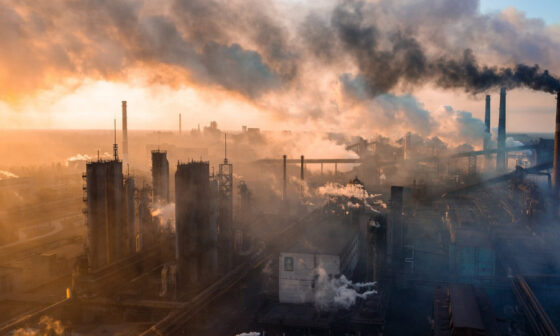
When workers spend hours in facilities where welding, painting, grinding, or chemical processing occurs, their exposure to hazardous air contaminants becomes a genuine occupational health concern. Industrial fume extractors address this challenge by capturing and filtering airborne pollutants at their source, creating safer breathing environments for employees. Understanding how these systems function reveals their critical role in protecting both worker health and overall workplace productivity.
1. Capture Fumes at the Point of Generation
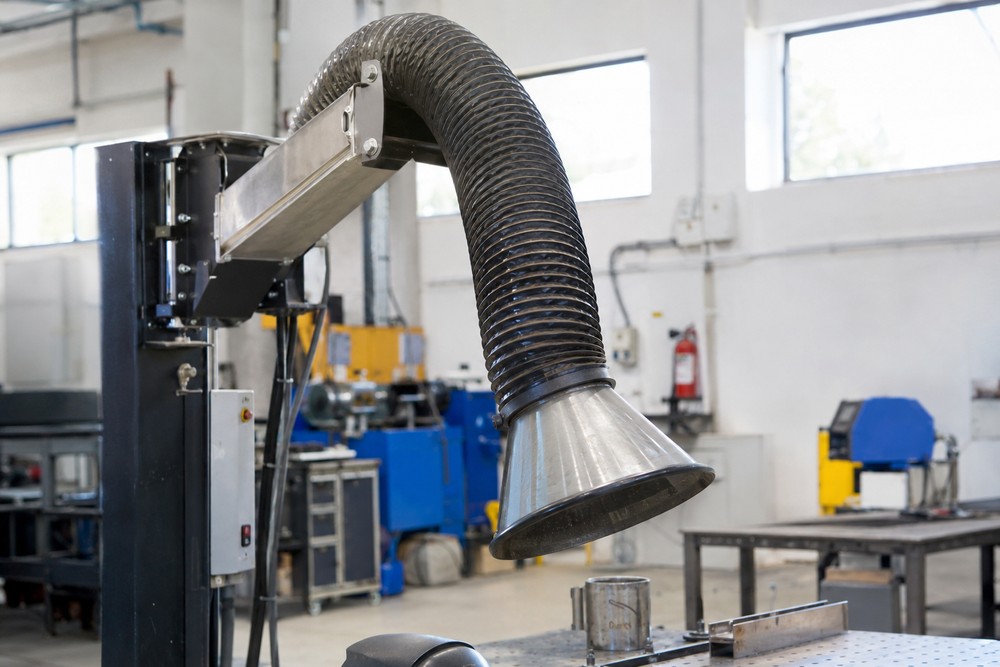
The capture efficiency of a fume extractor depends largely on proper equipment placement and ductwork design, which is why these systems work most effectively when positioned directly at the source of contamination. Whether mounted near welding stations, spray booths, or machining centers, they pull harmful particles and vapors into collection chambers before those contaminants disperse throughout the facility. A fume extractor installed too far from the source loses suction effectiveness, allowing pollutants to spread before collection occurs. Modern systems use flexible ducting and adjustable positioning to maintain optimal capture at various workstations. For example, a welding station might use a fume arm that can be repositioned as workers move around their workbench, ensuring consistent extraction regardless of the exact work location. This targeted approach reduces the overall ventilation load required, making the system more energy-efficient than relying on general facility-wide air handling.
2. Remove Harmful Particles and Chemical Vapors
Industrial fume extractors employ multi-stage filtration systems designed to trap different types of contaminants. The first stage typically uses a coarse filter to catch larger particles like welding spatter or grinding dust. Subsequent stages include fine particulate filters and, in many cases, activated carbon or chemical cartridges that absorb volatile organic compounds and other hazardous vapors. This layered approach ensures that both visible and invisible pollutants are captured.
Different industries require different filtration configurations based on their specific contaminants. A metal fabrication facility handling stainless steel generates different fumes than a woodworking shop creating sawdust. HEPA filters capture submicron particles that ordinary filters miss, while chemical cartridges target gases and vapors that pose respiratory and systemic health risks. Workers breathing filtered air experience fewer respiratory irritations, headaches, and long-term health complications associated with chronic chemical exposure. The effectiveness of this filtration directly correlates to reduced absenteeism and improved employee wellbeing across the facility.
3. Maintain Consistent Air Quality Standards
Regulatory agencies and occupational health organizations establish exposure limits for workplace air contaminants. During continuous welding, grinding, or chemical processing operations, facilities rely on industrial fume extractors to maintain air contaminant levels within acceptable ranges on a consistent basis, rather than allowing pollutants to accumulate gradually until they exceed safe thresholds. This proactive approach keeps facilities in compliance with regulations and protects workers from exceeding exposure limits.
Monitoring air quality requires understanding baseline conditions and tracking changes over time. Facilities with installed fume extraction systems can demonstrate to regulatory inspectors that they actively manage their air environment. The documentation of extraction system usage, filter replacement schedules, and maintenance records provides evidence of commitment to workplace safety. For example, a fabrication shop that implements source capture for all welding operations can show consistent reduction in airborne metal fumes throughout the facility. This creates a measurable safety record that protects the company from potential citations and demonstrates responsible workplace practices to employees and customers alike.
4. Reduce General Facility Ventilation Burdens
When fumes are extracted at the source before spreading throughout the workspace, the burden on general building ventilation systems decreases significantly. Facility-wide HVAC systems must handle fewer contaminants because localized extraction has already removed most pollutants. This efficiency gain translates into lower energy consumption for ventilation, since the HVAC system can operate at reduced capacity while still maintaining acceptable air quality throughout the facility. Lower energy use directly reduces operational costs and the facility’s environmental footprint.
The relationship between source capture and overall building ventilation creates a more balanced and efficient air management strategy. Without localized fume extraction, a general ventilation system must process extremely large air volumes to dilute and remove contaminants, consuming substantial energy in the process. Source-capture fume extraction accomplishes the same protective outcome with considerably less total airflow. This allows facility managers to optimize their HVAC systems for comfort and general air circulation rather than struggling against constant pollution loads. The long-term cost savings from reduced energy consumption often help justify the initial investment in extraction equipment within a reasonable payback period.
5. Enable Worker Comfort and Productivity
Employees who work in environments with poor air quality experience physical discomfort that affects their performance and morale. Excessive fumes cause eye irritation, respiratory discomfort, and headaches that distract workers and reduce focus on their tasks. Fume extraction eliminates these irritants, creating a more comfortable work environment where employees can concentrate on their jobs without breathing-related distractions. Comfortable workers demonstrate higher productivity levels and require fewer breaks to recover from chemical irritation.
The psychological impact of visible air quality improvements also influences employee satisfaction and retention. Workers who see that their employer has invested in fume extraction equipment understand that management cares about their health and safety. This investment in workplace conditions reduces turnover, since experienced employees are more likely to remain with a company that prioritizes their wellbeing. Additionally, facilities with superior air quality find it easier to recruit skilled workers, as job seekers factor working conditions into their employment decisions. The combination of improved health outcomes, increased productivity, and enhanced employee satisfaction creates multiple benefits that extend far beyond simple air quality metrics.
Conclusion
Industrial fume extractors serve as essential tools for protecting worker health and maintaining productive, compliant facilities. By capturing contaminants at their source, removing harmful particles and vapors through multi-stage filtration, and maintaining consistent air quality standards, these systems create safer breathing environments throughout industrial workspaces. The resulting reductions in facility ventilation burdens and improvements in worker comfort and productivity demonstrate that air quality investments benefit both occupational health and business performance. Facilities serious about protecting their workforce and optimizing operations should evaluate how industrial fume extraction systems align with their specific air quality challenges and long-term operational goals.