Two days after moving into a 1970s rambler near the fairgrounds, a friend noticed his kitchen outlets felt warm to the touch. He unplugged everything and called around. The first three companies quoted wildly different prices and only one asked what year the house was built. That single question told him more than any website.
Puyallup sits in a stretch of Pierce County with an unusual mix of aging wiring, newer construction near the river, and a wet climate that quietly punishes anything installed without a proper seal. If you’re lining up electrical services in Puyallup, the hiring decision matters more than the brochure. Here’s how to make it in an afternoon instead of a month.
You’ll get a shortlist of questions that separate real shops from phone-answering services, a rough sense of what drives a quote up or down, and a checklist you can run through before anyone touches a breaker panel.
The problem with “same day” promises
A contractor who answers on the first ring is useful. A contractor who answers on the first ring and then shows up without a permit is a liability. Washington requires a licensed electrical contractor for most residential work, and every working electrician holds a certification issued by the state. You can verify both through the Department of Labor and Industries, and it takes about ninety seconds.
Do that check before the truck arrives. I’d rank it above reviews, above the pitch, and above whoever your neighbor swears by. Reputation fades; a lapsed license is a hard stop.
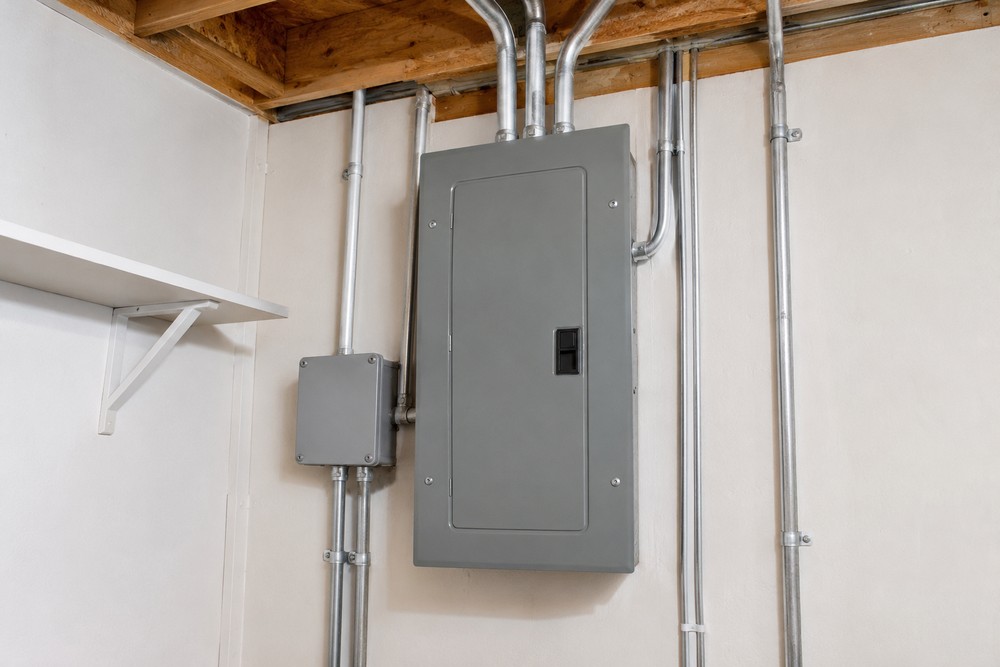
In older Puyallup neighborhoods, the bigger issue isn’t licensing at all. It’s what’s hiding behind the drywall. Aluminum branch wiring, two-prong outlets, panels that were modern when a garage door opened by hand. None of that surfaces in a five minute walkthrough, so ask directly: what will you check before you quote?
What a good electrician checks on the first visit?
The answer should sound specific. A dependable electrician walks in, looks at the panel, tests outlets on more than one circuit, and asks whether anyone has added a hot tub, an EV charger, or a finished basement in the last decade. Those additions are where overloaded circuits usually start.
Bring up your real usage while they’re standing there. You’re about to run a window air conditioner in a bedroom with a single circuit, or you’re planning a shop in the garage with a welder. Small details change the scope, and a quote built on vague assumptions is the one that grows later.
- Ask when the panel was last labeled, and whether they’ll photograph it.
- Confirm whether a permit is included in the number, not billed separately.
- Find out who does the work: the same crew, or a rotating subcontractor list.
- Request the written scope before you sign, including what’s excluded.
- Ask how they handle discovery of a problem mid-job.
That last question is the one I’d ask before anything else. Every renovation hides a surprise. The difference between a good shop and a bad one is the phone call that comes before the charge, not after it.
Reading a quote like someone who plans to stay
Two line items tell you a lot about a contractor’s honesty. The first is the permit line. The second is the disposal line for old panel components and fixtures. Shops that hide both in a lump sum tend to pad the lump sum.
Get three quotes, but compare the scope, not the total. A $2,400 bid that includes a permit, a labeled panel, and hauling away the old equipment can beat a $1,700 bid that quietly excludes all three.
A quick example from a South Hill remodel
A homeowner renovating a basement in a house built in the late 1970s got two bids. The cheaper one covered new outlets and a lighting run. The pricier one also replaced a panel with no available breaker space and added a circuit for a future dryer. Six months later, the first homeowner paid more than the difference to have a second crew come back out and open the same wall.
That isn’t a sales pitch for the expensive bid. It’s a reminder that panel capacity becomes a bottleneck fast in older homes, and adding a circuit later costs more than adding it during an open-wall phase.
Safety, arc faults, and the rules that actually apply
Most of the code that governs residential wiring lives in the National Electrical Code, and Washington has adopted its own edition of it. Publishing and updating that standard is the work of the National Fire Protection Association, which is why you’ll see arc fault and ground fault protection come up in nearly every conversation about kitchens, bedrooms, and outdoor outlets.
You don’t need to memorize any of it. You do need to know that arc fault breakers exist, that they trip for reasons, and that a contractor who rolls eyes at the idea of installing them is telling you something about how they read the code.
Ask for a whole-house safety inspection if your home predates the 1990s and you’ve never had one. It’s the cheapest hour you’ll ever buy. A panel photograph and a printed list of findings give you a baseline you can compare against in five years.
Weather, soil, and the local quirks nobody mentions
Puyallup gets soaked. Water and electricity in the same outdoor box are a long-term problem, and the failures almost never look dramatic. They look like a rusted outdoor outlet cover, a junction box that fills with condensation, or landscape lighting that flickers after every storm.
The Occupational Safety and Health Administration treats water contact and electricity as a known hazard in every trade it oversees, which explains why outdoor boxes and fittings carry specific ratings. When an electrician quotes exterior work, ask whether the parts are rated for wet locations and whether the installation accounts for drainage. That’s a five second question with real consequences.
Soils around here also shift with the wet and dry seasons, which gradually loosens conduit and can stress buried lines feeding a detached garage or shop. If your property has any buried electrical run, mention it during the first call.
Questions I’d ask before anyone touches the panel
Print this and keep it on the counter. Anyone who finds it annoying isn’t the person you want in your crawl space.
| Question | Why it matters |
|---|---|
| Is your license current and verifiable? | Protects you if something goes wrong later |
| Will you pull a permit for this scope? | Permits trigger inspection, which catches shortcuts |
| What’s excluded from this quote? | Prevents the mid-job surprise invoice |
| How will you handle a hidden problem? | Tells you whether you’ll get a call first |
| Will you label the panel and leave photos? | Saves every future trade an hour of guessing |
One more: ask what happens after the job. A shop that offers a call-back window for anything that trips or flickers is signaling confidence. A shop that goes silent after final payment is telling you everything.
When the cheapest call costs the most
Pair the right shop with the right scope and the whole project feels boring, which is exactly what you want from electrical work. Nothing sparks, nothing trips, and the panel finally has labels you can read.
Puyallup rewards homeowners who ask direct questions and demand permits. The wiring in this town is a mix of old and new, and so are the contractors. Do the license check, insist on a written scope, and get the inspection if your house is old enough to need one.
What’s the one thing in your house you’ve never had checked? Start there, and call someone who asks about the year it was built.