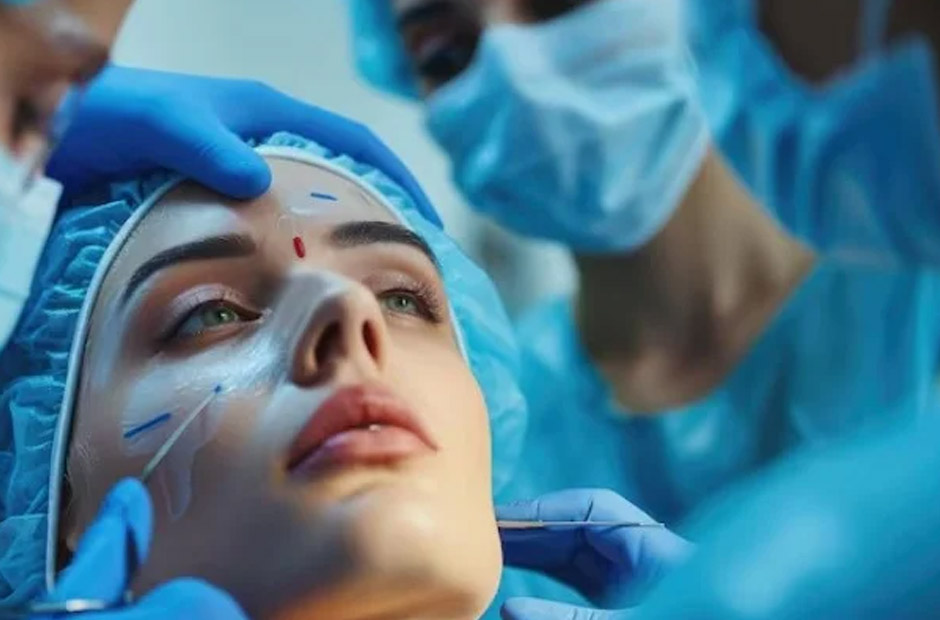
Technology powers imaging, record keeping, payment processing, and other aspects of modern plastic surgery. Surgeons use computerized systems and data-driven tools alongside visual and conventional evaluations to plan and perform procedures like facelifts. You can also receive visualizations of projected outcomes before committing to a procedure; this helps with decision-making. Here are a few roles of technology in modern cosmetic surgery procedures:
Image and Surgical Planning
Traditional planning relied on flat imaging and subjective surgeon interpretation; this approach limited depth and detail during consultations. Modern surgeons use three-dimensional imaging systems powered by computer-aided design (CAD), which can create layered visual models. These simulations are used in reconstructive and cosmetic plastic surgery, allowing surgeons to study facial structures and body proportions in detail.
CAD systems map out incisions and simulate outcomes based on anatomical data and movement. Your surgeon can adjust before making any incision; this reduces uncertainty and improves consistency across procedures like face and body surgery. The process also allows you to review simulations and ask targeted questions, providing clearer communication, especially concerning expectations.
Data-driven analysis makes results more predictable, even in complex cases. Although results still vary, previewing outcomes and adjustments leads to better alignment between your goals and surgical execution. Surgeons today rely on digital imaging and simulations to plan procedures like rhinoplasty, breast reconstruction, and Botox.
Body Contouring and Fat Removal
Surgical procedures like liposuction help sculpt the body by removing undesirable fat. Your surgeon may recommend it to remove fat from areas that don’t respond to workout and nutrition; this includes:
- Abdomen
- Waist and hips
- Buttocks
- Thighs and knees
- Chin, cheeks, and neck
- Upper arms
Surgeons use ultrasound-assisted liposuction (UAL), which targets fat while protecting surrounding tissues. Other technologies used in body contouring procedures, such as abdominoplasty, arm lifts, and body lifts, include cryolipolysis and laser-assisted liposuction. Cryolipolysis freezes and eliminates fat cells without incisions, while laser-assisted liposuction breaks down fat cells using laser energy. Surgeons may also use tumescent and super wet liposuction, which involves injecting anesthesia or saline fluids to help make fat extraction safer.
Less-Invasive and Non-Surgical Procedures
Technologies like laser, ultrasound, and microneedling help reduce the need for advanced surgery. Laser surgery and ultrasound-assisted treatments involve smaller incisions; this reduces tissue disruption and may shorten recovery time. Modern tools also allow surgeons to target specific areas during procedures like rhytidectomy and blepharoplasty, reducing strain on surrounding tissue.
Recovery and Post-Operative Monitoring
Plastic surgeons use technology to help with patient monitoring, recovery, and follow-up care. Real-time monitoring tracks your healing progress and identifies complications early; this supports proactive interventions and safer outcomes. Surgeons can adjust aftercare plans based on real-time updates, resulting in improved comfort and results.
Some clinics use artificial intelligence to analyze patient data and predict recovery patterns. The collected data contributes to broader research over time, allowing surgeons to refine techniques for procedures like breast augmentation and forehead lifts. Technologies like videoconferencing and live chat also support real-time communication with your surgeon.
Get Started With Plastic Surgery Today
Modern technology is behind most activities that take place at a plastic surgeon’s clinic, from appointment scheduling to aftercare. Health records and communication are managed virtually, scanning and imaging use digital tools, and analysis also depends on computerized systems. Even procedures like Botox filling and removal involve precision microinjection devices. Speak to a surgeon today to find out more about cosmetic and reconstructive plastic surgery.