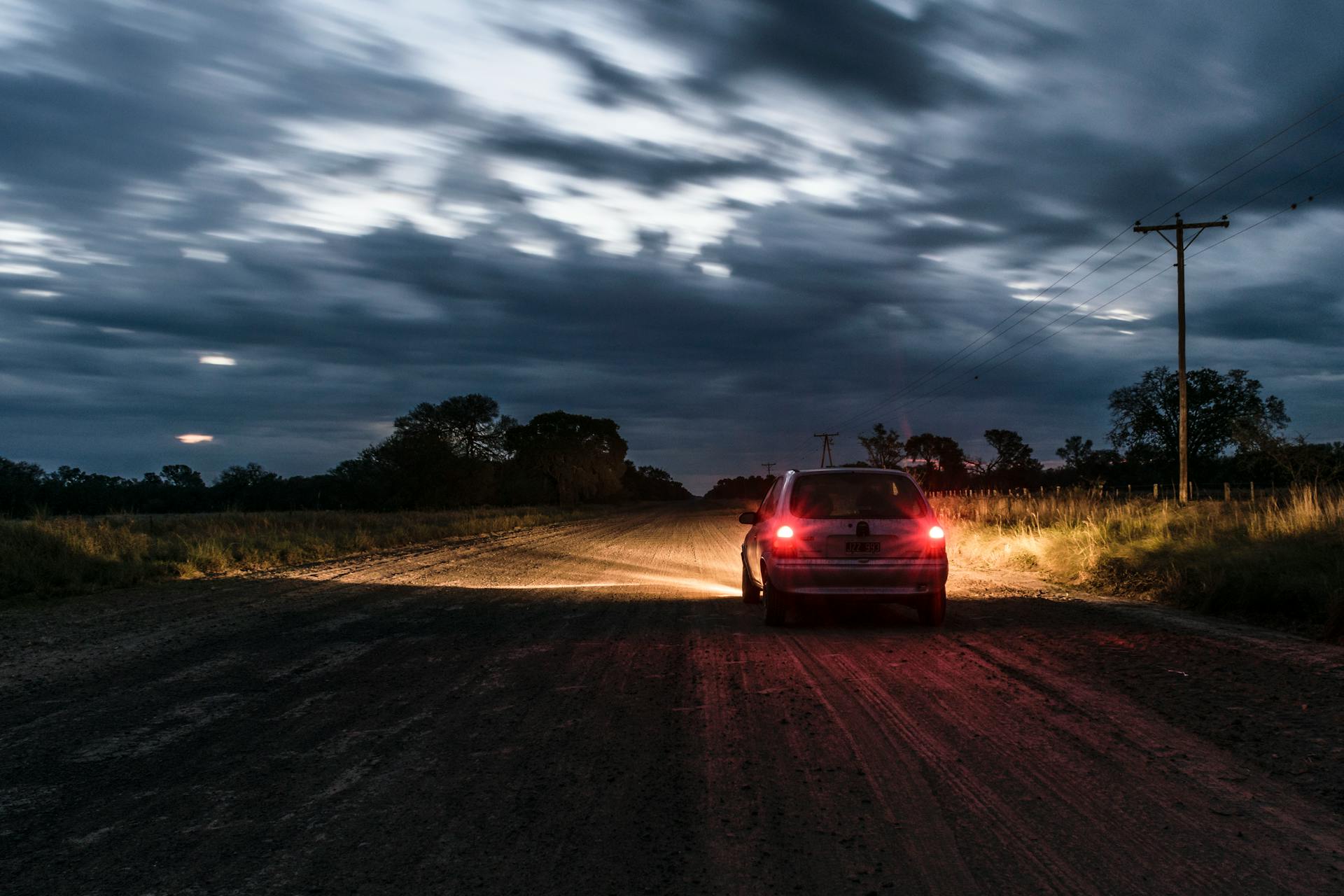
A car breaking down in the middle of the night can turn a normal drive into a stressful experience within minutes. Roads feel quieter, help may seem farther away, and even a small issue can become overwhelming when you are stuck in the dark. Staying calm and making smart decisions can protect both your safety and your vehicle. Different situations call for different actions, and knowing what to do ahead of time can make a difficult moment much easier to manage.
In this article, we’ll explore some practical ways to handle a midnight car breakdown safely and confidently.
Move Your Vehicle to a Safer Spot if Possible
When your car suddenly gives out at night, your first instinct might be panic. But if the vehicle is still moving, even slowly, try to guide it toward a safer location. A parking lot, gas station, wide shoulder, or side street is always better than sitting in the middle of traffic with cars flying past you.
You should also pay attention to the surface around you. Pulling over near sharp curves, dark hills, or narrow bridges can make it harder for other drivers to notice your car in time. If the engine is making strange noises or smoke is coming from under the hood, avoid pushing the vehicle too far.
Know When It’s Time to Hire a Towing Service
Some breakdowns leave you with little choice but to call for professional help. If your engine overheats, your transmission fails, or your tire damage is too severe to manage safely, trying to continue driving can make things worse. You may save yourself from a much larger repair bill simply by having the car towed right away.
Many drivers hesitate because they worry about cost, but towing is often more affordable than people expect. Average car towing rates usually fall somewhere between $75 and $125 for about 10 miles. Still, prices can rise depending on your location, the time of night, or extra mileage, so it’s smart to ask about additional charges before confirming service.
Keeping the number of a reliable towing company saved in your phone can save you from scrambling during an emergency.
Use Hazard Lights and Roadside Signals Correctly
Hazard lights are one of the simplest safety tools in your car, yet many drivers do not use them properly during breakdowns. Once your car stops, switch them on immediately to alert approaching vehicles. At night, those flashing lights can help other drivers spot you much earlier.
If you keep reflective triangles or road flares in your emergency kit, they can add another layer of visibility. Placing them several feet behind your car gives drivers more time to slow down or change lanes. This becomes especially useful during rain, fog, or poorly lit road conditions.
You should also avoid standing too close to moving traffic while setting up signals. Passing vehicles can drift closer than expected, particularly on highways.
Stay Inside the Car in Unsafe or Isolated Areas
There are times when staying inside your vehicle is the safest choice. If you break down in a deserted area late at night, walking around alone or trying to flag down strangers may put you in an uncomfortable situation. Locked doors and rolled-up windows give you a layer of protection while you wait for help.
If someone approaches and offers assistance, you do not have to open the door immediately. You can speak through a slightly lowered window or simply let them know roadside assistance is already on the way. Most people mean well, but staying cautious is always a good idea when you are alone at night.
Keep an Emergency Kit Ready for Nighttime Problems
A basic emergency kit can make a huge difference during a nighttime breakdown. You do not need anything fancy, but a few practical items can make waiting easier and safer. A flashlight with working batteries helps you inspect the car or signal for help without relying entirely on your phone’s light.
A portable phone charger becomes useful very quickly when you are making calls, checking maps, or updating someone on your location. You should also keep water, a small blanket, jumper cables, and a reflective vest in your car. If temperatures drop or help takes longer than expected, those items can bring real comfort.
Many people assume breakdowns will never happen to them until they are suddenly stuck in the dark, wishing they had prepared earlier.
Handling a Dead Battery
A dead battery can catch you off guard, especially late at night when nearby help is limited. Maybe the headlights were left on too long, temperatures dropped suddenly, or the battery was already close to giving out. Whatever caused it, your first reaction should be patience instead of repeatedly turning the key in frustration. Constant attempts to restart the engine can drain the battery even further and make recovery harder.
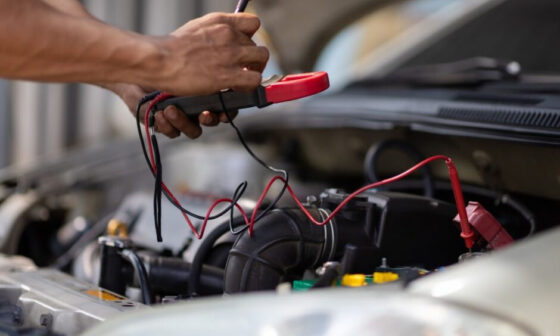
If you carry jumper cables and another driver is willing to help, take a moment to connect everything carefully. Mixing up the cables can damage electrical components in both vehicles. Your owner’s manual usually includes the correct order for attaching and removing the cables, and following it can save you from a much bigger problem.
Portable jump starters are also becoming more common, and they are especially useful during late-night emergencies when nobody else is nearby. A small device tucked into your trunk can save you from hours of waiting. Once the car restarts, avoid shutting the engine off immediately. Driving for a while gives the battery time to recharge, though an older battery may still need replacement soon.
Learn the Warning Signs That Often Happen Before a Breakdown
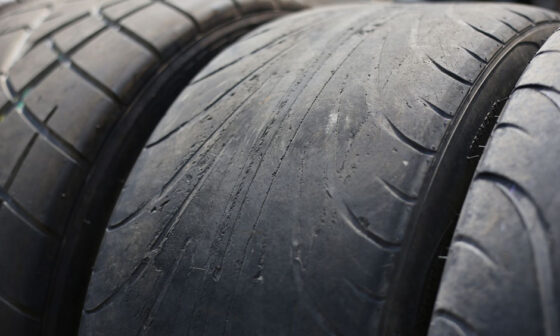
Cars rarely fail without giving some kind of warning first. Strange sounds, dashboard lights, burning smells, weak acceleration, or flickering headlights often appear before a serious breakdown happens. The problem is that many drivers ignore those signs because the car still seems “good enough” to drive.
Paying attention to small changes in how your vehicle behaves can help you avoid getting stranded late at night altogether. If your battery struggles to start in the morning, your brakes feel unusual, or the engine temperature keeps climbing, it is worth checking before the issue gets worse.
Routine maintenance may not seem urgent when life gets busy, but small repairs are usually easier and cheaper than dealing with a breakdown on a dark road.
People don’t usually plan for a midnight car breakdown, yet those moments have a way of reminding you how important preparation and awareness really are. A little caution, a charged phone, a trusted towing contact, and a few emergency supplies can completely change how you experience an unexpected stop after dark. You do not need to know everything about cars to protect yourself in those situations. Staying calm, thinking clearly, and making smart choices can help you get through the night safely.