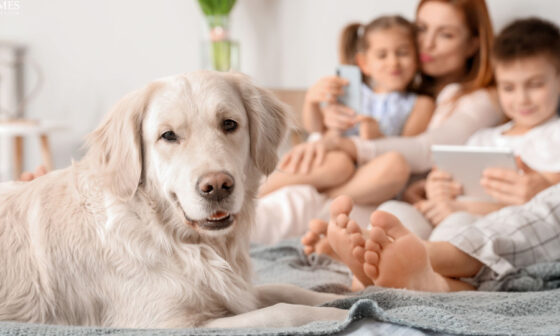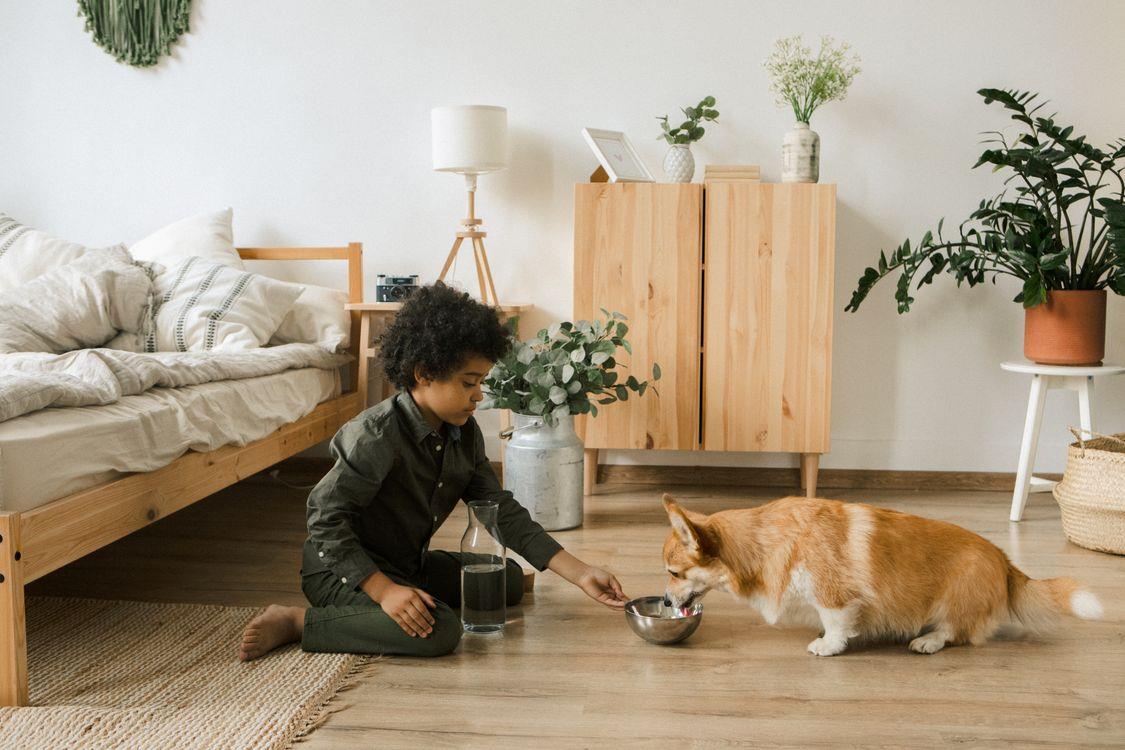
Creating a home that feels truly comfortable for your pet starts with paying attention to how they experience the space. Pets notice things we often overlook, such as slippery floors, loud corners, or tight walkways that make movement awkward. A welcoming environment gives them room to move freely, rest deeply, and feel secure throughout the day.
Small adjustments often bring noticeable improvements. Moving a chair to open up space, relocating a bed away from heavy foot traffic, or organizing storage to reduce hazards can instantly lower stress. A pet that feels secure at home tends to be calmer, more confident, and healthier over time.
Pet-Friendly Layout and Clear Pathways
A well-planned layout makes a strong first impression on your pet. Open walking areas allow them to travel from room to room without hesitation. Furniture should create natural pathways rather than block them. Pets, especially older ones, benefit from predictable routes they can memorize and trust.
Clutter often creates unnecessary obstacles. Shoes, bags, or stacked items near entrances can confuse pets or cause minor injuries. Keeping commonly used areas clear reduces tension and encourages relaxed movement. Food and water bowls deserve stable placement in quiet spots where they will not be kicked or interrupted.
Professional Decontamination and Safe Recovery
Cleanliness plays a central role in comfort. Dust, fur, and lingering odors influence both air quality and overall mood. Regular vacuuming and wiping surfaces with pet-safe cleaners help maintain a fresh environment. Feeding stations and litter areas need consistent attention so they remain hygienic and inviting.
Sometimes, routine cleaning is not enough to address deeper contamination. Hidden residue and hazardous waste can linger in walls, insulation, or hard-to-reach areas. These situations require a more thorough and specialized approach. You can partner with a company that offers decontamination services to thoroughly sanitize affected areas and restore indoor spaces to a safe and healthy condition. Professional teams use proper equipment and targeted treatments to remove harmful residue that standard cleaning methods cannot eliminate.
Safe Flooring and Stable Surfaces
Flooring influences how secure a pet feels with every step. Smooth hardwood or tile can cause slipping, which leads to hesitation and strain on joints. Non-slip rugs placed in high-traffic areas provide traction and stability. Hallways and stair landings benefit from added runners that reduce the chance of sliding.
Regular nail trimming improves grip and posture. Pets rely on a steady footing to move confidently, especially as they age. Uneven boards or loose tiles should be repaired quickly to avoid discomfort. Stable surfaces encourage natural movement and reduce anxiety that may arise from unstable footing.
Comfortable Sleeping Zones
Rest shapes a pet’s mood and physical well-being. A quiet corner away from constant activity offers the peace they need to recharge. Beds should provide adequate cushioning, especially for pets with joint sensitivity. Placement matters just as much as the bed itself. Draft-free areas with moderate temperatures support deeper, uninterrupted sleep.
Seasonal adjustments also improve comfort. Lightweight bedding works well during warmer months, while thicker cushioning helps retain warmth in cooler seasons. Keeping sleep areas clean and consistently located builds familiarity. Pets relax more easily when their resting space feels dependable.
Safe Storage of Household Items
Household organization directly affects safety. Cleaning supplies, medications, and small objects should remain secured in cabinets or containers. Accessible hazards often lead to preventable emergencies. Thoughtful storage reduces risk without adding complexity to daily routines.
Decor and plants should also be chosen with care. Items within reach should be stable and non-toxic. Organized spaces allow pets to explore without constant restriction. A home designed with safety in mind creates an atmosphere where both you and your pet can relax with confidence.
Balanced Temperature and Air Quality
Indoor climate plays a major role in how relaxed your pet feels throughout the day. Rooms that feel too warm or too cold can cause restlessness and discomfort. Consistent temperatures create a stable environment where pets can settle without constantly shifting to find relief. Thermostats should reflect seasonal needs while keeping conditions moderate and steady.
Air circulation also deserves attention. Fresh airflow prevents stuffiness and supports easier breathing, especially for pets with thicker coats. Ceiling fans, open vents, and properly maintained filters help keep the atmosphere comfortable. Humidifiers can improve dry indoor air during colder months, while shaded areas inside the home provide relief during warmer seasons.
Noise Control and Calm Atmosphere
Sound affects pets more deeply than many owners realize. Sudden noises from appliances, televisions, or outside activity can trigger anxiety. Identifying common stressors allows you to reduce unnecessary tension. Placing beds away from loud equipment gives pets a more peaceful resting area.
Gatherings and celebrations often bring unfamiliar sounds and movement. Setting aside a quiet retreat space allows pets to withdraw when they need calm. Soft background noise, such as gentle music, can help mask disruptive sounds during storms or busy evenings.
Mental Enrichment and Safe Play Areas
Physical comfort matters, yet mental engagement completes the picture. Boredom can lead to destructive habits or restlessness. A designated play area keeps activity contained and safe. Clearing fragile items from that space allows pets to explore freely without constant correction.
Rotating toys maintains curiosity and prevents overstimulation from clutter. Puzzle feeders, climbing structures, or scratching posts provide healthy outlets for natural instincts. Short, focused interaction sessions strengthen your bond and encourage positive behavior.
A comfortable home for pets grows from practical choices made with intention. Clear pathways support confident movement. Clean spaces promote better health. Stable flooring protects joints and reduces stress. Quiet sleeping areas improve rest. Organized storage lowers the risk of accidents. Balanced temperatures and controlled noise create a soothing environment. Engaging play areas keep minds active and spirits steady.
Every adjustment contributes to a stronger sense of security. When pets feel safe in their surroundings, they relax more easily and behave more consistently. Thoughtful design does not require major renovation. It requires awareness, consistency, and a willingness to see your home through your pet’s eyes. That perspective transforms everyday living into something calmer and far more comfortable for everyone involved.