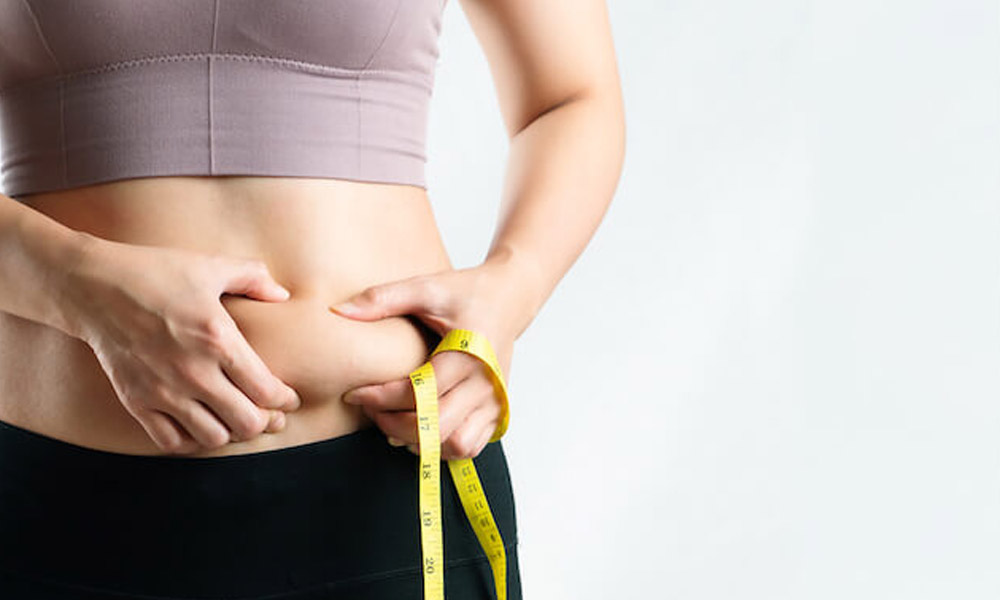
Ask ten people where fat actually goes when somebody loses weight, and the answers tend to land in roughly the same wrong neighborhood. It sweats out. It melts. It just sort of leaves. The biochemistry is weirder than that. According to researchers who’ve broken down how does fat leave the body, the bulk of it exits as exhaled carbon dioxide. The lungs do the heavy lifting. Which, fair enough, isn’t intuitive.
That single fact tends to scramble a lot of fitness folklore. Once it lands, the rest of the myths start looking flimsier.
The Sweat Lodge Theory
There’s a whole subgenre of advice built on this one. Wear more layers. Run hotter. Sit in the sauna afterward. The logic seems airtight, except sweat is a cooling system, not an exit route for fat. A heavy session might drop someone three pounds on the scale by lunchtime, and most of it returns by dinner once the body rehydrates.
A small slice of fat byproducts does leave through water (sweat, urine, the moisture in breath). But that’s downstream of the chemistry, not the cause of it. Imitating the symptom doesn’t trigger the cause.
Cardio, And Only Cardio
This one deserves a longer detour, because the misunderstanding runs deep.
Plenty of people treat the treadmill as the primary fat-loss tool and strength work as some optional add-on for people who care about appearance. Backwards, arguably. Lean muscle is metabolically expensive tissue. The body spends energy maintaining it even at rest, which raises the baseline burn around the clock. The CDC recommends at least 150 minutes of moderate aerobic activity a week alongside two days of muscle-strengthening work, and that second half is where most people quietly opt out.
Side note, because it’s a familiar theme: low-intensity walking is wildly underrated in this conversation. The metabolic gains from just moving more during the day often outpace the gains from a structured workout three times a week. It’s not glamorous advice. Which might be why a long walking-based holiday often does more for somebody’s body composition than the gym membership they barely use.
Fat Becomes Muscle
No.
Different tissues. A person can lose fat and gain muscle in roughly the same window, and the visual result genuinely does look like one turned into the other. It didn’t. They’re two parallel processes that happen to share a stage.
Sleep Isn’t Really Part Of This
It might be the biggest one, honestly.
Short sleep messes with the hormones that govern hunger and satiety, which makes the next day’s eating decisions noticeably harder. Research summarized by Harvard Health suggests well-rested adults consume meaningfully fewer calories than chronically sleep-deprived ones, without trying. A free lever, more or less. Nobody’s monetizing rest the way they monetize protein powder, which probably says something.
So those are four. There are more. The real point isn’t a tidy list, it’s that the body’s fat-loss machinery is quieter and stranger than the fitness industry tends to let on.