A city break recharges you for a day. A gym routine can maintain a healthy mind. But spending a week on a European walking trail has rejuvenating qualities that neither of those can come close to. The evidence is specific, and it’s worth understanding why.
Nature immersion and attention restoration
In 1989, researchers Rachel and Stephen Kaplan proposed something that still holds up to this day: natural environments offer what they called soft fascination, a low-demand sensory engagement that lets the prefrontal cortex rest. Not sleep. Rest. Directed attention, which is the kind required for decisions and managing others back in the workplace, depletes faster than most of us care to acknowledge. A single afternoon of forest bathing in a park isn’t quite enough (though, it’s still recommended).
The restoration effect of sustained exposure for many days in a row is irreplaceable. That’s what a walking holiday across Europe provides, be it coastal paths one day and forested valleys the next, and it’s why the mental health outcomes sit in a different category from a weekend break in a busy, polluted capital city.
The psychology of purposeful walking
Not all walking is equal. A one-hour walk on and off the metro on the way to work is not equivalent to an hour forest walk. Walking toward a defined endpoint (a route with stages) engages meaning-making in a way that aimless exercise doesn’t. This means some adversity and meaningful suffering with an achievement as the outcome.
The Camino de Santiago is the ultimate example here because pilgrims (secular and religious) consistently report improved well-being at journey’s end. Researchers find that the structure itself is useful here, like the daily departure rhythms and passport stamps. They’re small mini-rewards that keep you going, along with predictable decisions that reduce cognitive load while maintaining forward momentum.
Operators like Orbis Ways arrange accommodation and luggage transfers between stages so that pilgrims can focus even more on the walking itself. Removing stressors where possible will only help with mindful rejuvenation.
Why crowd-free trails make a measurable difference
Walking holidays vary. Environmental noise and visual crowding are stressors that sustain elevated cortisol and keep the sympathetic nervous system partially activated.
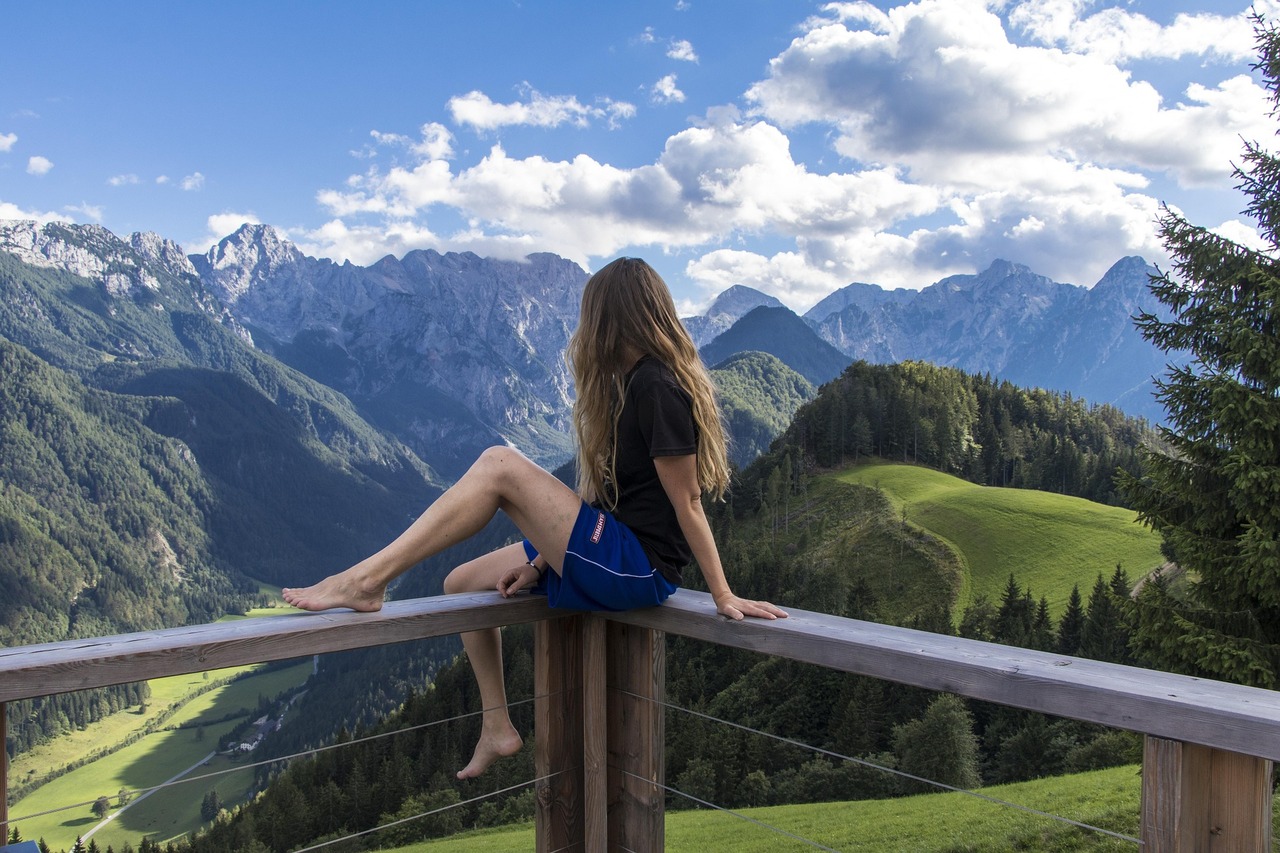
Slovenia’s Julian Alps are one of the better examples of genuinely low-stimulus walking in Europe. Between Lake Bled and Lake Bohinj through Triglav National Park there is minimal road noise and less trail traffic (even at peak summer) than many alternatives. Likewise with Camino de Santiago, you may want to opt for a southern or coastal route to avoid crowds.
The mental health benefits of a walking holiday are grounded in evolution. We are moving animals that are used to migration. Sustained nature exposure, purposeful movement, low-stimulus environments, and personal autonomy are all important. Some level of adversity, but not too much, is useful for a sense of achievement, so long as it’s meaningful. Usually, navigating the terrain is more meaningful in its suffering than dealing with 7 different hotel booking confirmation emails, so using an agency is usually advised.