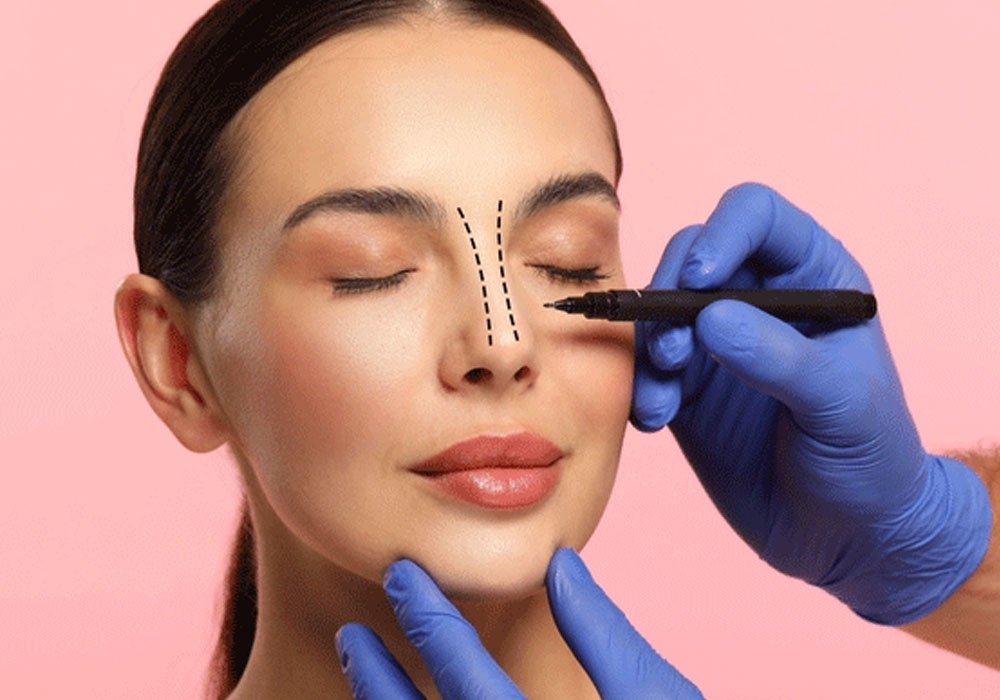
Rhinoplasty is a major step toward achieving your desired facial appearance. Many patients choose Stratus Plastic Surgery to learn more about the procedure and recovery process. Understanding what happens during the first year can help set realistic expectations.
The First Week After Surgery
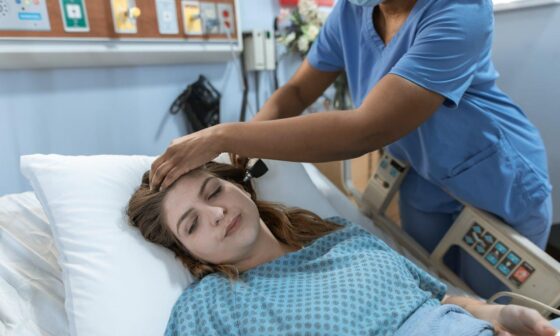
The first week is usually the most noticeable part of recovery. Swelling and bruising around the nose and eyes are common. Most patients spend this time resting and following their surgeon’s instructions.
A splint is often placed on the nose to protect the new shape. Breathing through the nose may feel difficult because of swelling. Mild discomfort is normal and can usually be managed with medication.
Many patients return to the surgeon for a follow-up visit. The splint is often removed during this appointment. Once it comes off, the nose may still look larger than expected due to swelling.
The First Month of Healing
Swelling begins to decrease during the first month. Bruising typically fades within a few weeks. Patients often feel more comfortable returning to work and social activities.
The nose may look different from week to week. This is a normal part of the healing process. Internal tissues are still adjusting to the surgical changes.
Light exercise may be allowed after approval from the surgeon. Activities that could cause injury to the nose should still be avoided. Protecting the nose during this stage is very important.
Months Two Through Three
By the second and third months, much of the visible swelling has improved. The nose starts to look more refined. Friends and family may begin noticing the results.
Although improvement is visible, healing is far from complete. Deeper tissues continue to settle beneath the skin. Small fluctuations in swelling can still occur.
The tip of the nose is often the slowest area to heal. It may feel firm or slightly numb. These sensations usually improve with time.
Months Four Through Six
By the six-month mark, the nose often starts to settle into its new shape. Most of the noticeable swelling has faded, making the results more apparent. Many patients feel that their facial features look more harmonious during this stage.
This is often when confidence begins to grow as the changes become easier to see. Comparing photos from the early weeks of recovery can highlight how much progress has been made. The nose generally looks more refined, helping patients better appreciate the outcome of their procedure.
Regular follow-up appointments remain important. Surgeons can monitor progress and answer questions. Many patients find reassurance during these visits.
Months Seven Through Nine
Healing continues even though changes may seem less dramatic. Fine details start becoming more visible. The contours of the nose often look smoother and more defined.
The skin gradually adapts to the new framework beneath it. This process takes longer in people with thicker skin. Patience remains an important part of recovery.
Many patients report that their noses feel more natural during this stage. Tenderness becomes less noticeable. Every day activities generally feel completely normal.
Months Ten Through Twelve
The final months bring subtle refinements. The remaining swelling continues to decrease. The nose approaches its long-term appearance.
Tiny changes may still occur from month to month. These adjustments are often visible only to the patient or surgeon. The overall shape should look stable and balanced.
By the end of the first year, most patients can appreciate their final results. The nose usually feels comfortable and functions normally. Confidence often increases as the healing journey comes to a close.
Factors That Influence Healing
Recovery looks different for everyone. Factors such as skin type, age, overall wellness, and the specifics of the procedure can all influence how quickly swelling subsides and results become visible.
Carefully following your surgeon’s aftercare guidelines can make a significant difference during recovery. Patients who avoid unnecessary pressure on the nose and keep up with scheduled checkups often find the healing process more manageable. Staying consistent with these recommendations gives the nose the best opportunity to heal properly.
Choosing an experienced surgical team can also make a difference. Stratus Plastic Surgery emphasizes patient education and careful follow-up care. Clear communication helps patients understand each stage of recovery.
Final Thoughts
The first year after rhinoplasty involves gradual and meaningful changes. Patience is important because healing continues long after the initial recovery period. Stratus Plastic Surgery encourages patients to understand the process and celebrate each step toward their final results.