Key Takeaways
- Distracted driving, speeding, and impaired driving are leading causes of car accidents.
- Adverse weather conditions and vehicle malfunctions also contribute significantly to road incidents.
- Implementing safe driving practices can substantially reduce the risk of accidents.
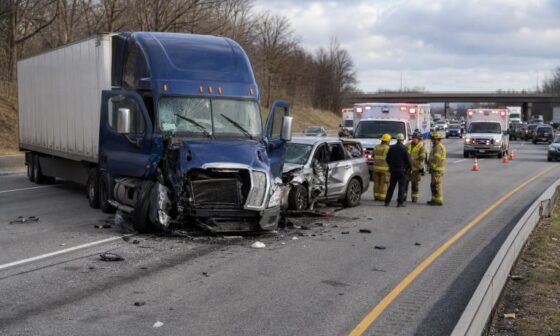
Car accidents are an unfortunate reality for millions of Americans each year. Understanding the root causes of these incidents can empower drivers to take better precautions and adopt safer behaviors on the road. Whether you are a new driver or have years of experience, knowing why accidents happen is essential for keeping yourself and others safe. If you or a loved one has already been affected by a crash, it may be wise to consult a car accident lawyer in Fall River, MA, to ensure your rights are protected and to navigate the aftermath more smoothly.
Many factors contribute to car accidents, including human error and risky behavior, as well as hazardous weather and unexpected mechanical failures. By examining the most common causes and committing to safe driving practices, drivers can reduce their risk and create a safer environment for everyone sharing the road.
This article examines the leading causes of car accidents and offers practical tips for staying safe. All motorists must understand not only the risks but also the proven strategies to avoid collisions and protect lives each time they drive.
Statistics consistently show that the majority of accidents are preventable with the right information and actions. Adopting these habits can help reduce your chances of being involved in a crash and ensure you make it safely to your destination, no matter the road conditions.
Distracted Driving
Distracted driving claims thousands of lives each year. Common distractions include cell phone use, eating or drinking, adjusting the stereo, or even talking to other passengers. According to the National Highway Traffic Safety Administration, over 3,300 deaths and nearly 290,000 injuries in the United States in 2022 were attributed to distracted driving incidents. Any activity that diverts your attention from the road can increase the odds of a crash within moments, making it one of the most preventable yet persistent dangers for drivers of all ages.
Distracted driving is not limited to texting or phone calls; even simple tasks like using a GPS can take precious seconds away from focusing on driving. Studies have shown that drivers who glance away from the road for just two seconds double their risk of a crash. Teens and young adults are especially at risk, but even experienced drivers can fall victim to momentary lapses in attention. Raising public awareness about the dangers and encouraging the use of hands-free technologies are crucial steps toward making roads safer for everyone.
Speeding
Excess speed remains a constant threat on the roads. Driving above the posted speed limits or too fast for conditions shortens reaction times and increases the impact in the event of a collision. Statistics indicate that speeding contributed to nearly 30% of all traffic deaths in 2022, accounting for over 12,000 fatalities across the country. Extra speed reduces the effectiveness of protective equipment and leaves drivers less time to respond to sudden obstacles or changes in traffic. Responsible speed management is vital for road safety.
Speeding is frequently associated with other risky behaviors such as aggressive lane changes, tailgating, and failure to yield. Drivers may underestimate the danger posed by exceeding speed limits, especially on familiar routes or when running late. However, even a moderate increase in speed can dramatically raise the likelihood of serious injury or fatality. Automated speed enforcement in certain areas and public education campaigns have been effective in reducing speeding-related incidents, highlighting the importance of both personal responsibility and community interventions.
Impaired Driving
Driving under the influence of alcohol or drugs remains a leading factor in severe crashes. Impairments from these substances compromise critical judgment, delay reactions, and distort spatial awareness. In 2022, more than 13,500 people were killed in alcohol-impaired crashes, making up approximately a third of all traffic fatalities. Never get behind the wheel if you are under the influence, and always plan for a safe ride home if you anticipate drinking or using other substances.
Beyond alcohol, drug-impaired driving, including legal prescriptions, can also pose substantial dangers on the road. Many drivers do not realize how their medications might affect reaction time, attention, or coordination. Community programs and law enforcement efforts work to educate the public and enforce laws against impaired driving. If you plan to consume substances or are unsure about the impact of medications, make arrangements for alternative transportation to keep everyone safe.
Adverse Weather Conditions
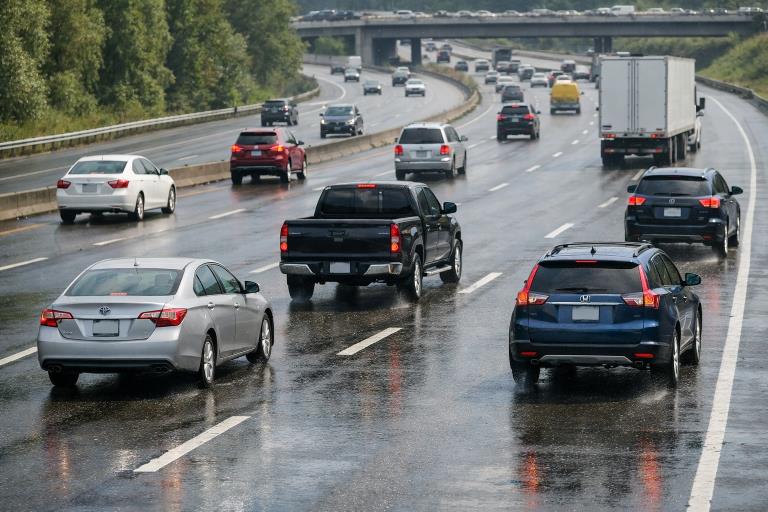
Rain, snow, fog, and ice can challenge the most experienced drivers by reducing visibility and making roads slippery. About 21% of all vehicle crashes each year are weather-related, often leading to increased accident severity due to loss of control. Safe driving in poor weather means slowing down, increasing following distances, and remaining extra aware of your surroundings. Drivers should also monitor weather forecasts and avoid unnecessary travel when extreme weather is predicted. Weather.gov Source
In addition, wet or icy roads can reduce tire traction and extend stopping distances, sometimes catching even attentive drivers off guard. Complex weather patterns can also exacerbate road hazards such as flooded intersections or black ice, which are not always visible. Practicing defensive driving and equipping your vehicle with weather-appropriate tires and emergency supplies can further improve your safety during adverse conditions. Always turn on headlights during low visibility and regularly check windshield wipers for optimal performance.
Vehicle Malfunctions
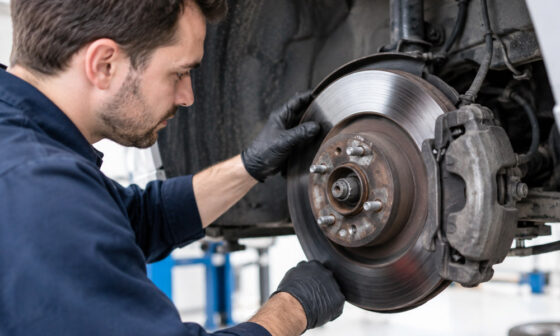
Not all accidents are due to driver error. Sometimes mechanical issues, such as brake failure, tire blowouts, or engine problems, can cause drivers to lose control unexpectedly. Regular maintenance and timely repairs are essential to ensuring your vehicle is safe and roadworthy. Always check your vehicle for warning signs, particularly before long trips, and address any issues immediately to avoid dangerous breakdowns or malfunctions.
Checking your vehicle’s fluid levels, brake pads, lights, and tire pressure regularly will help minimize the risk of unexpected mechanical failure. Technologies like anti-lock brakes and electronic stability control have made driving safer, but they still require drivers to remain vigilant with maintenance. Keep a record of scheduled tune-ups, and do not ignore dashboard warning lights, they often serve as early indicators of bigger issues. Having a roadside emergency kit on hand can provide peace of mind and essential supplies should you ever experience a mechanical setback while traveling.
Safe Driving Practices
To minimize your risk of being in a crash, consider adopting these fundamental safe driving habits:
- Always wear your seatbelt.
- Obey the speed limit and adjust speed for weather, traffic, and road conditions.
- Keep your focus on driving by silencing your phone and avoiding other distractions.
- Never drive under the influence of substances that impair your ability to operate a vehicle safely.
- Maintain a safe distance from the vehicle ahead to allow sufficient braking time.
- Inspect and maintain your vehicle regularly, including brakes, tires, lights, and fluid levels.
- Know your route in advance and keep a safe, defensive approach when navigating unfamiliar areas.
The majority of crashes are preventable. By staying alert, maintaining your vehicle, and following established safety guidelines, you can dramatically lower your risk of an accident and protect yourself, your passengers, and others on the road. Safe driving is a responsibility that benefits everyone in the community.
Staying informed about the latest safety regulations and driving innovations, such as advanced driver-assistance systems, can further enhance your preparedness behind the wheel. Involving friends and family in discussions about road safety fosters a collective commitment to responsible driving. Ultimately, consistent practice of these safety measures not only decreases the likelihood of accidents but also contributes to a culture of care and respect on our roadways. Every journey is safer when each driver does their part to uphold traffic laws and protect themselves and others.