Maintaining strong bones is crucial for long-term health, yet many people overlook the significant role hormones play in bone density and structural integrity. When it comes to bone health, a balanced hormonal profile is as essential as a good diet or regular exercise. Understanding this relationship can help prevent common issues like osteoporosis and fragility fractures, which often develop silently over the years. Hormones regulate key processes that keep bones firm, flexible, and resistant to injury. Among them, testosterone is especially vital for men, but estrogen also plays a hidden yet powerful role. This guide illustrates the deep connection between hormones and bone integrity, drawing on the latest clinical research and medical best practices. By highlighting risk factors, early warning signs, and practical prevention steps, this article empowers readers to take charge of their skeletal health. With many men experiencing drops in testosterone as they age, concerns about bone quality and vitality are on the rise. Recent evidence also reveals surprising links between hormone balance, muscle strength, and injury prevention. Maintaining optimum testosterone levels may be even more critical than previously thought, as it can impact not only bone mass but also energy levels and overall health. Recognizing and managing these changes early helps ensure strength and independence later in life. Below, you will find an easy-to-navigate overview of this guide’s topics and in-depth discussions about how men can keep their bones, hormones, and bodies in peak condition.
Understanding Bone Health
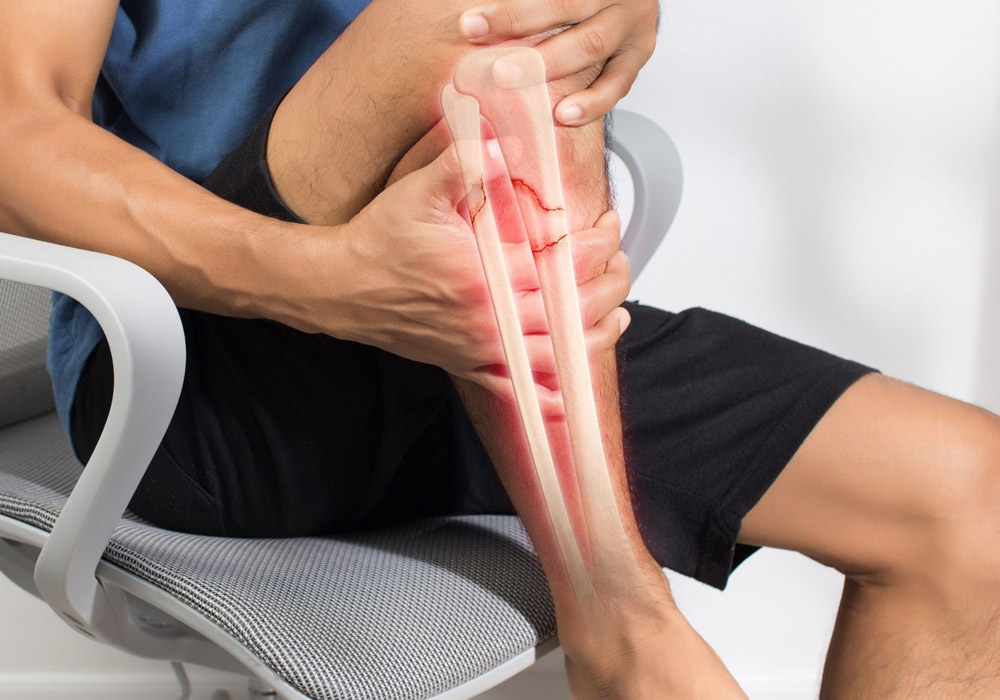
Bones are living tissues that support the body, anchor muscles, and protect organs. Throughout life, bone is constantly being broken down and rebuilt in a process called remodeling. In youth, the creation of new bone outpaces bone loss, but as people grow older, this balance can shift, particularly due to hormonal changes. When breakdown exceeds formation, bone mass and strength diminish, leading to weak bones and a higher risk of fractures and osteoporosis. Typically, bone density peaks in early adulthood and slowly declines with age. This gradual loss can be influenced by genetics, physical activity, nutrition, and, most importantly, hormonal changes. As men reach middle age and beyond, declines in key hormones can accelerate bone loss, making this a widespread health concern.
The Role of Testosterone in Bone Density
Testosterone is often associated with male reproductive health, but its influence extends well beyond that. This hormone activates osteoblasts, which are responsible for forming new bone tissue. It also plays a role in maintaining the balance between bone creation and breakdown. Multiple studies confirm that low testosterone levels are directly linked to reduced bone mineral density and a higher risk of osteoporosis and fractures. For instance, a clinical analysis published in the International Journal of Endocrinology found that men with testosterone deficiencies commonly suffer from weaker bones and are more prone to injury.
Estrogen and Male Bone Health
Estrogen may be commonly thought of as a female hormone, but men need a certain amount of it too. In males, some testosterone naturally converts into estrogen, which is critical for regulating bone remodeling. When estrogen is too low, either due to aging, hormonal disorders, or medication side effects, bone resorption speeds up. Recent discoveries from Washington University School of Medicine show that men with insufficient levels of active estrogen metabolites are at higher risk for osteoporosis and spontaneous fractures.
Lifestyle Factors Affecting Bone Health
Outside of hormonal influences, lifestyle choices significantly shape bone health:
- Nutrition:Consuming enough calcium and vitamin D supports bone preservation and repair. A lack of either nutrient can rapidly accelerate bone weakening, especially after age forty.
- Physical Activity:Regular weight-bearing and resistance exercises, such as walking, running, or lifting weights, promote bone formation and durability.
- Body Weight:Severe underweight increases the risk of bone loss, while a healthy weight provides appropriate stress to bones, encouraging regeneration.
Diagnosing and Treating Hormone-Related Bone Issues
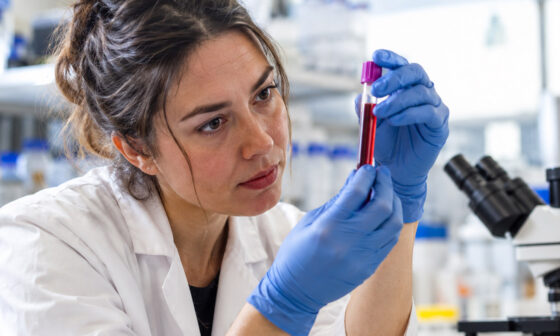
Detecting hormonal imbalances early is crucial for stopping further bone deterioration. Men should take note of symptoms like unexplained fatigue, low sex drive, or sudden fractures. Comprehensive hormone evaluation by a medical professional is the best first step. Treatment plans may involve:
- Testosterone Replacement Therapy (TRT):Used to bring testosterone levels back to a healthy range, which can restore bone strength and slow further loss.
- Bisphosphonates:Prescribed to reduce bone breakdown and lower fracture risk where osteoporosis is detected.
- Lifestyle Modification:Adjusting diet and increasing safe physical activity are essential parts of every management plan.
Preventive Measures for Maintaining Bone Health
Proactive efforts can significantly reduce the risk of osteoporosis and related complications. Experts recommend these actions:
- Perform regular weight-bearing and muscle-strengthening exercises.
- Get enough calcium and vitamin D through diet and supplements if necessary.
- Avoid smoking and limit alcohol intake, as both harm bone tissue.
- Strive for and maintain a healthy body mass index (BMI) as extreme thinness weakens bones.
- Have hormone levels checked regularly after age forty or whenever symptoms arise.
Conclusion
Understanding how testosterone and other hormones maintain bone health is key to reducing the risk of osteoporosis and supporting lifelong mobility. Hormonal balance plays an important role in preserving bone density, muscle strength, and overall physical function as men age. By staying aware of potential hormone changes, maintaining a nutritious diet, engaging in regular weight-bearing exercise, and proactively managing risk factors, men can help protect their bone integrity over time. Regular health screenings and conversations with healthcare professionals can also provide valuable insight into maintaining optimal wellness. Staying informed, active, and committed to healthy lifestyle choices allows individuals to take control of their long-term bone health. With consistent care and preventive measures, men can support stronger bones, improved mobility, and a higher quality of life throughout the aging process.