Key Takeaways:
- AI data centers are significantly increasing electricity demand, straining existing power grids.
- Traditional power infrastructure faces challenges in meeting the rapid and unpredictable energy needs of AI operations.
- Innovative solutions, including on-site power generation and energy storage, are being explored to address these challenges.
Artificial intelligence is powering a new wave of efficiency and innovation across sectors like finance, healthcare, and logistics. The backbone of these advances is data centers, whose energy requirements have soared as AI models grow in complexity. Yet, as more organizations deploy advanced AI, the energy infrastructure supporting these operations is pushed to its limits. KR Sridhar, CEO of Bloom Energy, recently highlighted that AI can no longer rely solely on traditional power grids as demand outpaces infrastructure upgrades.
Electricity consumption by AI-powered servers is spiking worldwide, prompting growing concerns among experts and utility providers. Governments and industry leaders must now address how to expand and modernize power grids to support AI’s relentless growth while maintaining a stable and sustainable supply. This challenge represents a pivotal moment in the energy sector, where infrastructure adaptation is essential to power the digital age.
The Surge in AI-Driven Energy Demand
AI data centers are uniquely intense users of electricity. Unlike conventional data centers, the hardware powering AI, especially for large-scale model training, consumes enormous amounts of energy around the clock for computation and cooling. According to a Gartner forecast, by 2026, AI servers are projected to account for nearly one-third (31%) of global data center energy use. Overall, global data center electricity demand is set to reach 565 terawatt-hours by that year. The United States alone is expected to contribute 204 TWh, with one-third of its consumption earmarked for AI infrastructure.
Industry analysts suggest this trend is accelerating. By 2027, AI-optimized data centers may surpass conventional ones in total power usage, climbing to 258 TWh, a staggering 84% increase in only two years. As a result, electric utilities across North America, Europe, and Asia are bracing for demand that is both greater and more volatile than ever before.
Strain on Existing Power Grids
This explosive growth has profound implications for power grid stability. The North American Electric Reliability Corporation (NERC) has warned that unregulated, high-output data centers could trigger cascading outages across regional grids. These risks arise from power fluctuations during AI model training, which can swing by hundreds of megawatts within minutes or even seconds, creating unpredictable loads for transmission operators. NERC describes the risk as both “high likelihood” and “high impact,” emphasizing that power system planning must evolve rapidly to avoid disruptions.
Recent white papers and grid reliability advisories highlight that the existing framework was never designed for modern, digital-first demand patterns. As more data centers come online and as electrification expands in other sectors, the margin for error in grid management grows narrower. These realities are driving utilities to call for new regulations and investment in advanced monitoring and controls.
Infrastructure Challenges and Delays
The physical grid itself is showing signs of strain, leading to delays and bottlenecks for new connections. Europe and North America are both experiencing a severe shortage in power transformers, critical components that step up or down voltage for transmission and distribution. Supply chain disruptions have been intensified by surging demand from new manufacturing plants, electric vehicle charging networks, and renewable power installations, further compounded by the needs of power-hungry data centers.
AI data centers are often compared to medium-sized cities in terms of their electricity requirements. Their massive orders can tie up factory production for years, resulting in queue times for critical components that can stretch well past regional construction schedules. This squeeze underscores an urgent need for investment in manufacturing capacity for grid hardware and for new approaches to energy delivery.
Innovative Solutions and Adaptations
Forward-looking companies are adapting their strategies in response to these challenges. Elon Musk’s acquisition of APR Energy, a mobile power plant company, is a telling example of the sector’s new approach. Instead of relying solely on traditional utilities or investing in more AI chips, Musk is addressing the electricity bottleneck directly. Mobile generation assets and advanced onsite energy storage systems allow for rapid deployment and flexible site selection, easing the strain on existing power grids and supplying power where it is needed most.
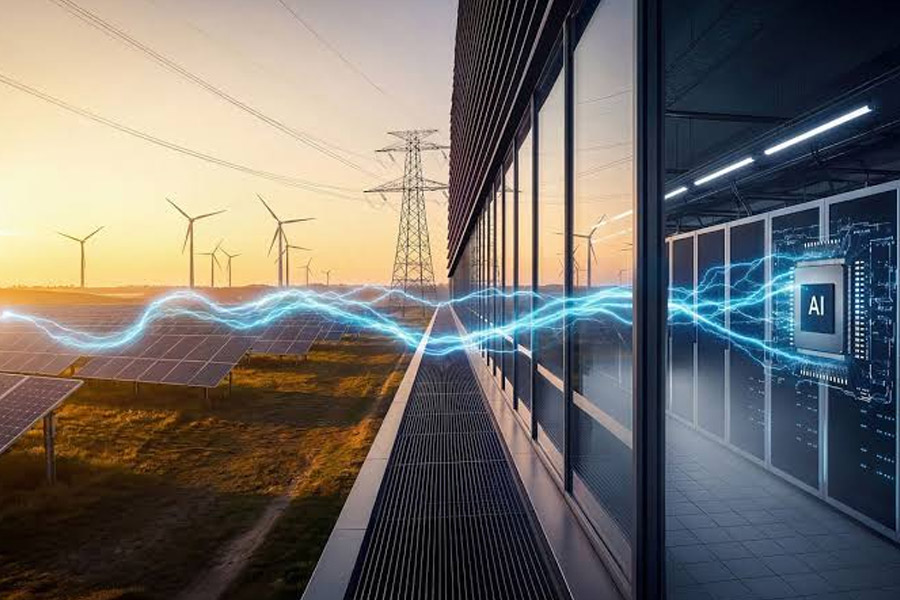
Other operators are experimenting with microgrids, natural gas turbines, and renewable energy integration to root AI data centers in energy resilience. Innovations in cooling systems, load balancing, and demand response technologies are rapidly becoming standard features. These innovations offer the promise of more predictable, manageable, and sustainable electricity consumption, even as demand continues to surge.
Regulatory Responses and Policy Measures
Recognizing the scale of the issue, federal regulators are stepping in to compel action. In the United States, new orders require regional grid operators to work closely with large energy users, fast-tracking connection timelines and enhancing coordination. These measures address the urgent need for modernized transmission systems and smarter grid interconnections. Policy changes are also encouraging utilities to invest in grid flexibility, advanced analytics, and energy storage solutions, with the goal of supporting AI’s continued growth without sacrificing reliability for other users.
Future Outlook: Balancing AI Growth and Energy Sustainability
As AI-driven data center growth continues its rapid ascent, planners and energy executives face growing uncertainty. Recent surveys reveal that most electricity executives anticipate more frequent and unpredictable spikes in demand, highlighting the challenge of forecasting and capacity planning in this new landscape. Sustainable energy practices must be at the forefront, with direct investment in cleaner, distributed generation, and incentives for energy efficiency.
Industry groups and policymakers are exploring ways to foster collaboration between technology firms and utilities, with an eye toward balancing innovation and sustainability. Investments in grid hardening, digital monitoring, and responsive load-shifting technologies will be critical for ensuring that power systems keep pace with the next generation of AI breakthroughs.
Conclusion
The intersection of AI advancement and rising energy consumption presents complex new challenges for electric utilities and regulators. As AI transforms our economy, its demand for electricity is catalyzing a fundamental rethinking of power infrastructure. Through innovation, responsive leadership, and a commitment to sustainable practices, it is possible to support AI while maintaining the reliability and stability of our power grids for everyone.