Plumbing rarely fails without warning. Most homes give off small hints long before a pipe bursts or a drain backs up into a finished basement, and those hints are easy to write off as quirks of an older house. A faucet that sputters, a drain that empties a little slower each month, or a faint smell near a floor drain all point to something happening behind the walls. Learning to read those signals is the difference between a scheduled visit and an emergency call at midnight. The systems that move water through a house are built to last decades, but only when small problems get handled before they compound.
When Hot Water Systems Start Falling Behind
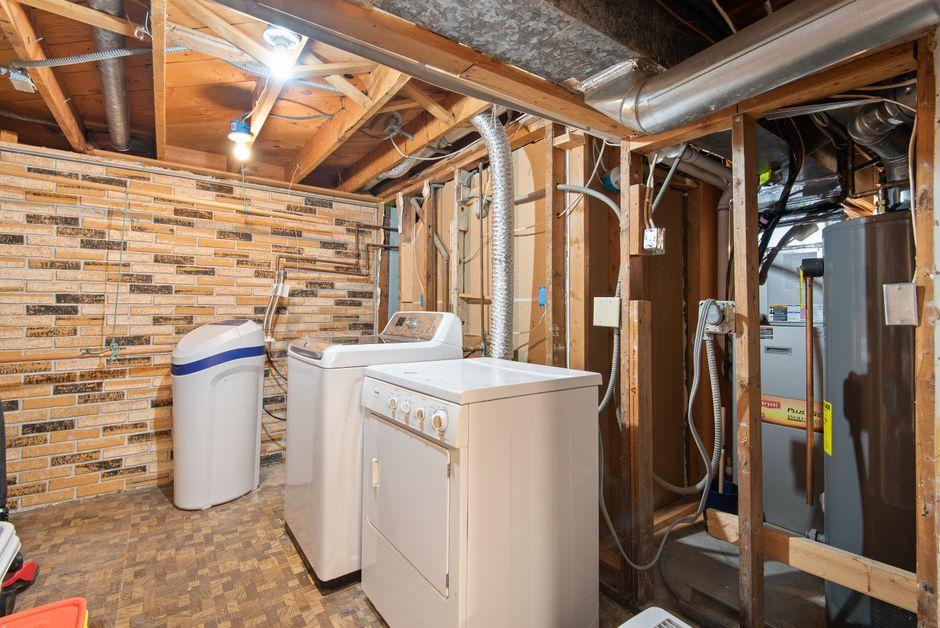
Few appliances work as hard as the unit that heats a home’s water supply, and few get less attention until the day they quit. Sediment collects in the tank, heating elements wear down, thermostats drift out of calibration, and relief valves corrode, all while the household keeps drawing on the system every morning. Once the unit is leaking or the water runs lukewarm no matter how the dial is set, the cost of waiting climbs quickly, since a failed tank can release its entire contents onto the floor around it. The right move at that point is to bring in a licensed plumber for water heater installation and repair so the system is diagnosed and corrected properly. A good service arrives quickly and gives a clear estimate before any work begins.
Slow Drains Are a Warning, Not a Nuisance
A sink that takes an extra minute to clear seems harmless enough, so most people reach for a plunger and move on. What that delay usually means is that a restriction has formed somewhere in the line, built up from grease, soap residue, hair, and food particles that never fully washed through. Over months, the passage narrows until a single heavy load of dishwater is enough to stop it completely.
When more than one fixture drains slowly at the same time, the problem has likely moved past the individual trap and into the main line. That distinction matters. A single clogged sink is a small job, while a blocked main line can push wastewater back into tubs and floor drains on the lowest level of the house. Professional drain cleaning clears the line fully rather than punching a temporary hole through the blockage, and a camera inspection can show whether roots or a collapsed section are the real cause.
Changes in Water Pressure Tell a Story
Pressure that drops off across the whole house usually points to something structural rather than a single bad fixture. Corroded supply lines lose interior diameter as mineral deposits build along the walls of the pipe, which quietly strangles flow. Older galvanized piping is especially prone to this, and by the time the shower feels weak, the restriction has been developing for years.
Pressure that runs too high causes its own damage. Excess force stresses joints, wears out washers and cartridges faster, and shortens the life of every appliance connected to the supply. A plumber can measure the incoming pressure and install or adjust a regulator to bring it into a safe range. Homeowners who notice banging pipes when a faucet shuts off are usually looking at a pressure issue rather than a loose fitting.
Water That Looks, Smells, or Tastes Wrong
Cloudy water often clears on its own and is simply trapped air. Water that runs rusty, carries a metallic taste, or leaves stains in sinks and tubs is a different matter. Discoloration frequently traces back to aging pipe interiors shedding material into the supply, and it can appear intermittently, usually after the water has sat unused overnight.
Hardness is the other common complaint. Mineral-heavy water leaves scale on fixtures, spots on glassware, and film on skin and hair, and it gradually coats the inside of pipes and appliances. Softeners and filtration systems address this at the point where water enters the home, which protects everything downstream. Testing the supply first is the sensible step, since the right equipment depends entirely on what is actually in the water.
Moisture Where It Does Not Belong
Damp spots on a ceiling, a warm patch on a concrete floor, or a musty smell in a closet all suggest water escaping a line. Slab leaks are particularly difficult to catch because the evidence surfaces far from the break. A water bill that climbs without any change in household habits is often the first real clue, and it deserves attention even when nothing visible is wrong.
Basements deserve their own inspection. Sump pumps sit idle for long stretches and then get asked to run continuously during heavy rain, which is exactly when a worn float switch or seized motor shows itself. Testing the pump before a wet season costs nothing and prevents a flooded lower level. Ejector pumps in homes with below-grade bathrooms need the same periodic check.
Fixtures and Gas Lines Deserve a Second Look
Toilets that run intermittently waste a surprising volume of water over a year, and the cause is almost always a worn flapper or a fill valve out of adjustment. Faucets that drip steadily point to failed internal components rather than anything the handle can fix. These repairs are inexpensive on their own, and putting them off simply raises the utility bill month after month.
Gas lines fall firmly in professional territory. Any smell of gas, any hissing near a connection, or any appliance that will not stay lit calls for a licensed technician rather than a do-it-yourself attempt. Lines corrode, fittings loosen, and older connections were not built for modern appliance demands.
Building a Maintenance Habit
The households that avoid emergencies are the ones that schedule inspections rather than react to failures. An annual walkthrough covers supply lines, shutoff valves, exposed piping, drains, and pumps, and it usually surfaces two or three minor items that are cheap to correct now and expensive to correct later. Knowing where the main shutoff sits and confirming it actually turns is worth doing before it is needed.
Keeping records helps as well. Noting when a fixture was replaced or a line was repaired gives any future plumber useful context and speeds up diagnosis. Homes are systems, and the more history available, the faster a problem gets solved.