Key Takeaways
- An as-is sale can reduce the need for repair work, but it does not eliminate the need for careful disclosure and contract review.
- Boone homes may need special attention because mountain weather, slopes, drainage, and access can affect condition and repair costs.
- The best option depends on net proceeds, not just the offer price.
- Traditional listings, as-is listings, and direct cash sales each involve different tradeoffs.
- Title work, buyer verification, and clear deadlines are essential before closing.
Selling a house as-is in Boone, North Carolina, can be a practical choice when repairs are out of reach, a move cannot wait, or a property has become difficult to manage from afar. Homeowners exploring a faster route can begin by reviewing https://www.theturnerhometeam.com/sell-my-house-fast-boone-nc/ while comparing the costs, timing, and obligations involved in different selling paths.
An as-is sale means the seller intends to offer the property in its current condition and generally does not plan to complete repairs. It does not mean a seller can hide known problems, skip important paperwork, or assume a buyer will not inspect the home. A well-informed decision starts with an honest view of condition, likely value, and the seller’s timeline.
Why Selling As-Is Can Make Sense in Boone
Some sellers do not have the funds, time, or desire to coordinate a renovation. This may apply to inherited homes, vacant cabins, rentals, properties with deferred maintenance, or houses that need work before conventional buyers can qualify for financing. The broader local real estate context available through https://www.theturnerhometeam.com/ can help homeowners frame questions before choosing whether to repair, list, or sell directly.
Boone Property Conditions That Can Affect a Sale
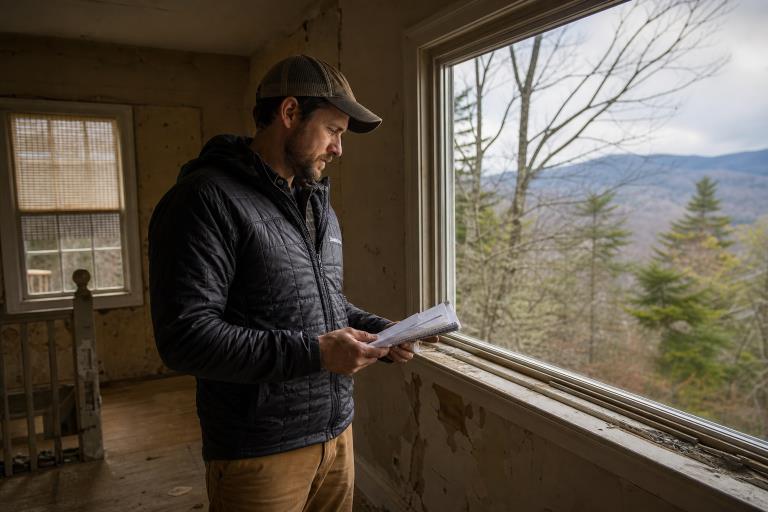
Boone’s High Country setting creates considerations that may not be as common in flatter parts of North Carolina. Buyers often pay close attention to roof condition, water flow around the home, crawl-space moisture, retaining walls, heating equipment, and access from public roads. A repair that seems minor can become more complicated when a driveway is steep, weather limits contractor access, or materials must be delivered to a remote site.
- Roof leaks, ice-related wear, and aging shingles
- Moisture in basements and crawl spaces
- Drainage concerns and movement on sloped lots
- Private wells, septic systems, and access easements
- Older plumbing, electrical, or heating systems
- Shared roads, steep driveways, and winter maintenance needs
How to Estimate the Home’s Likely Value
Start with recent sales of reasonably similar homes, then adjust for location, lot size, views, access, age, layout, and condition. Online figures are useful reference points, but they cannot inspect a roof, evaluate a steep lot, or account for a damaged interior. As of July 31, 2026, Zillow reported a typical Boone home value of $491,253, a median sale price of $502,092 for June 2026, and a median of 33 days to pending. Those broad figures are not an appraisal and may differ substantially from the value of a particular as-is property.
- Identify nearby comparable sales.
- Make a realistic list of major repairs and deferred maintenance.
- Estimate repair, holding, and selling expenses.
- Compare the expected net amount from each selling option.
- Separate sentimental value from the market’s likely response.
Repair, List, or Sell Directly?
Repairs can improve presentation and expand the buyer pool, but they require cash, scheduling, oversight, and time. A traditional listing offers wider public exposure, though it may involve cleaning, showings, inspections, negotiations, appraisal issues, and loan-related delays. A direct cash sale may reduce preparation and eliminate mortgage financing as a contingency, but sellers should still compare the final proceeds and every contract term.
What Selling As-Is Still Requires in North Carolina
Calling a home as-is does not prevent buyers from conducting due diligence. The North Carolina Real Estate Commission explains that buyers may still order inspections and investigate the property’s condition, even when a seller has decided not to make repairs. Sellers should provide required information accurately, avoid concealing known material defects, and read the purchase contract carefully before accepting an offer.
Cash Sale Versus Traditional Listing
- Repairs:Traditional buyers may request repairs or credits. A direct buyer may accept the home in its present condition.
- Financing:Traditional transactions commonly depend on a lender. A genuine cash buyer does not need a mortgage approval, although proof of funds still matters.
- Showings:Public marketing usually requires more access and preparation. A direct sale may require fewer visits.
- Pricing:Broad exposure can create more competition. A private offer may instead prioritize convenience and certainty.
- Timeline:Neither route has a guaranteed closing date. Title issues, probate, liens, inspections, and contract deadlines can affect either process.
How to Review a Cash Offer
A strong offer is more than a large number at the top of the page. Confirm the buyer’s identity and business address, request reasonable proof of funds, and check the earnest-money deposit. Review whether the contract permits assignment, who chooses the closing attorney, what inspection or cancellation rights exist, and whether repair deductions can be added later. Never send money simply to receive an offer, and consider independent legal or real estate advice before signing.
Special Situations for Boone Homeowners
Inherited Property
Estate sales can involve probate, multiple heirs, personal belongings, old liens, and title questions. Confirm who has the authority to sign, and ensure all necessary owners agree before committing to a sale.
Vacant or Winterized Homes
Vacant mountain homes should be checked for water damage, frozen pipes, security issues, utility interruptions, and insurance requirements. Documenting conditions early can help prevent surprises later.
Rental, Foreclosure, Divorce, or Shared Ownership
Lease terms, tenant access, required notices, mortgage deadlines, court orders, and co-owner approval can all affect the sale process. Sellers facing foreclosure or legal disputes should seek qualified advice promptly because time-sensitive obligations may apply.
Boone-Specific Questions to Ask Before Choosing a Path
- Does the property rely on a private well or septic system?
- Are there shared driveways, road maintenance, or easement issues?
- Could weather delay access, inspections, or repair work?
- Are permits, boundaries, liens, or HOA rules unresolved?
- Is the home inside Boone town limits or elsewhere in Watauga County?
- Are there rental or short-term occupancy restrictions to review?
Local Context and a Simple Selling Checklist
Boone is the Watauga County seat, home to Appalachian State University, and part of North Carolina’s Blue Ridge Mountains. Its mix of year-round residents, students, visitors, and mountain-home owners can shape buyer interest by neighborhood and property type. Understanding Boone’s mountain setting and community role helps explain why access, weather, and location deserve attention in every pricing discussion.
- Gather the deed, loan details, tax records, insurance information, and repair history.
- List known defects honestly and organize relevant records.
- Get more than one opinion of value.
- Compare repair costs, holding costs, fees, and expected net proceeds.
- Review every contract deadline and closing statement before signing.
Common Mistakes to Avoid
- Relying only on an online estimate
- Overimproving without considering the likely return
- Ignoring drainage, moisture, or structural concerns
- Failing to address known issues honestly
- Accepting a fast offer without checking the buyer’s ability to close
- Overlooking title, probate, lien, or ownership questions
Conclusion
Selling a house as-is in Boone, NC, can offer a simpler path, but it still requires clear records, realistic pricing, and thoughtful contract review. Whether the right choice is to repair, list traditionally, market as-is, or accept a direct offer, focus on the amount you expect to keep, the work required, and the level of certainty each option provides.