Choosing an exterior door in North or South Carolina means balancing more than appearance. From humid summers and heavy rain to coastal salt air, strong sun, and occasional cold snaps inland, a front, side, or patio entry needs to fit the local environment as well as the home’s style. Homeowners considering door installation and replacement services in North & South Carolina should evaluate the entire entry system, including the slab, frame, threshold, weatherstripping, glass, hinges, and locks.
A well-chosen door can help reduce drafts, improve everyday security, soften outside noise, and create a more welcoming first impression. A beautiful door that is poorly sized, improperly sealed, or installed in a damaged frame may still allow water and air to enter. The best results come from matching the door material and features to the home’s exposure, budget, and daily use.
Why Door Choice Matters
An exterior door is part of the building envelope, meaning it separates conditioned indoor space from outdoor weather. It also serves as a daily access point and a visual focal point. In Carolina neighborhoods, an entry may face direct afternoon sun, wind-driven rain, tree-shaded conditions, or salty coastal moisture. Those conditions can affect paint, seals, hardware, and the door material over time.
Set three priorities before shopping: comfort, protection, and curb appeal. Ranking them helps narrow the field when comparing materials, glass layouts, finishes, and prices.
Check For Signs Of Wear
Not every problem requires a complete replacement. New weatherstripping, hinges, a sweep, or lock hardware may restore a sound door. Replacement becomes more practical when the slab or frame is damaged, distorted, or unable to seal correctly.
- Drafts, rattling, or visible daylight around the closed door.
- Swelling, cracking, rust, peeling finish, or soft wood near the sill.
- Difficulty opening, closing, latching, or locking the door.
- Condensation between insulated glass panes.
- Water stains near the trim, flooring, or threshold.
- A door that no longer sits squarely within the frame.
Compare Door Materials
Fiberglass
Fiberglass doors are widely chosen for their low-maintenance surface and moisture resistance. Many products feature textured finishes that resemble stained wood, making fiberglass a practical option for homeowners who want traditional character without the upkeep of a natural wood door.
Steel
Steel doors can be a cost-conscious choice and are valued for their strength. They are commonly made with insulated cores, but a damaged finish should be repaired promptly because exposed metal can corrode. Steel may be especially appealing for a utility entry, garage-to-house door, or security-focused side entrance.
Wood
Wood provides natural warmth and works especially well with historic, Craftsman, cottage, and traditional architecture. It can be painted or stained, but it needs routine inspection and refinishing. In humid or highly exposed locations, careful sealing and maintenance are essential.
Composite And Other Options
Composite door systems may combine engineered materials to improve durability and simplify maintenance. Compare the manufacturer’s warranty, finish requirements, climate suitability, and available frame options rather than relying on the material name alone.
Focus On Energy Efficiency
Door efficiency depends on the entire assembly, not just the slab. Insulated cores, tight weatherstripping, an effective threshold, properly sealed frame gaps, and suitable glass all contribute to performance. The U-factor and Solar Heat Gain Coefficient requirements for ENERGY STAR-certified products vary by climate zone and glazing level, providing shoppers with useful terms to compare when reviewing product labels.
- Look for a lower U-factor when comparing similar products, since it indicates greater resistance to heat flow.
- Consider Solar Heat Gain Coefficient when choosing doors with substantial glass, particularly on sunny exposures.
- Choose insulated or Low-E glass when it suits the entry’s daylight, privacy, and climate needs.
- Inspect weatherstripping and the threshold design, not just the advertised door material.
Choose Glass And Hardware
Glass can bring welcome daylight into a foyer, but it should fit the household’s privacy and security needs. Clear glass offers the most visibility. Frosted and textured glass can obscure views, while decorative inserts add character. Tempered or laminated glazing may be worth considering where safety or impact resistance is a priority.
Hardware should feel solid, fit the door correctly, and coordinate with nearby lights, house numbers, and railings. A reinforced strike plate, secured into the framing with long screws, can strengthen the lock area. For busy family entrances, choose hardware designed for frequent use and make sure the latch engages smoothly without forcing the door.
Match The Door To Your Home
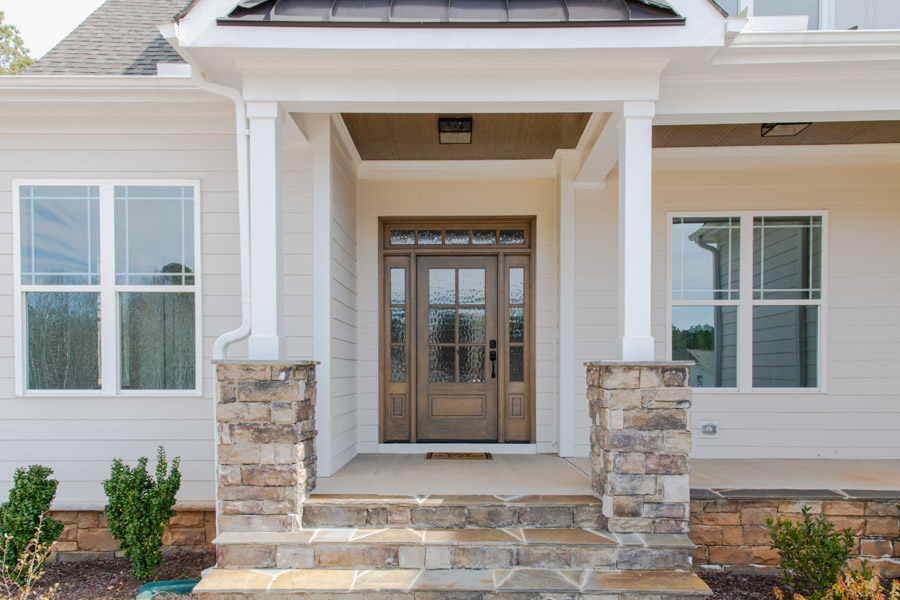
The right door complements the exterior rather than competing with it. Simple panel designs and restrained finishes suit many traditional homes. Clean lines and larger glass areas often fit contemporary designs. Warm stains, divided-light glass, and substantial trim can support Craftsman or cottage character.
A bold front-door color can create a memorable entry, but view samples outdoors before deciding. Sunlight changes how paint and stain appear, and the final color should work with the siding, brick, roof, trim, and landscaping.
Consider Security Features
A secure entry depends on more than a deadbolt. Choose a sturdy frame, solid-core or reinforced construction, quality hinges, and hardware installed correctly. If the door includes glass near the lock, consider the panel’s size, location, and glazing type. Exterior lighting, a peephole, and a video doorbell can also improve visibility around the entrance.
Plan For Proper Installation
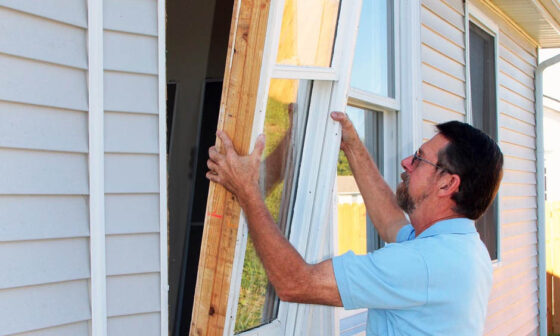
Installation quality directly affects operation, water resistance, security, and comfort. The opening should be measured carefully, and the rough framing should be checked for rot or water damage before a new door is installed. The frame must be level, plumb, and square so the door swings freely and seals evenly.
The U.S. Department of Energy notes that old, uninsulated, poorly installed, or poorly sealed exterior doors can leak air and waste energy. Its guidance on upgrading exterior doors reinforces why proper air sealing and installation details matter as much as the product selection.
Budget For Long-Term Value
Compare complete project costs, not just the door price. A detailed estimate should clarify labor, frame repairs, trim, glass, locks, removal of the old unit, flashing, insulation, exterior caulking, and cleanup. Also review warranties for the slab, finish, glass, hardware, and workmanship. A less expensive door may end up costing more over time if it needs frequent refinishing or does not handle the home’s exposure well.
Use A Door-Buying Checklist
- Measure the opening and identify the door swing direction.
- Note sun, rain, wind, shade, and salt-air exposure.
- Choose the primary goal: security, efficiency, style, daylight, or low maintenance.
- Compare fiberglass, steel, wood, and composite choices.
- Review glass type, privacy requirements, and available energy ratings.
- Ask for an itemized quote and read all product and installation warranties.
Final Thoughts
The best exterior door for a North or South Carolina home combines reliable performance with a look that belongs on the house. By considering the material, glazing, hardware, exposure, energy features, and installation as a single, connected decision, homeowners can create an entry that feels comfortable, secure, and welcoming for years to come.