Key Takeaways
- Start with the rooms that feel drafty, noisy, damp, or difficult to use.
- Compare performance labels, installation details, and full project scope, not appearance alone.
- Match glass, frames, and door materials to Ashburn’s changing seasonal weather and each opening’s exposure.
- Include air sealing, flashing, trim, repairs, permits, and cleanup in the project budget.
- Prioritize the openings with moisture damage, operating problems, or major comfort issues when a whole-home upgrade is not practical.
In Ashburn, Virginia, windows and exterior doors work through humid summer days, winter cold snaps, wind-driven rain, and strong afternoon sun. A thoughtful upgrade can improve day-to-day comfort while helping homeowners address worn seals, difficult operation, outside noise, and aging finishes. Homeowners considering entry doors Ashburn, VA should evaluate the full opening, including the surrounding trim, threshold, weatherstripping, and wall condition. Energy-smart planning is not simply about purchasing the most expensive product. It is about identifying the real problem, selecting options that fit the location and room, and confirming that installation will protect the home from unwanted air and water. The strongest results come from considering performance, durability, appearance, maintenance needs, and artistry together.
Why Window and Door Upgrades Matter
Exterior openings affect indoor temperature, airflow, daylight, security, and sound. A single drafty window near a favorite chair or a poorly sealed door by the kitchen can make a room uncomfortable even when the thermostat is set properly. Windows and doors also interrupt the home’s exterior wall system, so performance depends on the glass, frame, seals, sill, flashing, and installation method.
How to Assess Your Home
Before requesting estimates, walk through the house on a windy, rainy, very hot, or very cold day. Check every opening for cracked caulk, peeling paint, soft wood, warped trim, loose hardware, visible gaps, water stains, and condensation between glass panes. Open, close, lock, and unlatch each window and door.
- Often repairable: worn weatherstripping, minor caulk failure, loose hardware, damaged screens, or a finish that needs maintenance.
- Worth deeper evaluation: recurring leaks, rot, failed insulated-glass seals, persistent drafts, broken locks, or frames that no longer operate reliably.
Note which rooms overheat in late-day sun, feel chilly near the glass, or receive more street and neighborhood noise. This record helps compare proposals based on actual needs rather than a one-size-fits-all package.
Performance Ratings Worth Comparing
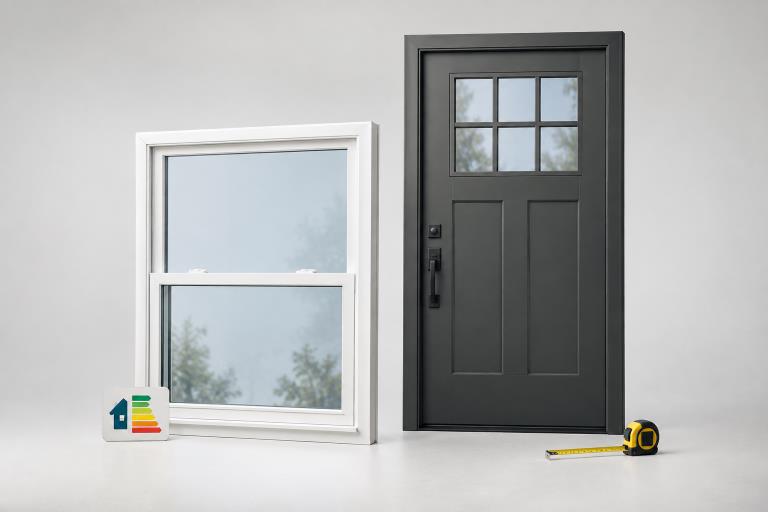
Product labels provide more useful information than color swatches alone. A lower U-factor generally indicates better resistance to heat transfer. Solar heat gain coefficient, or SHGC, indicates how much solar heat passes through a product. Visible transmittance describes daylight passing through the glazing, while air-leakage information helps compare how tightly a unit limits unwanted airflow. The window and door performance guidance from the U.S. Department of Energy also explains why lower air-leakage values and appropriate SHGC choices matter. Compare labels for the complete product, then consider the direction the opening faces and whether trees, porches, awnings, or neighboring buildings provide shade.
Climate, Exposure, and Room Use
Ashburn homes benefit from room-by-room planning. Sunny west-facing rooms may need help managing glare and afternoon heat. Bedrooms may place greater value on ventilation, privacy, and sound control. Bathrooms need privacy and good moisture management, while kitchens and patio doors need reliable operation because they are frequently used.
- Entry doors: Consider daily traffic, weather exposure, security hardware, threshold condition, and insulation.
- Patio and deck doors: Check walking clearances, door swing, screen operation, drainage, and safe transitions at the threshold.
- Bathrooms: Pair privacy glass choices with exhaust ventilation and attention to condensation.
Frames, Glass, and Door Materials
Window Frames and Glass
Vinyl is commonly chosen for low-maintenance ownership. Fiberglass is valued for its strength and stability. Wood can complement traditional architecture but requires regular finish care, while composite and metal options vary by product design. Double-pane and triple-pane glazing, low-emissivity coatings, insulated glass units, and privacy glass should be selected based on the opening’s purpose rather than added automatically everywhere.
Exterior Door Materials
Fiberglass, steel, wood, and glass-panel doors each have different maintenance, appearance, and insulation considerations. Regardless of material, inspect the weatherstripping and threshold design. These details can strongly affect drafts at the bottom and edges of a door.
Planning Installation
A high-performing product can still disappoint if it is measured incorrectly or installed without proper air sealing and water management. Ask each contractor to define the scope for each opening, including removal, insulation, flashing, exterior caulk, trim replacement, disposal, cleanup, and repair of any hidden damage if discovered. Properly integrated flashing helps direct water away from wall openings, and fully flashed window and door openings are an important part of durable exterior-wall work. Confirm whether permits or inspections apply before scheduling the project.
Building a Practical Budget
The product price is only one part of the project. A complete budget should account for labor, glass upgrades, trim, paint, disposal, permit charges, screens, hardware, moisture repairs, and possible framing work. Request written estimates with the same product specifications and installation scope so comparisons are meaningful. Check current utility, state, and federal incentive options before work begins because eligibility requirements and deadlines can change.
Planning Mistakes to Avoid
- Selecting the lowest bid without comparing installation details and warranty coverage.
- Ordering custom products before measurements are confirmed.
- Ignoring signs of water damage around sills, thresholds, or trim.
- Using identical glass packages for every exposure and room.
- Forgetting to plan for blinds, alarms, furniture, pets, and daily access during work.
Common Questions
Should every window be replaced at once?
Not necessarily. A phased approach can be practical when only certain openings have failed. Prioritize moisture damage, safety concerns, difficult operation, and rooms with the most significant comfort problems.
Are expensive products always better?
No. The best result comes from a product that suits the home, exposure, budget, and maintenance expectations, installed with careful attention to sealing and flashing.
Final Planning Checklist
- Identify the rooms with the biggest comfort concerns.
- Inspect frames, sills, thresholds, locks, and surrounding walls.
- Record each opening’s direction, shade, and weather exposure.
- Compare U-factor, SHGC, air leakage, and visible transmittance.
- Request detailed written estimates and review installation methods.
- Allow time for measuring, ordering, repairs, permits, and inspections.
Successful window and door upgrades begin with a clear assessment, not a rushed purchase. By matching products and installation details to the needs of an Ashburn home, homeowners can make choices that support comfort, durability, appearance, and long-term value.