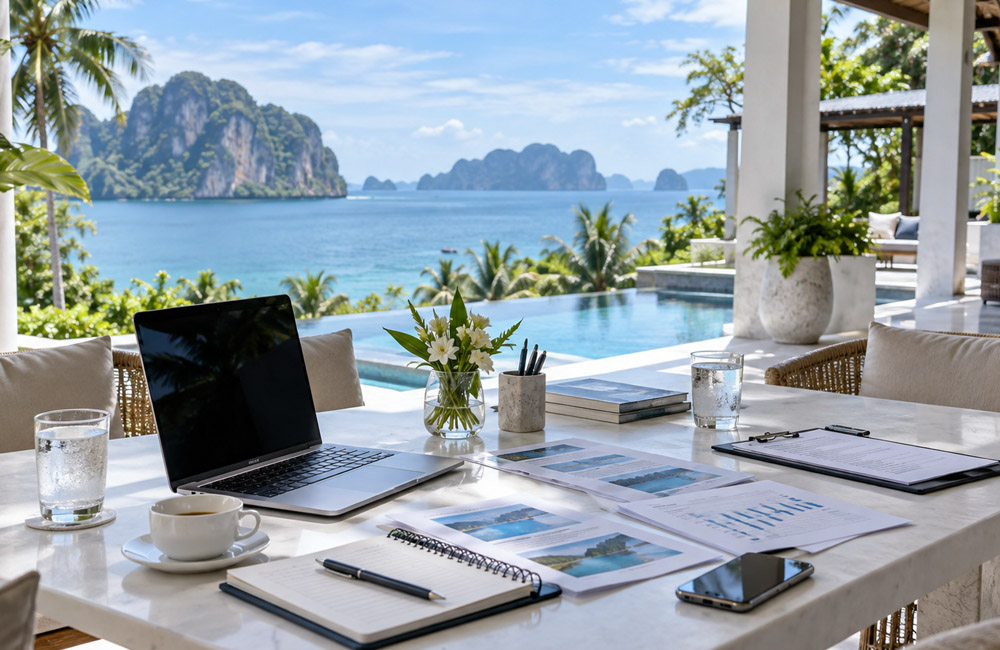
As remote work continues to redefine how modern companies operate, business leaders are increasingly turning to structured corporate retreats to restore team connection and culture. The global corporate retreats market was valued at $31.8 billion in 2024 and is projected to reach $73.7 billion by 2034, a trend highlighted by Forbes in recent coverage on rebuilding workplace culture. Organisations now view these off-site gatherings as high-return investments that combat workplace isolation and boost productivity. With its strategic location, world-class infrastructure, and vibrant cultural landscape, Thailand has emerged as a premier destination for these value-generating trips. A recent regional travel trends report revealed that 90 percent of international trips to Thailand now incorporate a blend of business and leisure, highlighting the country’s dominance in this evolving sector. As business travel rebounds, companies that thoughtfully integrate professional objectives with leisure opportunities are seeing the highest improvements in staff retention.
Selecting the Right Location and Infrastructure
The foundation of any successful corporate off-site is the physical environment where your strategy sessions will take place. Event planners today are heavily prioritising hybrid-first conference designs that integrate broadcast-grade live streaming and multi-camera production into physical spaces. Because modern retreats require seamless technology and experiential layouts to prevent presentation fatigue, securing a well-equipped Meeting venue in Bangkok is typically the most crucial step. Finding a space that offers versatile, modern facilities ensures the professional portion of the trip is polished and highly engaging for all attendees. Premium venues in the capital often provide dedicated event concierges who can customise the space to suit both large keynote addresses and intimate breakout sessions.
Thailand’s government actively promotes the corporate travel sector, making the planning process smoother for international organisations. In late 2026, the Thailand Convention and Exhibition Bureau launched the MICE Super Platform. This centralised digital resource integrates paperless business services and open industry data, allowing event operators to streamline their venue sourcing and logistics planning across the country. This governmental support significantly reduces bureaucratic friction, enabling companies to focus purely on the strategic content of their retreat.
Designing a Balanced Itinerary
While state-of-the-art facilities are essential for productive strategy sessions, a successful corporate retreat must also prioritise team wellbeing and cultural immersion. Corporate travel decision-makers are shifting away from sheer volume toward trips that demonstrably build relationships. Culturally immersive team-building activities, such as exploring local food markets or historical temples, are frequently combined with traditional workshops to enhance participant wellness and morale. These shared experiences foster authentic communication, breaking down departmental silos that often hinder corporate innovation.
Bangkok has solidified its reputation as a top-tier destination for bleisure by offering seamless transitions from high-tech corporate districts to world-renowned retail centres. When building your itinerary, it is vital to leave room for unstructured downtime. Providing attendees with practical advice on how to plan a Bangkok shopping holiday without spending hours in traffic allows your team to navigate local districts efficiently. Encouraging staff to explore the city’s vibrant culture independently fosters a more relaxed environment and helps them recharge before returning to strategic discussions. When employees feel they have the freedom to experience a new destination on their own terms, they return to the meeting room with renewed focus and creative energy.
Essential Steps for Seamless Execution
Organising a complex international corporate event requires meticulous attention to detail. To ensure your Thailand retreat yields a high return on investment, consider the following structured approach:
- Define clear objectives early. Determine whether the primary goal is intensive strategic planning, team building, or rewarding top performers. This focus will dictate your venue choice and itinerary structure.
- Leverage AI-powered platforms. Modern engagement tools are now baseline expectations for corporate retreats. Use these technologies to provide attendees with personalised itineraries, real-time analytics dashboards, and matched networking profiles.
- Focus on experiential event design. Move away from standard boardroom setups. Look for facilities offering large-format LED walls and multi-sensory layouts that keep participants engaged throughout lengthy sessions.
- Manage logistics with central resources. Utilise tools like the MICE Super Platform to handle documentation and vendor coordination efficiently, removing administrative burdens from your internal team. Streamlining these operational details prevents fatigue and ensures every session runs on schedule.
The Asia-Pacific meetings and events market continues to expand rapidly, driven largely by Thailand’s exceptional blend of professional infrastructure and cultural appeal. Business travel accounted for 27 percent of all visitation to Bangkok in 2024, a clear indicator of the city’s robust role as a corporate hub. By carefully selecting tech-enabled venues, blending rigorous strategy sessions with meaningful local experiences, and leveraging modern event management tools, business leaders can execute highly effective retreats. Ultimately, a thoughtfully planned trip to Thailand does more than just meet corporate objectives. It revitalises team dynamics and builds the lasting connections necessary for long-term business success.