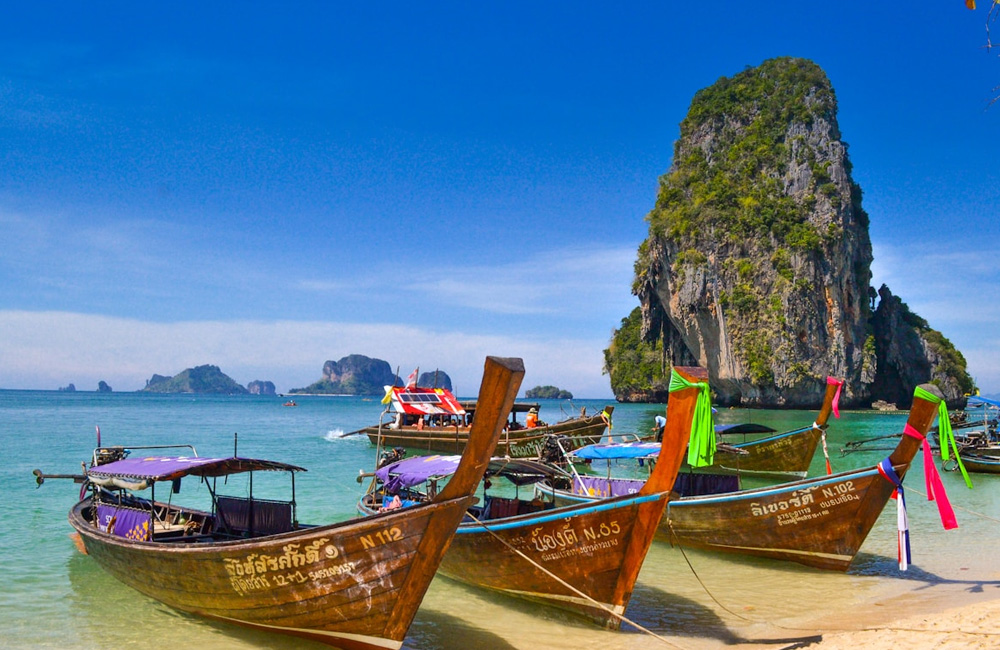
The global bleisure travel market reached a staggering $762 billion in 2025, and corporate policies are rapidly evolving to embrace flexible remote work. A recent industry report revealed that 55 per cent of business travellers recently took at least two blended work-leisure trips, with nearly three-quarters of employees viewing this flexibility as a major corporate perk. Interest is only growing across multiple sectors. According to a 2026 workation study, 64 per cent of remote-capable employees are highly interested in working temporarily from abroad, a figure that jumps to 80 per cent for professionals under thirty. Companies are discovering that combining business objectives with breathtaking travel experiences yields highly motivated and fiercely loyal teams. Thailand has long been a favourite for digital nomads, but today, forward-thinking organisations are taking advantage of its natural beauty to host structured executive workations.
Navigating Logistics and Transfers
Moving a corporate group from a major international hub to a remote beach requires careful coordination and a clear understanding of the region’s infrastructure. Selecting the right venue and structuring the agenda are just the beginning. When establishing the core objectives of the trip, planners must consult guides outlining the essential steps for planning a successful corporate retreat in Thailand to ensure no detail is overlooked.
Once the foundational goals are set and culturally immersive team-building exercises are chosen, the next major hurdle is physical logistics. Eastern islands in the Trat province offer highly secluded environments that are ideal for deep work, but they demand dedicated ground and sea coordination. For example, arranging reliable Bangkok Koh Kood transport is a vital part of the itinerary. Ensuring a smooth, comfortable journey from the capital’s airports directly to an island resort prevents travel fatigue and sets a positive tone for the entire workation. Reliable private transfers allow executives to use travel time productively, transforming a simple ferry ride into a scenic brainstorming session before they even check into their accommodation.
The Strategic Value of Island Offsites
By moving away from bustling city centres to secluded tropical environments, businesses can foster deep work and meaningful team bonding away from usual office politics. While remote flexibility undoubtedly improves individual efficiency, it often leaves a gap in cultural connection if left unstructured. Leaders are finding that intentional, in-person gatherings are crucial for driving the connection, collaboration, creativity, and culture that distributed teams often lack, according to extensive research by Gallup.
Corporate offsites are tied to a 25 to 40 per cent improvement in team communication, and well-executed events can lift overall productivity by 26 per cent. Driven by the need to combat remote-work isolation, the corporate retreat market is expected to more than double over the next decade. By placing employees in a tranquil, nature-rich setting like a Thai island, companies remove daily urban distractions. This isolated environment allows professionals to focus on high-level strategic planning, uninterrupted problem-solving, and building the interpersonal trust that video calls simply cannot replicate.
Essential Requirements for a Productive Stay
Unlike urban centres such as Chiang Mai that boast massive coworking hubs, an island workation requires organisers to pre-vet private resorts meticulously. To guarantee a flawless experience, corporate travel planners should focus on a few non-negotiable elements:
- Visa Compliance: Thailand’s Destination Thailand Visa (DTV) is a massive advantage for remote teams. Officially updated in August 2026, it offers a five-year multiple-entry visa allowing stays of up to 180 days per visit. Applicants must provide proof of permanent residence, a formal criminal background check from their home country, and financial evidence of at least 500,000 THB (approximately $14,000 USD) in a bank account.
- Reliable Connectivity: Upgraded infrastructure means the majority of accommodations on Thailand’s eastern islands now utilise fibre-optic internet connections, which has drastically reduced weather-related outages. However, organisers should still equip teams with mobile hotspots. Thailand’s nationwide 5G networks provide an excellent failover for virtual meetings.
- Dedicated Workspaces: Planners must ensure that the chosen resort offers strong in-room Wi-Fi and ergonomic furniture. An ocean view is wonderful, but comfortable seating and proper desk space are mandatory for a productive workday.
Planning a corporate workation on a hidden Thai island is an investment in both employee well-being and long-term business success. By combining seamless travel logistics with robust digital infrastructure, tailored team activities, and stunning natural landscapes, companies can create an unforgettable professional retreat that pays dividends for years to come. The result is a refreshed, highly aligned team ready to tackle future challenges with renewed energy and sharpened focus.