You probably don’t think much about your drains until one starts acting dramatic. A slow sink, a shower that turns into a foot bath, or a kitchen drain that smells suspiciously alive can throw off your whole routine. Learning what causes clogs gives you an edge. Once you know the patterns, you can avoid expensive plumbing headaches and keep your home’s drainage system working the way it should.
Tree Roots and Outdoor Problems Can Sneak Up on You
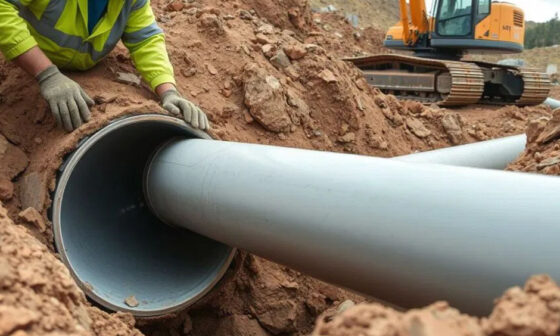
Not every clog begins inside your house. Some of the most serious ones start underground, especially in older sewer lines. Tree roots naturally grow toward moisture, and even a tiny crack in a pipe can attract them. Once inside, they expand, catch debris, and block the line more and more over time.
Outdoor drains can also clog with leaves, dirt, and yard debris after storms. If water starts pooling near your home or backing up in lower-level fixtures, the issue may be beyond a single sink or tub.
When recurring blockage points to a bigger drainage problem, professional drain cleaning may be necessary to clear the line properly and inspect what’s happening inside the pipe.
Watch for signs such as:
– Multiple drains slowing at once
– Gurgling sounds from toilets or sinks
– Bad smells coming from drains
– Water backing up in unexpected places
Those symptoms usually mean the problem is not minor.
Hair, Grease, and Soap Scum Create the Usual Trouble
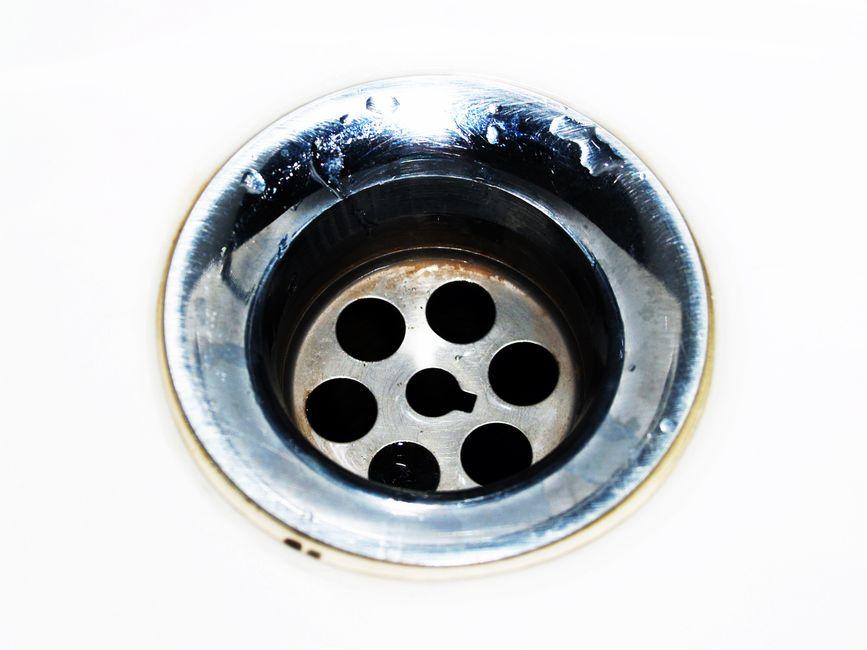
Most clogs start with everyday buildup, not some rare plumbing disaster. In bathrooms, hair is the repeat offender. It slips into the drain, tangles up, and grabs onto soap residue until a stubborn blockage forms. In kitchens, grease does the same job with a different style. It may go down warm and liquid, then cool inside the pipe and turn into a sticky trap for food scraps.
Soap scum adds another layer of trouble, especially if you have hard water. Minerals in the water react with soap and leave behind residue that narrows the pipe over time.
You can cut down the risk with a few habits:
– Use a hair catcher in showers and tubs
– Avoid pouring oil or grease into the sink
– Flush kitchen drains with hot water after washing dishes
– Clean stoppers and strainers every week
Small habits beat emergency repairs every time.
Food Waste Is Not as Disposable as It Looks
It’s easy to assume your kitchen sink can handle whatever is left on a plate, especially if you have a garbage disposal. It can’t. Disposals are useful, but they’re not tiny food-processing plants with unlimited stamina. Fibrous foods like celery, corn husks, and onion skins can wrap around the blades or collect deeper in the line.
Coffee grounds are another classic mistake. They don’t dissolve, and they tend to settle into a thick sludge. Rice, pasta, and bread also expand when wet, which turns your drain into a science experiment you didn’t ask for.
A better move is scraping food into the trash or compost before rinsing dishes. If you use a disposal, run cold water before, during, and after. That helps move particles through instead of letting them sit and form a clog with backup singers made of grease and starch.
Toilets Get Clogged for Reasons That Are Completely Avoidable
A toilet drain is designed for human waste and toilet paper. That’s a short list, yet people test it constantly. Wipes labeled “flushable” are a frequent problem because many don’t break down fast enough inside plumbing systems. Paper towels, cotton pads, hygiene products, and dental floss also hang around far longer than they should.
Even too much toilet paper at once can create a blockage, particularly in older homes with narrower pipes or low-flow toilets that use less water per flush.
To avoid this mess:
– Flush only toilet paper and waste
– Keep a trash bin in the bathroom for everything else
– Teach younger family members what should never be flushed
– Use less paper per flush if your toilet struggles
If clogs happen often, there may be a deeper issue in the line. Repeated plunging is not a personality trait your bathroom should develop.
Chemical Cleaners Can Make Things Worse
When a drain slows down, grabbing a chemical cleaner feels quick and efficient. The label promises victory in a bottle. Real life is less impressive. Many drain cleaners use harsh chemicals that generate heat and can damage certain pipes, especially older metal or weakened plastic lines.
They also don’t always remove the full clog. Sometimes they burn through part of it, leaving the rest to harden or shift further down the system. That creates a more annoying problem later, often when you least need one.
Safer first steps include:
– Using a plunger on sinks, tubs, or toilets
– Removing visible debris by hand with gloves
– Trying a drain snake for shallow clogs
– Flushing with hot water and dish soap for grease-related slowdown
If those steps fail, repeated chemical use usually adds risk without solving the root issue. Plumbing is not impressed by wishful pouring.
Prevention Comes Down to Routine, Not Luck
Drain problems often feel random, but most build slowly. That’s good news because gradual problems are easier to prevent than sudden pipe failures. A simple maintenance routine keeps small issues from turning into expensive repairs.
Start by paying attention to speed. If water drains slower than usual, don’t ignore it for three weeks and hope for emotional growth. Clean the stopper, check for visible debris, and test whether the issue is isolated to one fixture.
A smart prevention routine includes:
– Cleaning sink and shower strainers weekly
– Flushing bathroom sinks with hot water regularly
– Keeping grease, grounds, and starchy foods out of kitchen drains
– Scheduling inspections if your home is older or has large trees nearby
– Addressing minor slowdowns before they become full blockages
Good drain care is mostly boring, which is exactly what you want. Quiet pipes, fast drainage, and no mystery odors are signs that your system is doing its job without demanding attention.
Knowing the Pattern Helps You Stay Ahead
Drain clogs rarely come out of nowhere. They follow patterns tied to habits, materials, and the age of your plumbing system. Hair, grease, food waste, flushable-not-really-flushable items, and tree roots account for most of the trouble homeowners face.
Once you know what your drains deal with every day, it gets easier to make better choices. Use strainers. Be pickier about what goes down the sink or toilet. Take slow drains seriously before they become full stoppages.
That approach saves time, money, and a fair amount of frustration. It also keeps your home running smoothly, which is the kind of luxury people tend to appreciate most right after standing in ankle-deep shower water.