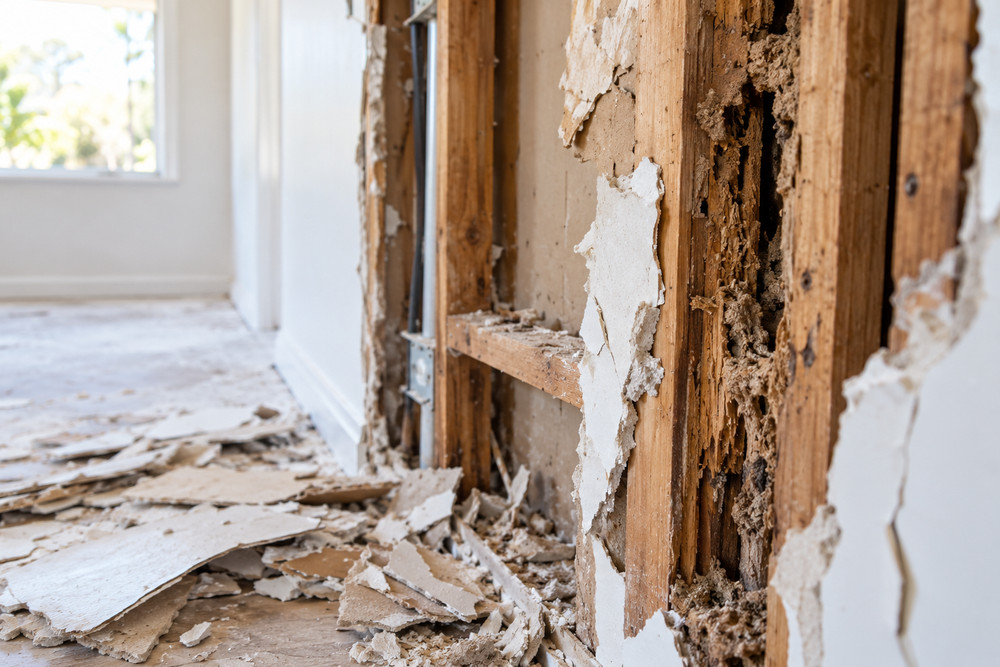
Australians love to renovate. In fact, the national home renovation market is booming, as homeowners choose to upgrade rather than move. Whether it is knocking down a wall to create an open-plan living space, restoring a classic Queenslander, or ripping out tired cabinetry, upgrading a property brings a unique sense of satisfaction. However, the demolition phase often reveals secrets that homeowners would rather keep hidden. Pulling away old plasterboard or lifting floorboards can suddenly expose a thriving colony of cockroaches or a network of termite workings. Encountering an infestation mid-renovation is a stressful reality, but knowing exactly how to handle the situation will protect both your home and your budget.
The Hidden Risks Behind the Plasterboard
When homeowners start pulling a room apart, they are exposing structural voids that have been dark, quiet, and undisturbed for years. In regions with high humidity and warm climates, these wall cavities are highly attractive to insects seeking shelter and moisture. Brisbane, for example, frequently ranks as one of the most pest-infested regions nationally due to its subtropical climate. The environmental conditions there create a perfect breeding ground for cockroaches, spiders, and other invasive insects.
The financial stakes of these discoveries are high. The national average cost for a kitchen remodel currently sits between $18,000 and $35,000. If you are installing expensive new cabinetry, the last thing you want is a pre-existing pest problem moving right back in. Addressing an active infestation effectively requires professional intervention before the new fixtures go in. Reaching out to specialists Control Pest Management allows you to eliminate hidden cockroach populations safely and thoroughly. By treating the exposed framework during the structural tear-down, you ensure that your newly renovated space remains hygienic and completely pest-free.
Immediate Steps to Take When You Spot a Nest
Panic is the natural reaction when a crowbar reveals a nest of scurrying insects or heavily damaged timber. However, your immediate response can dictate how easily the problem is resolved. If you stumble upon unexpected pests during your renovation, follow these critical steps to keep the situation under control:
- Stop work immediately: Put down your tools. Continuing to rip out walls or flooring will only scatter the insects throughout the rest of your home, making eradication much harder.
- Do not disturb the nest: This is particularly crucial if you suspect termites. Disrupting their workings can cause them to retreat deeper into the structure, making it incredibly difficult for a professional to locate the main colony later.
- Avoid DIY sprays: It is tempting to grab a can of surface spray from the garage. Resist this urge. Store-bought chemicals only kill the pests on the surface and will interfere with the professional baits and tracking methods used by exterminators.
- Take photographs: Before covering up the area, snap a few clear pictures of the insects or the damage. This documentation can be incredibly helpful for your pest controller when they arrive on site.
- Seal off the area: Close the doors to the room and use plastic sheeting to block off open entryways. This helps contain the immediate threat and prevents dust and debris from spreading.
Navigating Professional Treatments and Building Regulations
Once the area is secure, it is time to call in a licensed pest controller. This is not just a matter of convenience, as it is often a strict legal requirement in Australia. The Queensland Building and Construction Commission mandates that only a fully licensed pest controller is legally permitted to carry out professional termite inspections during property evaluations. Furthermore, under the Building Code of Australia, all new residential homes and major structural renovations must incorporate an approved physical or chemical management system to deter subterranean termite attacks.
Modern extermination goes far beyond simply spraying strong chemicals around a property. The Australian market is experiencing a massive shift toward Integrated Pest Management strategies. Today, experts use advanced diagnostic tools like thermal imaging sensors and moisture meters to non-invasively detect hidden nests behind plasterboard. This technology is a game-changer for renovators, as it allows technicians to map out the exact extent of the infestation without requiring further, unnecessary demolition.
Timing is also a critical factor to keep in mind. Termite swarming and pest activity typically peak between November and March. Nationwide demand for professional extermination services surges significantly above the yearly average during December and January. If you are planning a summer renovation, be prepared for potential delays if pests are found, and try to book preliminary inspections well in advance.
Protecting Your Renovation Investment
A structural tear-down is messy and unpredictable. Finding cockroaches, termites, or other unwanted guests can derail your schedule, but it does not have to ruin the project. Many renovators eventually view these discoveries as a blessing in disguise, as finding the problem now is far better than discovering it after the new walls have been painted.
By pausing work, avoiding DIY chemicals, and relying on advanced professional diagnostics, you can clear out the infestation effectively. Dealing with pests head-on during the demolition phase ensures that your beautiful new renovation rests on a secure, clean, and structurally sound foundation. Your home is one of your most valuable assets, so taking the time to protect it from invasive pests is an investment that will pay off for years to come.