You see your cat every day, which makes slow changes easy to miss. A long coat can blur their shape, and even short-haired cats can lose weight in ways that do not stand out until you pick them up and realize they feel lighter than they used to. That moment can hit hard, and it may be a good time to contact a cat clinic in Calgary. You may wonder whether you missed something, whether your cat has been sick for a while, or whether age is simply changing their body.
A fluffy coat can hide weight loss, and that is one reason a routine cat checkup matters. Weight loss is not always about eating less. It can point to dental pain, thyroid disease, diabetes, kidney disease, digestive problems, parasites, stress, or cancer. A visit to a cat clinic can uncover changes you cannot see under fur, and it can catch illness before your cat is in real trouble.
Hidden weight loss in cats often shows up late at home
Cats are skilled at masking discomfort. They sleep a little more, become pickier about food, stop jumping to one shelf, or spend less time grooming their back. None of that looks dramatic on day one. Over a few months, though, the pattern starts to add up.
Body weight is only one piece of the picture. A cat can lose muscle along the spine and hips while the belly still looks round. That happens often in older cats. You may think your cat looks fine because the coat still looks full, but your hands tell a different story when you feel more bone than before.
This is where a veterinary exam earns its value. A checkup does not stop at the scale. Your veterinarian looks at body condition, muscle condition, hydration, teeth, heart rate, thyroid size, and abdominal changes. If your cat has been acting mostly normal, those small findings can be the first clear sign that something is wrong.
A cat wellness exam can reveal causes that fur conceals
Weight loss in cats is a symptom, not a diagnosis. The cause may be simple, such as food competition in a multi-cat home, or more serious, such as hyperthyroidism. A cat with dental disease may walk to the bowl, want to eat, then back away because chewing hurts. A cat with kidney disease may keep eating for a while but lose weight because the body is under strain. A cat with diabetes may seem hungry all the time and still grow thinner.
The hard part is that many of these issues overlap. Increased thirst can point to diabetes or kidney disease. Vomiting can be a hairball problem, food intolerance, intestinal disease, or thyroid trouble. Weight loss with a good appetite often raises one kind of concern. Weight loss with poor appetite raises another. The exam sorts out those details fast.
Nutrition also matters more than many people realize. Cats need enough calories, enough protein, and a diet that fits their age and health status. Cornell’s Feline Health Center offers helpful guidance on feeding your cat, including why life stage and portion choices affect body condition over time.
If your cat is losing weight, waiting to “see if it passes” can get expensive later. A problem that might be managed early with diet changes, dental care, or medication can turn into emergency treatment if it goes on too long. The emotional strain is real too. Many owners feel guilty when they learn their cat has been declining quietly for months. That guilt is common, and it does not mean you were careless. It means cats are subtle, and illness under a thick coat is easy to miss.
Regular cat checkups catch patterns before they become crises
A single exam can detect a problem. Regular exams are what reveal trends. Weight recorded over time, along with notes about appetite, behavior, and lab results, gives your veterinarian a baseline. That baseline matters when your cat is a senior, has a chronic illness, or simply has one of those plush coats that hides body changes well.
The FDA also explains why a healthy weight matters and what to ask your veterinarian when you are unsure about your pet’s body condition. Their guide on healthy weight for dogs and cats is a good reference if you are trying to understand ideal weight versus what looks normal at home.
| What You Notice at Home | What a Checkup Can Reveal | Why It Matters |
|---|---|---|
| Cat looks fluffy and normal | Muscle loss along spine and hips | Can signal aging changes, poor nutrition, or chronic disease |
| Eating seems about the same | Dental pain or nausea | A cat may want food but still struggle to eat enough |
| More vocal, restless, always hungry | Thyroid changes | Hyperthyroidism often causes weight loss despite a strong appetite |
| Drinking more water | Kidney disease or diabetes | Both can progress quietly without early testing |
| Less jumping, more sleeping | Arthritis, weakness, dehydration, or illness | Behavior changes often appear before dramatic weight changes |
Small steps at home can support what your veterinarian finds
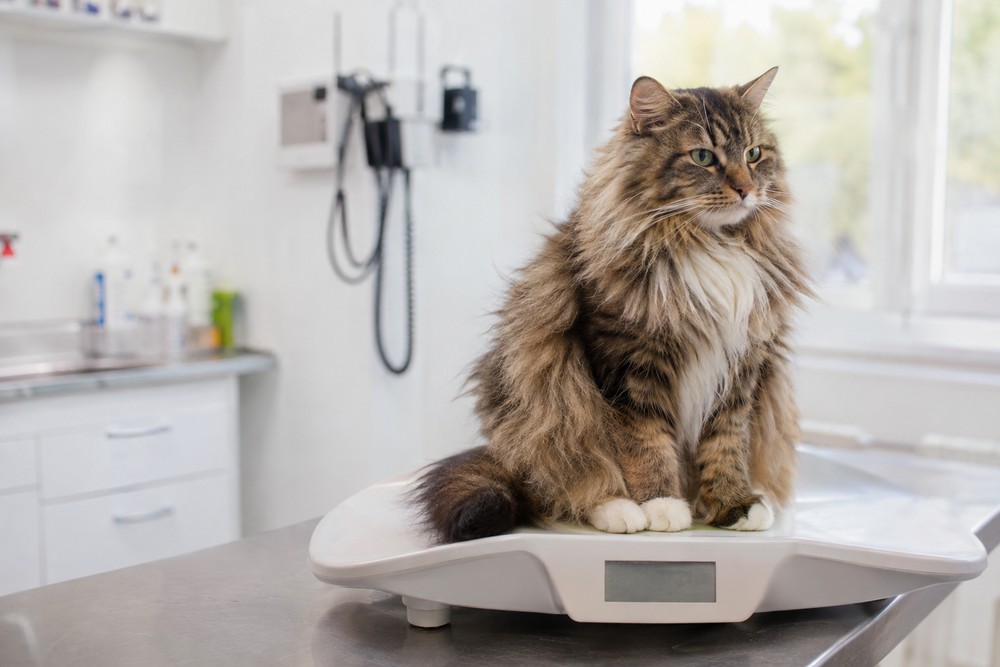
Start weighing and tracking. Weigh your cat regularly if you can do it safely at home, or ask for quick weight checks at your veterinary office. Write down appetite, water intake, vomiting, stool changes, and energy level. A short note like “eating slower for two weeks” can be more useful than trying to remember under stress.
Use your hands, not just your eyes. Run your hands gently over the ribs, spine, and hips every week or two. You are looking for change, not perfection. If the bones feel sharper than before, if the waist seems more pronounced under the coat, or if the hind end feels thinner, schedule an exam.
Book a cat wellness exam before symptoms pile up. If your cat is a senior, has a chronic condition, or has any unexplained weight change, do not wait for a dramatic decline. Early bloodwork, a dental check, and a physical exam can answer a lot quickly and may spare your cat from a much harder recovery later.
A fluffy coat hiding cat weight loss is more common than many owners expect, and the fix starts with noticing the pattern and acting on it. A routine veterinary visit can uncover what fur conceals, give you a clear plan, and replace uncertainty with facts. If your cat feels lighter, looks thinner under the coat, or just seems a little off, schedule a Cat Clinic appointment and get answers while the signs are still small.