There is a very specific type of terror that sets in when you realise you have just been exposed to something unseen and permanent. Your heart hammers against your ribs, and your mind immediately begins drafting catastrophic timelines. It is a stark, unvarnished moment of human frailty where the consequences of a single physical interaction threaten to rewrite the entire trajectory of your life.
You cannot undo the event, but biology grants you a fiercely narrow window to outrun the consequences. When the worst happens, seeking out an emergency intervention like hiv pep in Singapore offers a chemical emergency brake. It is not a gentle process, but it is a profoundly necessary one that stops a viral invader from permanently embedding itself into your immune architecture.
The Brutal Mathematics Of Time
When an exposure occurs, the clock does not tick; it slams. You have exactly seventy-two hours before the virus crosses the threshold from a manageable external threat to an irreversible internal condition. This is a hard, biological deadline.
A common, costly mistake is waiting a day to see if you feel different, or wasting forty-eight hours scouring internet forums for reassurance. Viruses do not care about your denial. Every hour you spend rationalising the risk allows the pathogen to duplicate and dig deeper into your lymphatic tissue, dramatically reducing the medication’s ability to hunt it down.
Understanding The Chemical Shock
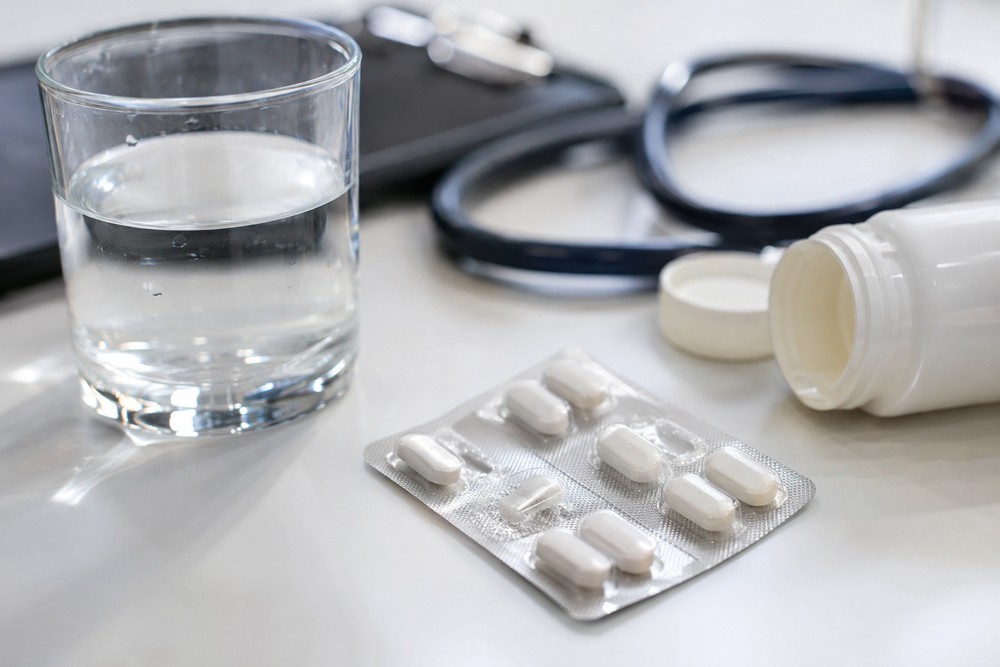
Swallowing emergency prophylaxis is not like taking an aspirin for a headache. You are ingesting a potent cocktail of antiretrovirals designed to violently disrupt cellular reproduction.
The non-obvious trade-off here is the severe physical toll of the rescue mission. Most medical guides gloss over the profound nausea, the overwhelming fatigue, and the strange, vivid dreams that accompany the twenty-eight-day course. You are essentially trading a month of intense gastrointestinal and psychological distress for a lifetime of biological freedom. It is a brutal bargain, but one you must make.
A Concrete Timeline Of Treatment
To survive the month without abandoning the medication, you need a precise map of the ordeal. Consider the actual timeline of a standard twenty-eight-day regimen.
- Days 1 to 3: The initial chemical shock causes sharp nausea and a metallic taste.
- Day 14: The physical side effects plateau, but the psychological exhaustion of the strict daily dosing schedule sets in.
- Day 28: You swallow the final pill, bruised but chemically clear.
- Day 90: You return for the final blood test that officially confirms the emergency intervention succeeded.
The Mechanics Of The Clinic Visit
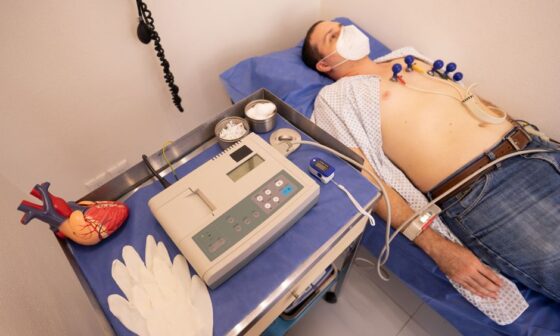
Walking into a medical centre to ask for emergency antivirals strips away every layer of your pride. You have to sit in a brightly lit room and narrate the exact mechanics of your worst mistake to a stranger holding a clipboard.
Yet, a good clinician listens without a shred of moral judgement. They are mechanics inspecting a broken engine. They will draw your blood to establish a baseline, check your liver function, and hand you the first dose right there in the office. They anchor your panic to hard, clinical protocols.
The Aftermath Of The Chemical Fire
When the twenty-eight days are over, the physical relief is immediate, but the psychological echoes linger. You have walked right up to the edge of an irreversible medical precipice and stepped back.
The ordeal forces a brutal reckoning with your own vulnerability. You do not leave the experience unchanged; you leave it with a stark, cold respect for the microscopic forces that govern our survival, and a profound gratitude for the blunt, heavy machinery of modern medicine.