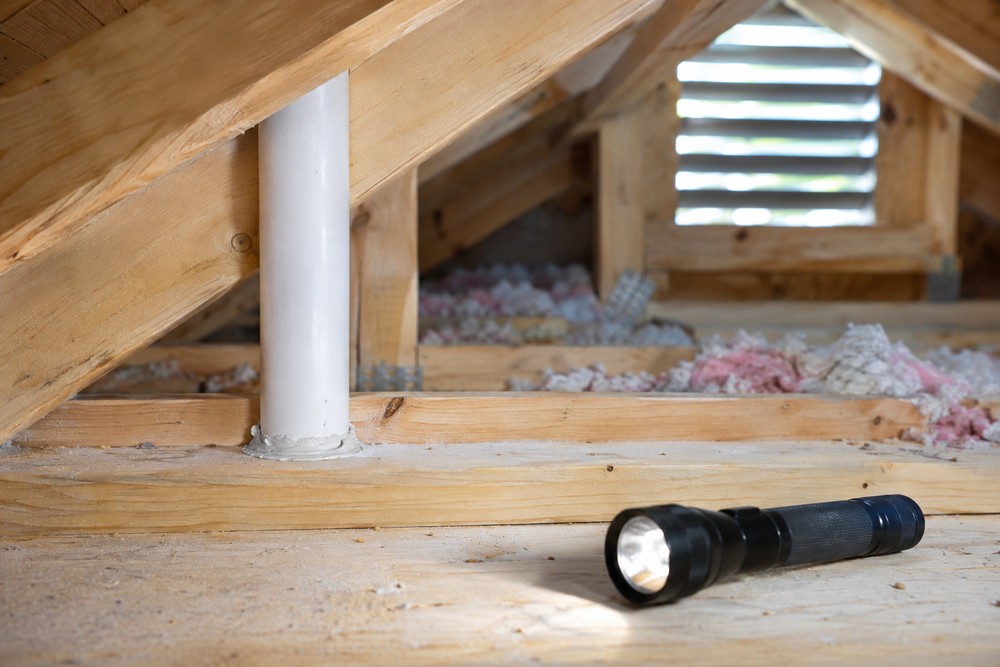
It’s 2:14 in the morning and something is sprinting back and forth in the space right over your bed. You’ve already told yourself it’s a squirrel. Odds are it isn’t.
Here’s the short answer most Lufkin homeowners want: call a licensed exterminator the moment you hear movement in walls or ceilings, see droppings in more than one room, or catch a rodent and still find fresh signs a week later. Those three signals mean a breeding population, not a stray visitor. A trap can take out one lone rodent. A whole family is a different job.
I’d push the timeline even earlier than that. If you live within a few blocks of the Angelina River bottom or any of the pine stands that ring town, you’re in prime rat and mouse country, and one sighting is enough for me. Rodents don’t wander into a house by accident. They follow a scent trail that a dozen others already used. Getting a professional out for an inspection before you’ve got a full-blown problem costs a lot less than waiting, and it’s the difference between a two-week fix and a season-long fight. If you want a crew that handles removal and sealing in one pass, Pest Control Lufkin is worth a call, and you should ask any company you hire whether exclusion is included or sold separately.
What Counts as a Real Rodent Problem in Lufkin
East Texas gives rodents everything they want: mild winters, plenty of cover, and old housing stock with gaps that were never sealed right. A rat doesn’t need a hole the size of a dinner plate. It needs a hole the size of a quarter, and most homes built before 1980 have twenty of those you’ve never noticed.
Watch for the boring stuff first. Droppings tucked into the corner behind the kitchen cabinets. Grease smears on wall corners where bodies rub past. A pet bowl that’s mysteriously empty by noon. A dog that barks at the baseboard for no reason you can see.
The one most people miss is sound timing. Mice and rats are crepuscular, meaning they move hardest around dawn and dusk. If you hear scratching at 6am and again at 8pm, that’s a resident. If you hear it once at midnight and never again, that’s probably a raccoon on the roof or a tree limb scraping the siding.
Why DIY Traps Stop Working
Snap traps work great on the first two or three rodents. Then the survivors get smart.
Rats are neophobic, which is a fancy way of saying they refuse to touch anything new in their surroundings for several days. Set a trap Monday, and the rat that watched its buddy die on Tuesday won’t go near it by Friday. Meanwhile the colony keeps growing in the wall cavity, and you’re buying more peanut butter.
Rodent control is also a sanitation job, not just a killing job. The urine, the droppings, the nesting material, the pheromone trails that tell the next generation where the good house is. A licensed technician handles the removal and the cleanup, and the cleanup is the part that actually keeps them from coming back. According to the IPM Centers, integrated pest management leans on exclusion and sanitation before chemical control, which is exactly the order most homeowners get backwards.
The Signs That Mean Stop and Call Today
Run this checklist. Two or more yes answers and you’re past the DIY stage.
- Droppings in two or more rooms, or in a kitchen drawer
- Gnaw marks on wiring, pipes, or food packaging
- Scratching or scurrying sounds in walls or the attic
- Nesting material (shredded paper, insulation, fabric) found in a corner
- You’ve caught rodents and still see fresh activity within seven days
- You live near a wooded lot, drainage ditch, or the river bottom
Wiring damage is the one I’d never sit on. Rodents chew constantly because their incisors never stop growing, and they don’t distinguish between a tree branch and the electrical wiring buried in your walls. That’s a fire risk, and it’s not one you want to gamble on while you wait to see if the traps work.
What a Licensed Exterminator Actually Does Differently
A licensed pro starts with an inspection, not a spray. They’ll walk the exterior, find the entry points, and tell you which ones matter. Then they’ll set a plan: exclusion first, trapping second, and monitoring after that.
The licensing piece isn’t just paperwork. Texas requires applicators to be certified, and that certification comes with training on rodenticide placement, secondary poisoning risk to pets and owls, and the rules around bait stations. A homeowner buying rat poison at the hardware store is working without any of that, and in a town where people let their dogs out back, that matters.
Exclusion is the part that pays for itself. Copper mesh in the weep holes, steel wool around pipe penetrations, door sweeps that actually touch the threshold. Sealing a house is unglamorous work, and it’s the only thing that turns a recurring problem into a one-time one.
How Fast Should You Expect Results
Most residential rodent jobs show a real drop in activity within two weeks, and full resolution in about a month once exclusion is done. If a company promises you a single visit and no follow-up, that’s a red flag. Rodents don’t work that way.
One more thing worth knowing: the global movement of goods keeps introducing new rodent pressures. A USDA review of solid wood packing material found that 0.2% of shipments carried pest risk serious enough to warrant regulation, which is why pallets and crates get inspected at ports and why warehouses around East Texas stay vigilant. It’s a reminder that rodent control is a moving target, not a one-time chore.
Don’t Wait for the Attic to Get Loud
The cheapest rodent problem is the one you catch in week one. The most expensive is the one you find when an electrician opens a wall and shows you chewed insulation and a nest the size of a laundry basket.
If you heard something above the ceiling this week, go check the back of the kitchen cabinets right now. Fresh droppings? Make the call. Your house is telling you something, and it’s not a squirrel.