The Character and the Challenge
Older apartment buildings carry a warmth that new construction rarely matches. They tell stories through worn banisters and sun-softened paint, through doorways that have greeted generations. That charm has a price. Time touches every system and surface, and without steady care small irritations become real failures. Managers who steward aging properties learn quickly that consistency is survival. The work is part watchful guardian, part patient craftsperson, and part air traffic controller. When the routine holds, tenants feel secure. When it slips, the building reminds everyone that it sets its own schedule.
Comfort at Stake: Aging HVAC and Mechanical Systems
Mechanical systems do the heavy lifting of daily life. In older buildings, heating and cooling equipment often runs on borrowed time. Efficiency slips while components wear and calibration drifts. Some units rely on parts that are no longer widely manufactured, which turns a simple repair into a scavenger hunt. Tenants notice discomfort right away. One room runs cool while another stays stuffy. Airflow feels weak. Vents rattle. Thermostats seem indecisive.
This is where specialized commercial HVAC service is essential. Technicians trained on legacy equipment can track subtle symptoms and prevent cascading failures. Weak airflow can flag a failing blower. Uneven temperatures may reveal duct leakage or zoning problems. Small refrigerant leaks often explain erratic cooling, and minor water in the mechanical room can hint at condensate issues. Routine inspections, filter changes, coil cleaning, and belt checks extend service life. Even better, they lower complaint volume and keep common spaces comfortable during seasonal temperature swings.
Plumbing That Never Sleeps
Water has a way of telling on a building. Old pipes develop scale and corrosion that constrict flow. Fixtures crack without warning. Joints drip invisibly behind a wall until a ceiling stain or a warped floor announces the problem. A slow drain rarely stays confined to one apartment. In many older properties, recurring clogs signal deeper blockages in stacked lines or the main.
These patterns need discipline. List-based walkthroughs spot little issues early. Look for discoloration around supply lines, soft drywall, bubbling paint, sink dampness, or persistent odors. Occasionally hot and cold cycling indicates valve aging, whereas low water pressure indicates accumulation. Maintenance crews may map concerns to risers and routes, identify recurrent problem sites, and plan multi-unit repairs by routinely logging observations. Maintenance and cleaning may seem regular, yet they reduce emergency and after-hours calls.
Power Demands in a Digital Age
Old electrical systems were not intended for modern life. Tenants now use laptops, gaming consoles, smart TVs, air purifiers, and chargers simultaneously. Unupgraded wiring and panels cause breakers to trip under loads inconceivable when the building opened. Outlets may be few or loose. Risky temporary fixes include octopus extension cords.
Methodical electrical reviews go beyond compliance. Keeps people protected. Check panels for heat and capacity deficits. Check outlets for grounding and replace wobbling or sparking ones. Find circuits with too many devices. Aluminum branch wiring and outdated fabric insulation in some buildings need professional repair. Kitchens and living areas with the most use are upgraded when possible. This investment avoids trips and cord overheating behind furniture.
Everyday Wear in Units and Common Spaces
Surfaces tell the truth about daily use. Hallway paint dulls, trim chips, and stair treads loosen. Doors swell and stick through seasons. Window seals lose their grip, inviting drafts and moisture. In apartments with frequent turnover, cabinet hinges strain and counters scar. Appliances soldier on past their prime and start to sound tired.
Small, regular repair days hold the line. Tighten hardware. Patch and paint with durable finishes matched to high traffic areas. Re-seat thresholds and adjust door closers. Reseal windows but also address framing if rot creeps in. These touchups seem simple, yet they shape how residents feel about their home. Care reflects back. When tenants see maintenance in motion, they report issues sooner and treat spaces with more respect.
Roofs and Exteriors: Silent Sources of Damage
From the sidewalk, a roof can look fine and still harbor trouble. Time wears on membranes, flashing, and seams. Minor cracks let water travel in unpredictable paths, and by the time a stain appears inside, the leak has already wandered. Gutters clog and push water toward foundations. Siding fades and traps moisture behind compromised caulking.
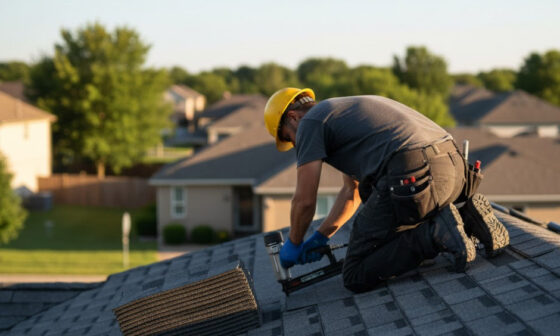
Proactive exterior work prevents expensive surprises. Twice-yearly roof checks catch loose fasteners, blistering, and soft spots that foretell leaks. After storms, walk the perimeter. Look for displaced shingles, standing water near downspouts, and deteriorated sealant around penetrations. On facades, pay attention to paint failure and hairline cracks that invite moisture intrusion. Drainage around the property matters just as much. Redirecting water away from the building keeps basements dry and preserves structural elements that do not announce their vulnerabilities until damage is advanced.
Compliance That Moves Faster Than Buildings
Safety standards evolve, and older buildings must evolve with them. Fire alarm systems age out and require updates. Emergency lighting fails quietly and needs regular testing. Ventilation standards change, especially in high-occupancy spaces. Elevators demand inspections that keep them reliable, while older boilers face more frequent scrutiny.
A yearly code and safety review gives structure to all of this. Map required inspections. Verify test logs. Audit life safety devices floor by floor. Plan the upgrades needed to meet current requirements rather than patching the minimum. Taken together, these steps protect residents and shield owners from penalties. More importantly, they establish a rhythm that integrates safety into daily operations.
Costs That Climb and Budgets That Flex
Maintenance costs rise as buildings age. Components fail more often, and specialty parts for legacy systems command premiums. Some needs cannot be delayed, like roof replacement or riser repairs. Without a financial plan, urgent issues can stall or force corner cutting that costs more later.
Flexible budgeting makes the difference. Build a reserve for reactive work alongside a schedule for capital projects. Track spending by system so trends are visible. When one category spikes, you can forecast future needs and adjust other timelines. Vendor relationships help too. Service agreements stabilize pricing and provide priority response. Transparent communication with owners about realistic lifecycles prevents sticker shock when a repair crosses the line into replacement.
Building a Proactive Routine
The best maintenance program feels like a heartbeat. Inspections follow a calendar and adapt to seasons. Work orders move through a clear process. Technicians know the building’s quirks, and vendors understand the property’s constraints. Tenants have a simple way to report issues, and management responds with timelines that set expectations.
Start with a master schedule that touches HVAC, plumbing, electrical, life safety, and exterior care. Layer in frequent walkthroughs of common areas. Keep records tight so patterns stand out. Embrace early warnings. A faint noise becomes a diagnosis. A small stain triggers a trace. When maintenance anticipates rather than reacts, older buildings show their best selves.
FAQ
What are the earliest signs that an HVAC system in an older building is struggling?
Subtle temperature swings across rooms often appear first, followed by reduced airflow at vents. You might notice longer run times without reaching set points, higher utility bills that do not match weather shifts, or condensate around equipment. Strange vibrations or rattling indicate worn belts or fans, while musty smells can mean dirty coils or duct issues.
How often should plumbing lines and fixtures be inspected in vintage properties?
Monthly walkthroughs for conspicuous fixtures and quarterly shared line and mechanical space checks are advisable. Schedule drain cleaning and targeted inspections of vulnerable locations in buildings with a history of leaks or blockages. Check apartments following an issue to make sure illnesses haven’t spread.
What electrical upgrades most effectively reduce nuisance breaker trips?
Increasing panel capacity where feasible and redistributing circuits to balance loads helps significantly. Replacing worn outlets, adding grounded receptacles in high-use areas, and addressing loose connections reduce heat and arcing. In some cases, upgrading old wiring and installing modern protective devices improves reliability and safety across entire floors.
How frequently should roofs and exterior systems be evaluated?
Plan two comprehensive roof inspections each year and add checks after severe weather. Walk exteriors seasonally to assess paint, sealants, siding, and drainage. Clean gutters regularly, verify downspout extensions, and inspect foundation areas for pooling water. Early attention to small defects prevents widespread water intrusion.
What steps help older buildings stay aligned with current safety and compliance standards?
Maintain a calendar of required inspections and tests, document results, and act promptly on deficiencies. Review fire alarm coverage and emergency lighting performance annually. Confirm ventilation effectiveness in common areas, and keep elevator and boiler service up to date. Where code changes apply, set upgrade timelines rather than relying on temporary fixes.
How can property managers plan for rising maintenance costs without derailing operations?
Develop a reserve fund dedicated to unexpected repairs and a capital plan for predictable replacements. Track expenditures by system to identify patterns and forecast upcoming needs. Use service contracts to stabilize pricing and response times, and communicate clearly with owners about lifecycle realities so major projects receive timely approval.