Oak’s Enduring Appeal in Building and Design
Oak has long stood as a hallmark of reliable construction and expressive design. Its dense structure supports ambitious spans, while its grain tells a quiet story of time and growth. Designers reach for oak when they want a material that works as hard as it looks. From structural frames to visible interior elements, oak adapts gracefully. With careful preparation and finishing, its performance suits rustic restorations and crisply modern settings alike. In the hands of skilled timber specialists, oak arrives ready to shape into frameworks, floors, and details that last.
Sawn Oak Beams: Honest Grain and Heritage Character
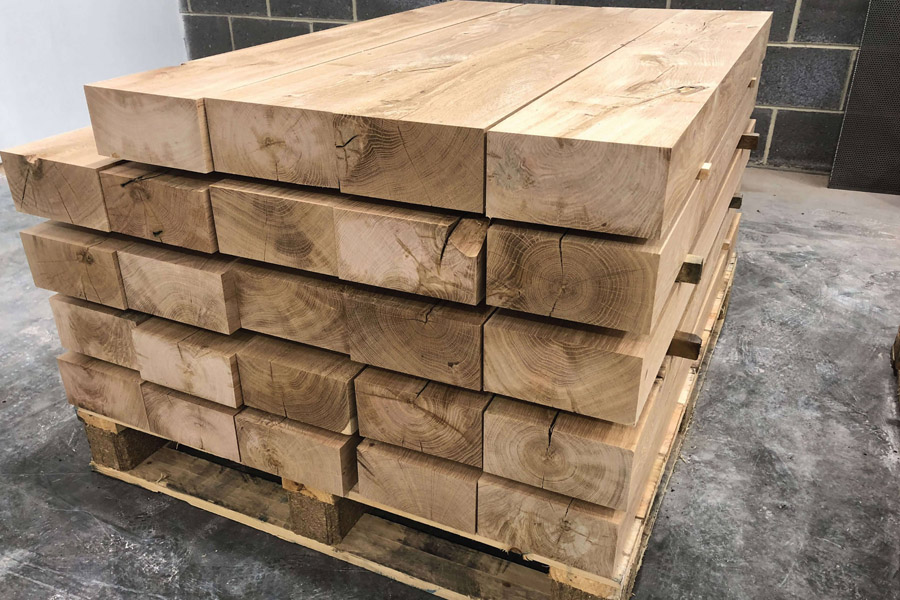
Sawn beams present oak in a direct, unadorned state. Cut from the log with minimal further processing, they retain the lively texture of the saw and the sweeping patterns of the grain. This is oak at its most candid. Craftspeople who restore period properties and reimagine barns often favor sawn beams for their authenticity and tactile appeal. Knots, subtle checks, and seasonal variation become part of the visual language rather than flaws to conceal.
Sawn beams are approachable during installation. With solid carpentry skills and standard tools, installers can fine-tune dimensions on site. Adjustments to shoulders and housings happen efficiently, allowing a bespoke fit. Because each piece carries natural quirks, no two beams finish exactly alike. That individuality creates depth and presence, like a well-worn leather bound book that feels personal in the hand.
Planed Oak Planks: Smooth Lines for Modern and Classic Spaces
Planed oak steps into more refined territory. Specialists machine the boards to consistent thickness and surface flatness, softening the roughness while amplifying the figure of the grain. Light passes from a plane reveal cathedrals, medullary rays, and quiet flecks with clarity. The smoother finish suits interiors where touch matters as much as sight.
This preparation benefits flooring, wall paneling, stair parts, and furniture components. Uniformity improves alignment and speeds fitting, reducing the small frustrations that accumulate in detailed work. By removing high spots and stress concentrations, planing can help stabilize the timber and lessen the tendency for uneven movement. Builders who prize fine detailing appreciate how planed oak holds crisp edges and accepts finishes evenly, creating a unified look across large surfaces.
Pre-Drilled Oak Components: Precision Made Easy
Pre-drilled beams and posts arrive with holes positioned for bolts, dowels, or threaded rods. This is practical precision. The layout is calculated in controlled conditions, then executed with machinery that keeps tolerances tight. On site, the pieces align quickly, reducing setup time and the margin for human error. The risk of splitting near connections drops when holes are sized and placed correctly ahead of time.
For frames, pergolas, porches, and decorative structures, pre-drilled elements act like numbered puzzle pieces. Assemblers move from part to part without hunting for centerlines or coaxing drills through dense fibers at awkward angles. The result is a cleaner build sequence and joints that register squarely, which supports both stability and visual cohesion in load-bearing applications.
Pre-Jointed Oak Frames: Traditional Joinery with Modern Control
Pre-jointed parts combine old-world craftsmanship with modern accuracy. Specialized sawmills cut scarf joints, mortise and tenon, and shouldered housings with guided tooling. To make site fitting easy, each joint is proportioned to the mating piece. The design protects mechanical strength and showcases exposed timberwork.
This approach suits timber frame homes, garden buildings, and covered outdoor spaces where the skeleton of the structure is part of the aesthetic. Pre-jointed sections limit waste and shorten installation because adjustments are minimized. The fit is repeatable, the shoulders sit tight, and the load paths work as intended. In the finished assembly, the joints stand visible like well choreographed steps, elegant yet robust.
Reclaimed and Air-Dried Oak: Patina and Patience
Reclaimed oak brings environment-minded value and visual depth to contemporary projects. Pulled from earlier constructions and prepared for reuse, it carries a patina earned through years of service. Weathering, mellow tones, and tool marks narrate its past, adding character to new spaces without sacrificing integrity. Designers lean on this material when the brief calls for authenticity and sustainability.
Air-dried oak follows a slow arc from green to stable. Stacked and seasoned with time, it sheds moisture gradually. This measured process reduces internal stress and helps the fibers settle. Air-dried pieces often move less than fresh-cut timber once installed, while retaining the natural feel of oak that some find more expressive than kiln dried alternatives. In both reclaimed and air-dried options, the appearance evolves gracefully. Like a fine canvas gently deepening in hue, the timber matures, enriching frames, floors, and facades.
Selecting a Kit and Preparing for Installation
An oak beam kit assembled by specialists can include sawn beams, planed planks, pre-drilled components, and pre-jointed frames in combinations tailored to the build. The advantage lies in coherence. Dimensions relate logically, hole positions match, and jointing sequences are mapped. Site crews move from layout to assembly with fewer pauses and fewer surprises.
Before installation, consider moisture content, acclimation, and the interface between oak and other materials. Dense hardwood rewards sharp tools and accurate marking. Thoughtful detailing around fixings and connectors prevents unwanted stresses at edges and ends. Where oak meets masonry or steel, allow for the timber’s natural movement and provide drainage or airflow to control moisture. Finishes should be chosen to support the intended look and performance, whether that is a matte oil that highlights grain or a protective coat built for exposure. When the parts arrive aligned and ready, construction feels like a well rehearsed performance.
FAQ
What is the practical difference between sawn and planed oak?
Sawn oak retains a raw, textured surface with visible saw marks and lively grain. It suits projects that celebrate heritage character and hands-on adjustments on site. Planed oak is smoothed to consistent thickness and flatness, highlighting the grain with clarity and improving tactile comfort. It fits applications where uniformity, crisp detailing, and a refined finish are priorities.
Are pre-drilled beams suitable for load-bearing structures?
Yes. When holes are positioned and sized by specialists, pre-drilled beams support reliable connections for bolts or dowels. Accurate hole layout improves alignment, protects fibers around fasteners, and reduces splitting risk. The outcome is quicker assembly and joints that maintain structural integrity under load.
When do pre-jointed frames make the most sense?
Pre-jointed frames are ideal when speed, repeatability, and exposed joinery matter. Timber frame homes, porches, and outdoor buildings benefit from controlled joint geometry and tight shoulders. With joints cut to fit, site work focuses on assembly rather than extensive trimming, which shortens build time and reduces waste.
How does air-dried oak compare to kiln dried in performance and appearance?
Air-dried oak gradually loses moisture, reducing internal stress and settling before installation. Its natural feel and expressive grain are common. Kiln-dried parts attain target moisture content faster and can improve application predictability. Both are durable; air-dried has a conventional look and feel, while kiln-dried emphasizes consistency.
Why choose reclaimed oak for new construction?
Reclaimed oak adds sustainability and narrative. It reuses existing material, lowering the demand for freshly milled timber, and arrives with patina, tone variation, and subtle textures that evoke age and craftsmanship. In modern settings, those qualities create contrast and depth without compromising durability when the wood is properly inspected and prepared.
Can sawn beams be finished on site without specialized equipment?
Yes. Sawn beams respond well to standard carpentry tools. Installers can trim shoulders, true faces, and apply finishes using common equipment. The surface can be refined where needed while preserving the rustic character that makes sawn oak distinctive.
Do planed planks help minimize warping over time?
Planing evens thickness and removes high spots, which can help the timber behave more predictably. While all wood responds to its environment, planed planks often show improved stability and maintain a consistent surface, particularly when combined with appropriate acclimation and finishing.
What maintenance do oak structures typically require?
Maintenance depends on exposure and finish. Interior oak often needs little more than periodic dusting and occasional reapplication of oil or wax to refresh luster. Exterior elements benefit from protective finishes and inspections that check for trapped moisture, UV wear, and hardware condition. Keeping water off the wood and allowing ventilation helps preserve appearance and performance over the long term.