Turning imagination into video has always required time, tools, and technical skill. Today, you can move from an idea in your head to a cinematic visual faster than ever, thanks to advances in AI-driven video generation. At the center of this shift is Kling 3.0, an AI video generator built to help you create visually rich, story-driven clips that feel intentional rather than automated. With support for cinematic motion, synchronized audio, and scene consistency, it opens new possibilities for how you translate concepts into moving images.
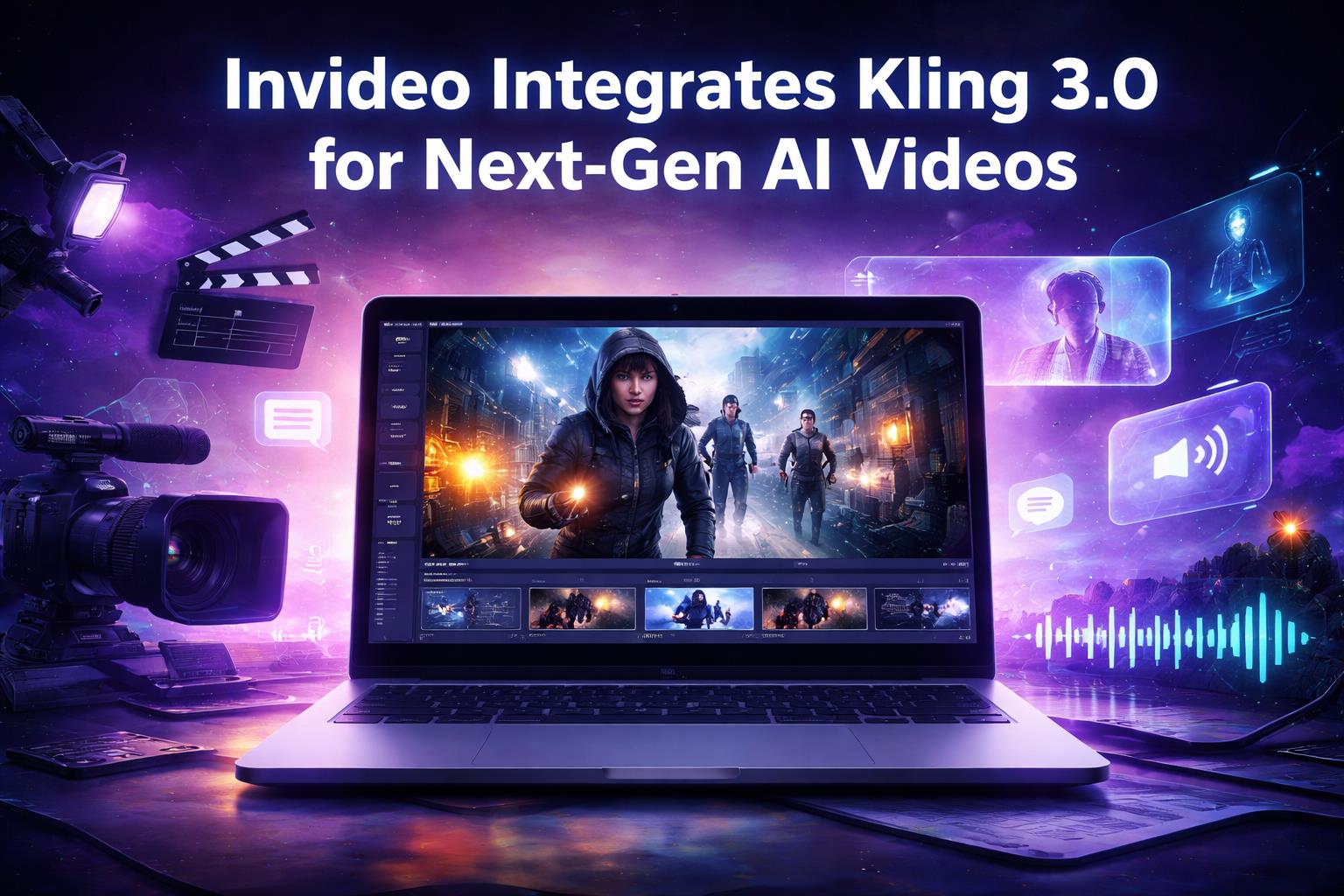
This evolution becomes even more meaningful when these capabilities are made accessible inside a broader creative ecosystem. That is where Invideo steps in. By integrating this new generation of video intelligence into its expansive AI platform, invideo demonstrates how advanced models can fit naturally into real workflows. The result is a more practical, user-first way for you to create videos that feel polished, expressive, and ready for modern digital use cases.
Why advanced AI video creation matters now
Video has become the default language of the internet. From performance marketing campaigns and social media ads to educational explainers and internal training, you rely on video to communicate ideas quickly and clearly. At the same time, expectations have risen. Viewers now expect smooth motion, clear audio, and visual continuity, even from short-form content.
Traditional production methods can slow you down, while early AI tools often struggled with realism or control. Newer generation models address this gap by focusing on storytelling, consistency, and creative direction. This shift is less about replacing creators and more about giving you leverage, letting you do more without expanding budgets or timelines.
Kling AI arrives inside Invideo’s ecosystem
When you work inside invideo, you already have access to a platform designed to simplify video creation across marketing, web design, and content strategy. The integration of Kling 3.0 into invideo’s AI workflow reflects a broader trend: advanced AI models becoming usable for everyday creators, not just specialists. Within invideo, Kling 3.0 connects directly to generation flows that support ads, brand stories, and explainers, while also aligning with an AI video generator app that prioritizes speed without sacrificing control.
This integration means you can access cutting-edge video generation directly on invideo, using familiar inputs such as text, images, or references, while benefiting from up to 15-second cinematic outputs with native audio and voice support. The model’s features are designed to work in context, not in isolation, which makes them easier to apply to real projects.
Creating cinematic videos with intelligent direction
One of the most notable advances in the latest Kling video model is its focus on cinematic structure. Instead of generating a single static clip, the system understands how scenes connect.
- Multi-shot generation with AI director logic allows you to input a script and receive a complete sequence with automatic camera control. You no longer need to manually stitch scenes together.
- Omni native audio enables character-driven dialogue with accurate lip sync, supporting multiple languages, dialects, and accents while maintaining speaker clarity.
- Extended clip length supports videos from 3 to 15 seconds, making it easier to tell a full story in one generation rather than relying on abrupt cuts.
These features are particularly useful when you are producing ads, social clips, or narrative content that must feel cohesive in a short time window.
Visual consistency and storyboard flexibility
Consistency is often where AI video tools fall short. The newer Kling video engine addresses this through character and scene locking. You can maintain the same characters and key elements across shots, even when the camera moves. This matters for brand storytelling, where visual continuity reinforces recognition and trust.
Storyboard control is another area where flexibility stands out. You can generate video from text prompts, images, reference visuals, or even existing video inputs. Scenes can be modified, expanded, or simplified without restarting the process. Native-level text rendering further ensures that overlays, subtitles, and e-commerce visuals remain clear and structured, which is critical for marketing and instructional content.
How the new version compares to earlier releases
Compared to the earlier Kling Video 2.6 model, the current generation shows clear progress in motion stability, visual realism, and prompt adherence. Frame transitions feel smoother, characters maintain their appearance more reliably, and camera movements appear intentional rather than random. These improvements make the tool more suitable for professional use, including client-facing marketing assets or educational materials.
For you, this means fewer regeneration cycles and more confidence that the output will match your intent.
Omni features for production-ready output
The Omni variants introduce tools aimed at creators who need precision:
- Omni Reference 3.0 improves subject similarity and instruction following, producing more stable, predictable results.
- Character Element 3.0 lets you create expressive characters from short video clips, preserving appearance, motion, and voice tone.
- Multi-image and audio elements allow you to add voice and emotion using short audio clips, achieving precise lip sync and emotional cues.
These capabilities are especially relevant for branded campaigns, explainer videos, and character-driven storytelling.
Designed for a wide range of creators
The significance of this integration goes beyond technical improvements. By making advanced AI video models accessible through invideo, you gain tools that adapt to different roles and goals. Marketers can create performance-driven ads without long production cycles. Freelancers and agencies can prototype concepts quickly for clients. Small businesses and local brands can produce professional visuals without hiring large teams.
Storytellers benefit too. Teachers, course creators, faceless channel operators, and filmmakers can turn scripts and lesson plans into engaging visual narratives. Even experimental creators, those exploring music videos, event invites, or UGC-style ads, can test ideas rapidly and refine them based on feedback.
A practical step forward in AI video creation
AI models on the invideo platform continue to expand, supporting use cases from brand stories and explainers to clips for agents, models, and creators with ambitious ideas. The availability of Kling 3.0 inside invideo illustrates how advanced video generation can move from novelty to everyday utility. Longer clip lengths, better control over style and motion, and seamless audio integration help scenes play out naturally, making it easier for you to tell complete stories in a single generation.
As AI-driven video creation becomes more embedded in marketing, web design, and digital communication, integrations like this set a clear direction. They show how powerful technology can remain approachable, flexible, and focused on real creative needs, helping you move from imagination to impact with fewer barriers along the way.