Businesses and households can use propane for heating, cooking, generators, or fleet operations. Reliable delivery services provide a steady supply, even during peak demand, and they allow users to focus on other operations rather than fuel logistics. Discussing delivery schedules, tank maintenance, and usage needs helps prevent service interruptions and misunderstandings. Here are some questions to ask a propane supplier:
What Delivery Options Are Available?
When customers sign up with a propane supplier, they can choose between automatic delivery and call‑in delivery. With automatic delivery, the supplier monitors usage and schedules refills based on factors such as temperature, past consumption, and tank size. Customers do not need to watch tank levels under this program, and deliveries occur before fuel runs low.
Call‑in delivery requires the customer to check their tank gauge and contact the supplier when the level approaches a designated refill point. This option gives individuals increased control over their deliveries. Once the supplier receives a call‑in request, a delivery is scheduled. Delivery windows may vary by region and route density, but customers are typically given estimated timeframes. When signing up, customers should provide any required delivery details, such as morning or afternoon access instructions for the driver. Providers use this information to avoid blocked driveways or gated entries.
Automatic delivery services can reduce the likelihood of service interruptions due to low fuel. Call‑in delivery depends on the customer’s vigilance in monitoring tank levels, as suppliers do not deliver fuel before it’s requested. Delivery services are available for residential, commercial, and agricultural accounts. In commercial and agricultural settings, delayed fuel deliveries may disrupt business operations, making it key to have clear and consistent communication about scheduling.
How Are Propane Tanks Installed?
Customers do not perform tank installations themselves; reputable suppliers employ trained technicians who follow established propane handling and safety inspection procedures. Technicians assess the site to verify proper clearance, ground stability, and access for delivery vehicles before starting. They place the tank on stable supports, such as concrete blocks, and install regulators as needed. The team also runs gas lines either above or below ground in accordance with local safety and building codes.
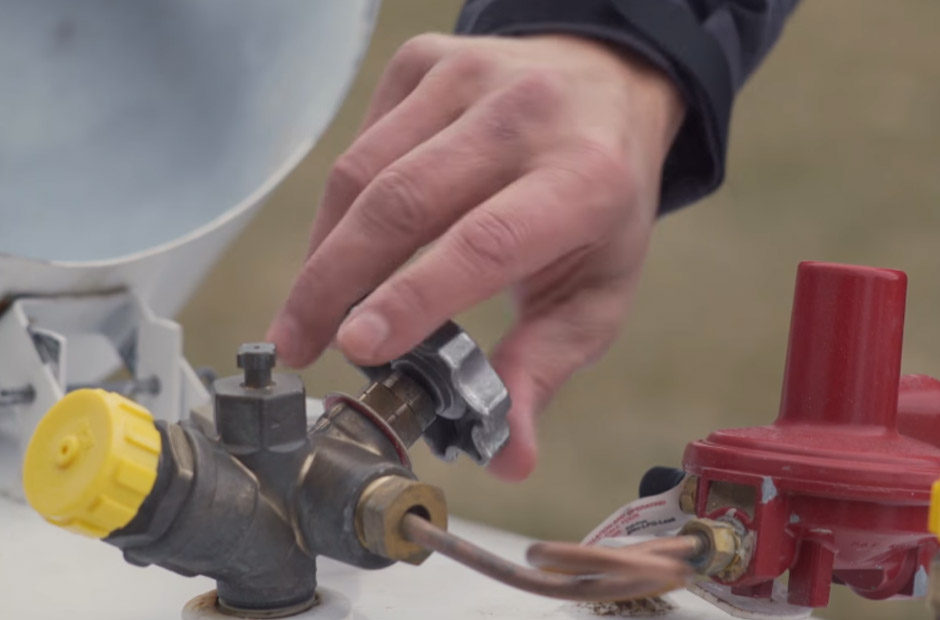
Once the installation is complete, technicians test all connections to make sure the system functions properly and is free of leaks. They conduct a full safety check, confirming that the tank and associated piping meet regulatory standards. If a new tank installation or relocation requires permits, the supplier can handle the submission and obtain all necessary approvals from local authorities. Once installed, the supplier fills the tank to a safe level, and they verify that all regulators and valves work properly.
How Do I Request Service or Maintenance?
Support staff can schedule propane deliveries, manage tank maintenance inquiries, and update account details, such as contact information or delivery preferences. Ask about typical response times for urgent service requests, such as equipment malfunctions, and determine whether emergency support is available outside standard business hours. Understanding maintenance schedules, inspection recommendations, and routine tank checkups may help prevent problems before they occur.
How Do I Manage Delivery Preferences?
Some propane suppliers provide online account portals that allow customers to manage fuel deliveries and update personal information. These platforms make it easy to securely view account details and propane preferences. Users may also update delivery instructions, such as gate codes or property access information, to promote smooth and accurate service.
Customers enrolled in automatic delivery are able to view scheduled refills and monitor account activity to stay informed about their propane supply. For commercial and agricultural operations, account tools make it easier to manage multiple service locations through a single login. Business owners and property managers can track deliveries and review account details across sites without needing to maintain separate accounts.
Partner With a Propane Supplier
Contacting a propane supplier allows you to review your delivery options and learn about the available support services. Clarifying these details helps tailor the service to your home, business, or agricultural operation. You can also make sure the technicians inspect tanks and piping as part of their services; this helps confirm that the equipment functions properly and maintains efficient propane flow. Contact a propane supplier today to set up service and confirm your preferences.