Industrial equipment rarely fails without warning. Most failures begin as tiny defects that grow slowly over time. A small crack, a weak weld, or microscopic corrosion inside metal components can gradually expand until the part can no longer handle normal stress.
The challenge is that many of these problems are invisible during routine inspections. A machine may appear perfectly fine on the outside while hidden weaknesses are developing internally. That is why engineers rely on specialised inspection techniques to detect problems early, before they lead to costly breakdowns or safety risks.
One of the most common methods used in industry is mpi testing, a process that helps engineers identify surface and near-surface defects in metal components. By revealing cracks that are otherwise impossible to see with the naked eye, this approach allows maintenance teams to act long before equipment reaches a dangerous failure point.
Why Hidden Defects Are So Dangerous
When a piece of machinery fails suddenly, it often surprises operators. However, engineers know that most failures follow a predictable pattern.
Small defects usually begin with:
- Stress from repeated use
- Manufacturing imperfections
- Poor weld quality
- Corrosion or environmental damage
- Excessive vibration
Over time, these tiny flaws grow larger. Eventually, they reach a point where the component can no longer handle normal operating loads.
The result can be anything from reduced performance to complete structural failure. In industries such as manufacturing, construction, energy, and transportation, these failures can shut down entire operations or create serious safety hazards.
Detecting defects early is therefore one of the most important responsibilities in equipment maintenance.
The Role of Non-Destructive Testing
To identify hidden issues without damaging equipment, engineers use a group of techniques known as non-destructive testing, often shortened to NDT.
These inspection methods allow technicians to examine materials, welds, and components while keeping them fully functional. Instead of cutting or dismantling parts, NDT uses physical principles such as magnetism, sound waves, or radiation to reveal what lies beneath the surface.
Common non-destructive testing techniques include:
- Magnetic particle inspection
- Ultrasonic testing
- Dye penetrant inspection
- Radiographic testing (X-ray imaging)
- Eddy current testing
Each method is designed to detect specific types of flaws. The choice depends on factors such as the material type, component shape, and the type of defect engineers are trying to find.
How Magnetic Particle Inspection Works
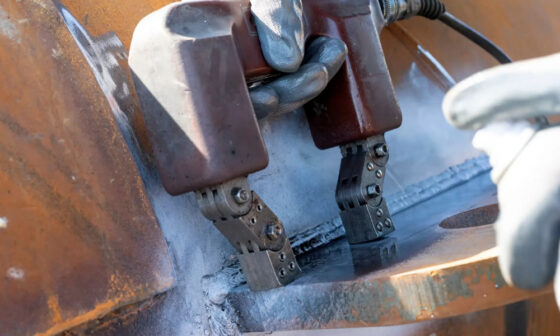
Magnetic particle inspection is widely used for detecting cracks in ferromagnetic metals such as iron and steel. The method works by magnetising the component being inspected.
When a magnetic field flows through a piece of metal, it travels smoothly through solid material. However, if a crack or discontinuity is present, the magnetic field becomes distorted.
Technicians then apply fine magnetic particles to the surface of the component. These particles gather around areas where the magnetic field leaks from the metal, highlighting the exact location of a defect.
This process allows inspectors to quickly identify problems that would otherwise remain invisible.
What Makes This Method So Effective
Magnetic particle inspection is particularly valuable because it offers several practical advantages:
- Fast results – Inspections can often be completed within minutes
- High sensitivity – Even very small cracks can be detected
- Minimal equipment downtime – Components rarely need to be removed from service for long
- Clear visual results – Defects are easy to see once particles collect around them
Because of these benefits, the technique is frequently used to inspect welds, structural components, pipelines, and heavy machinery parts.
Where These Inspections Are Used
Hidden structural defects can occur in many types of equipment. Engineers rely on inspection methods across a wide range of industries.
Some common examples include:
Manufacturing Equipment
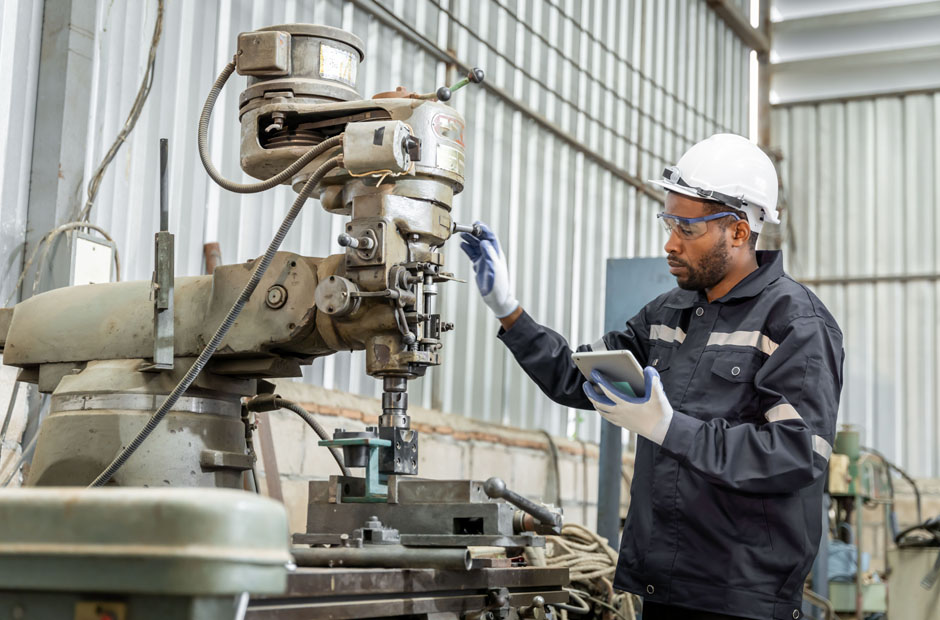
Rotating components such as shafts, gears, and bearings experience constant stress during operation. Regular inspections help detect fatigue cracks before they grow large enough to cause mechanical failure.
Construction and Infrastructure
Steel beams, bridge components, and structural welds must remain reliable under heavy loads. Detecting weaknesses early helps engineers maintain structural safety and avoid catastrophic failures.
Energy and Power Generation
Power plants rely on turbines, pressure vessels, and pipelines that operate under extreme conditions. Even minor cracks can grow rapidly if left unchecked.
Routine inspections help ensure that these systems continue to operate safely and efficiently.
Transportation Systems
Aircraft components, railway equipment, and heavy transport vehicles all require regular inspection. Early detection of defects prevents mechanical issues that could compromise safety.
Early Detection Saves Time and Money
Preventive maintenance may seem like an additional expense, but it often saves organisations significant money in the long run.
When defects are caught early, companies can:
- Repair or replace components before failure
- Schedule maintenance during planned downtime
- Avoid emergency shutdowns
- Reduce safety risks for workers
- Extend the life of expensive equipment
Unexpected failures, on the other hand, can lead to costly repairs, operational delays, and potential legal or safety consequences.
From an engineering perspective, early detection is one of the most powerful tools available for protecting both equipment and people.
Building a Culture of Proactive Maintenance
Technology alone cannot prevent equipment failure. Successful inspection programmes depend on consistent procedures and well-trained personnel.
Organisations that manage equipment effectively usually focus on a few key practices:
- Scheduling regular inspections instead of reacting to problems
- Training technicians to recognise early warning signs
- Keeping accurate maintenance records
- Using the right inspection method for each material and component
These habits create a proactive approach to maintenance rather than a reactive one.
Over time, this mindset reduces unexpected failures and improves overall operational reliability.
Industrial equipment will always face stress, wear, and environmental challenges. What determines whether a small defect becomes a major failure is how quickly it is detected and addressed.
By combining smart inspection techniques with disciplined maintenance practices, engineers can uncover hidden weaknesses long before they turn into serious problems.